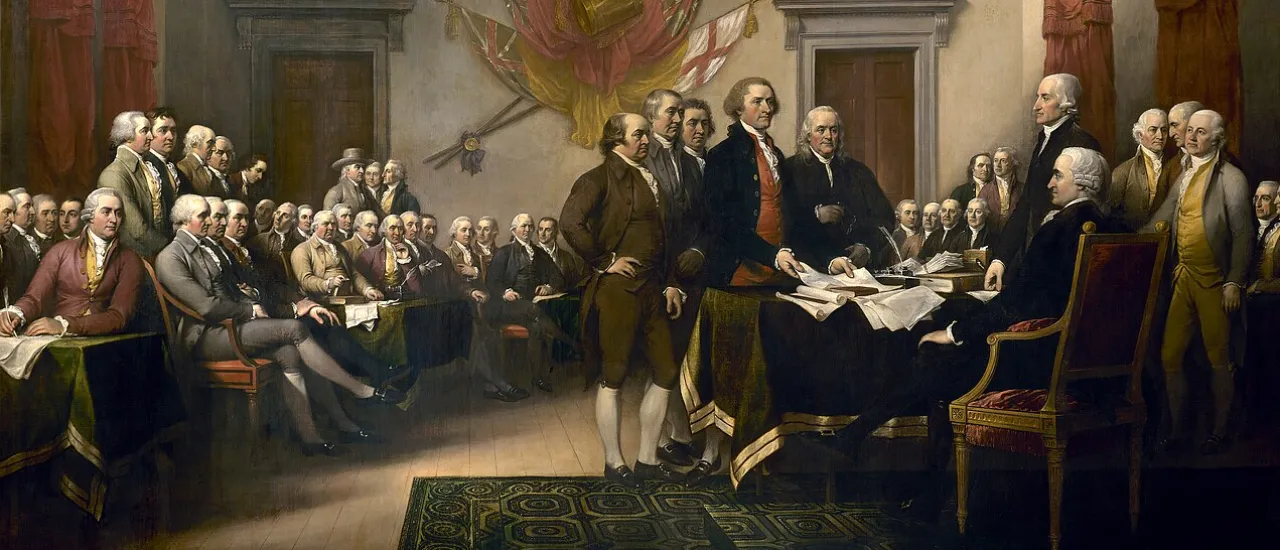
John Trumbull's painting, Declaration of Independence, depicts the moment on June 28, 1776, when the first draft of the Declaration of Independence was presented to the Second Continental Congress.
Reel to Real: 1776
The Real History Behind the Hit Musical
Learn all about real history that inspired the musical and plan your own road trip to explore the people, events, and battlefields of 1776!
Learn the real history behind the hit musical 1776 as the curtain rises on America’s 250th!
To commemorate 250 years since the signing of the Declaration of Independence, theaters around the country are bringing the nation’s founding to life with productions of the award-winning musical 1776! But how well do you know the real story behind the musical?
This is your one-stop guide to the real history behind the music.
Explore the cast of characters, key events and, of course, battles of the American Revolution that inspired the musical. Whether you’re enjoying a front row seat at Ford’s Theatre, watching from the couch, or belting the soundtrack during your own revolutionary road trip, here’s everything you need to know about the real history of 1776.
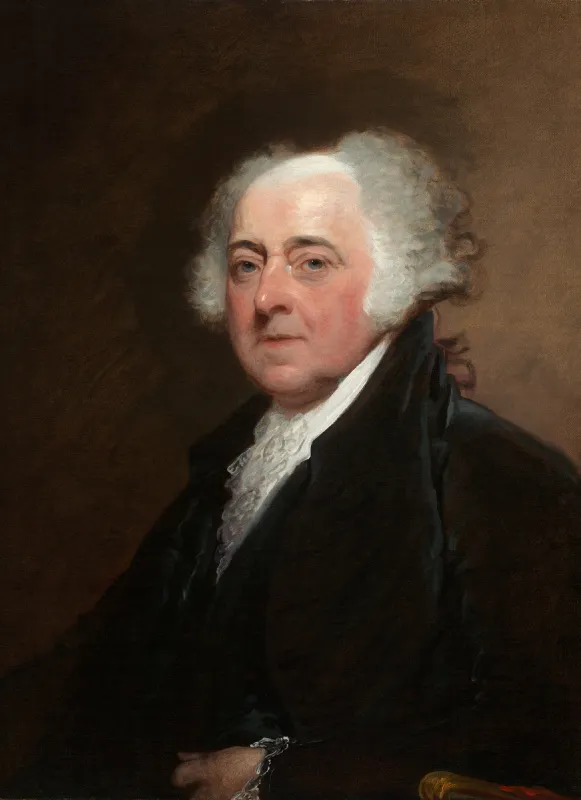
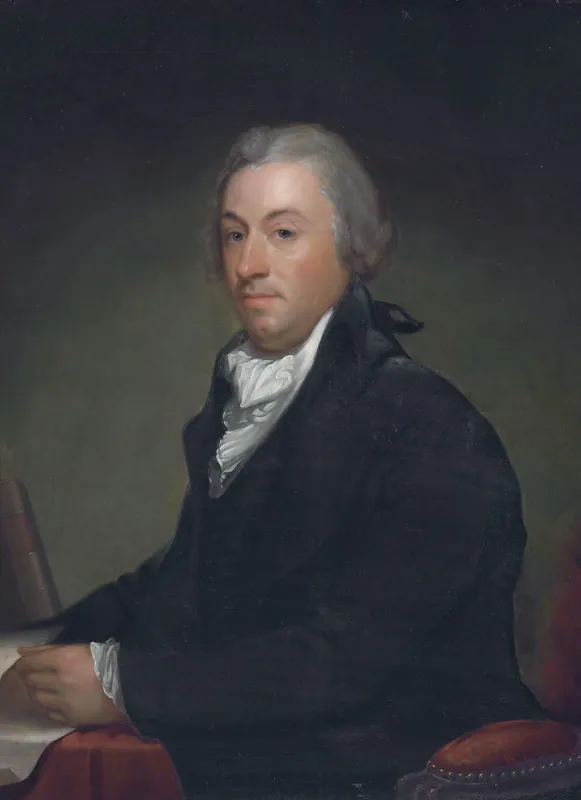
Meet the Characters
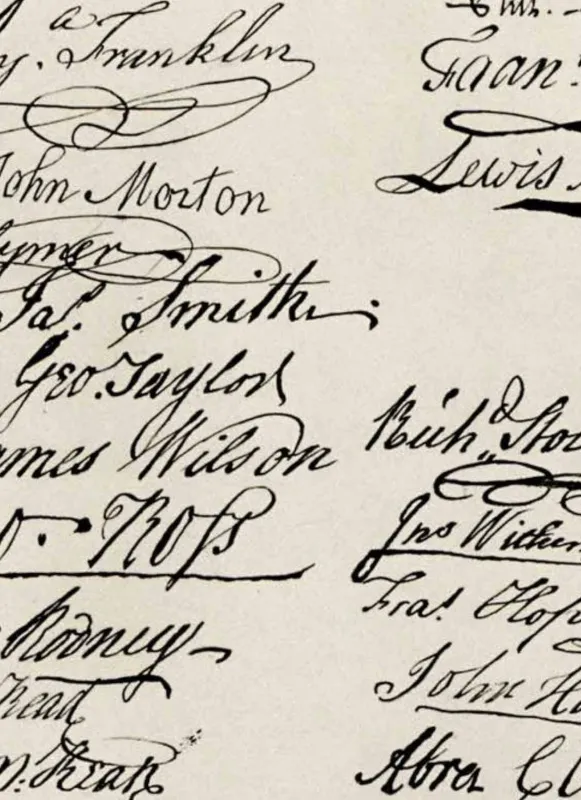
The musical 1776 introduces some of the 56 delegates to the Second Continental Congress who met in Philadelphia to consider their relationship with Great Britain. The musical primarily focuses on the Committee of Five delegates who were responsible for drafting a Declaration of Independence, while also introducing the rest of the delegates as they debate for--or against--American independence.
The Committee of Five:
- John Adams – The "obnoxious and disliked" delegate from Massachusetts became the nation's second president.
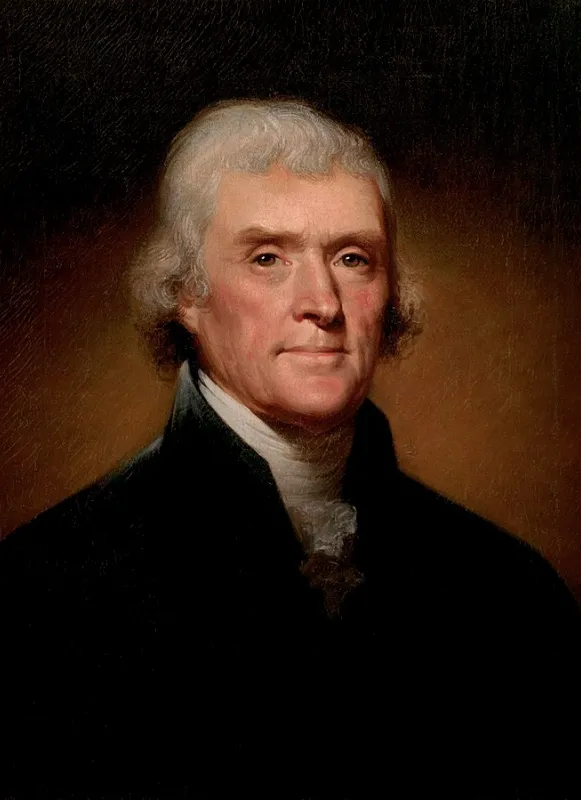
- Thomas Jefferson– The Virginian at the "heart" of the musical, main author of the Declaration of Independence.
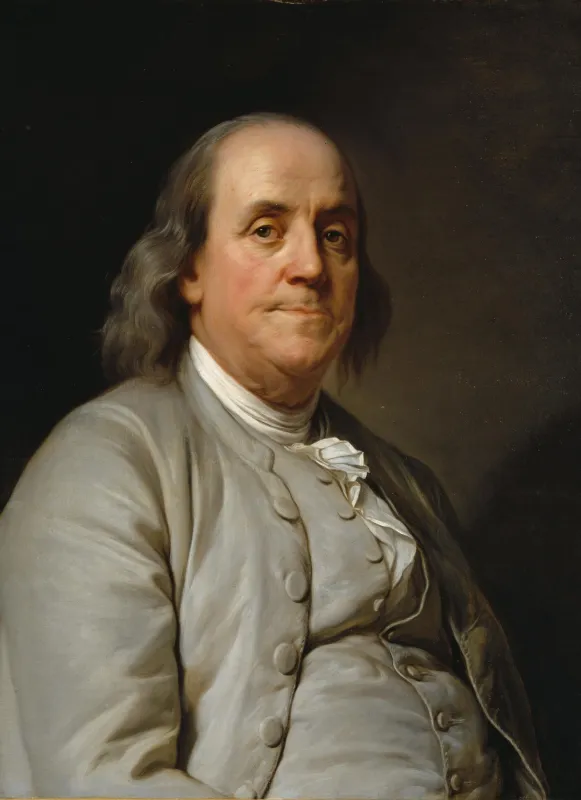
- Benjamin Franklin – Representing Pennsylvania, he was more than just an idea man.
- Roger Sherman – This Connecticut delegate also served on the Committee of Thirteen to draft a new government.
- Robert R. Livingston – A member of the New York elite, maybe the most important Founder you've never heard of.
Some other notable delegates also make a prominent appearance, with or without their own musical number.
Other Featured Delegates:
- Richard Henry Lee – Here a Lee, there a Lee, but this one introduced the formal resolution for independence.
- Edward Rutledge – Not originally a fan of independence, but later fought for the cause on the battlefield, too.
- John Hancock – He...enthusiastically...signed the Declaration of Independence first.
- Stephen Hopkins – Really called "Old Grape and Guts." Had to drink something when tea was taboo, right?
- Ceasar Rodney – This Delaware delegate let nothing stand between him and a vote for independence.
- John Witherspoon – This New Jersey delegate insisted that not only were the colonies "ripe" for independence, "but in danger of rotting for want of it.”
And the equally important supporting characters have their own stories to tell.
- Abigail Adams– Indefatigable New Englander, wife and confidant of husband John.
- Martha Jefferson – Wife of T.J., classical music lover (.... presumably).
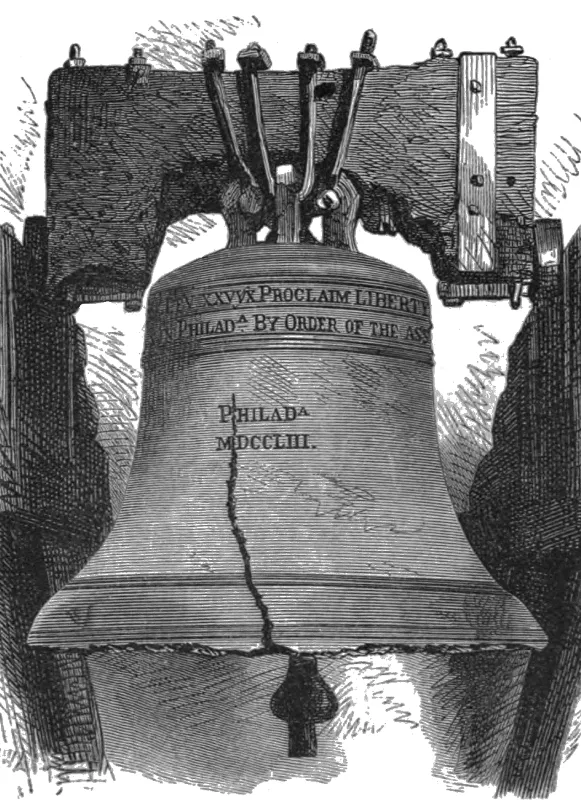
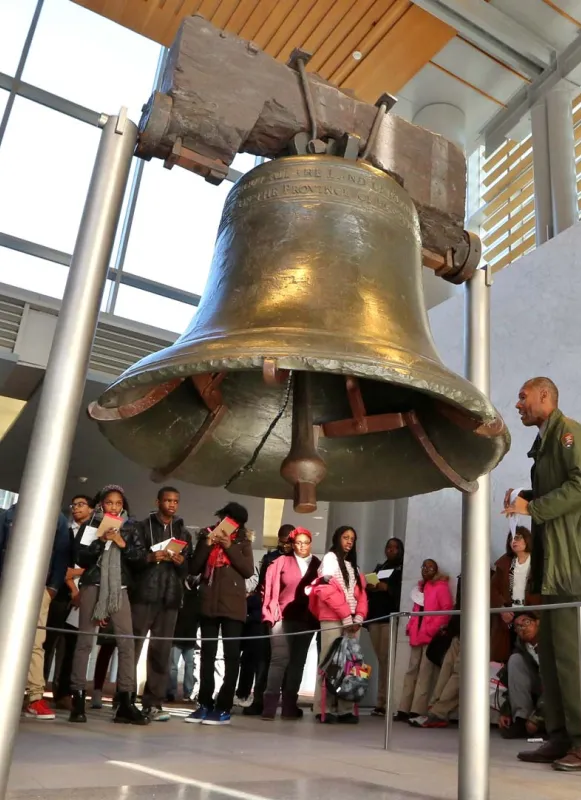
- Andrew McNair – Historians don't know much about McNair except his service as official custodian for the Continental Congress. McNair likely ran the Liberty Bell to signify the ratification of the Declaration of Independence.
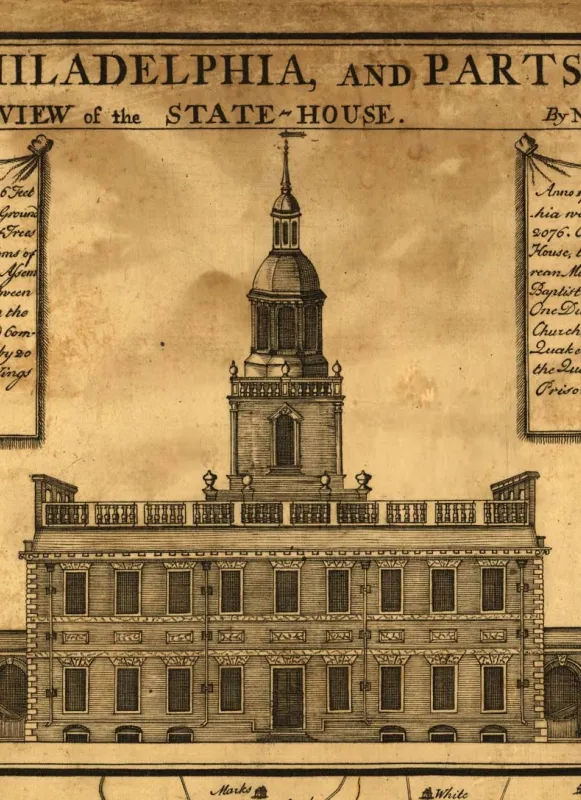
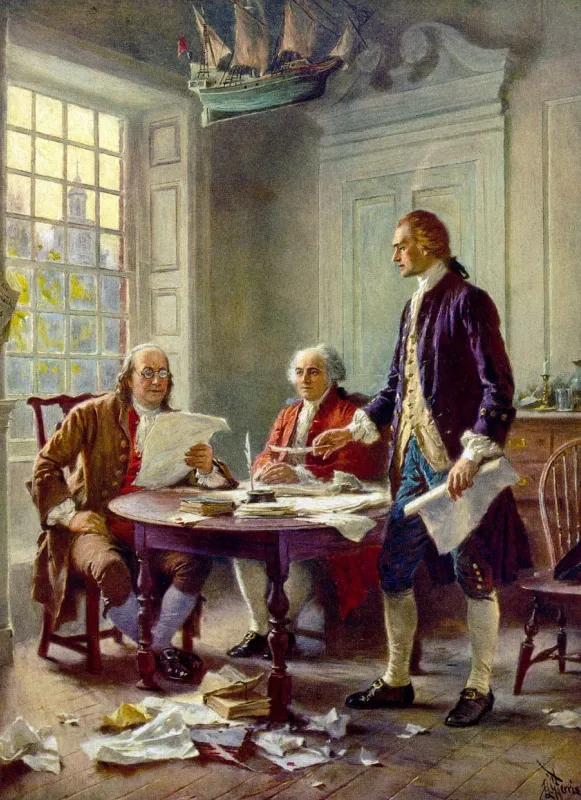
Learn the Backstory
Learn the History
The musical imagines a snapshot of the weeks leading up to the signing of the Declaration of Independence. But what events really happened to bring the Second Continental Congress to finally vote on American independence? Grab your popcorn--we'll give you the backstory on just some of what leads into the musical's main event.
- The Path to the Declaration: A story longer than any director's cut.
- The Boston Tea Party: Real tea, real drama.
- The Acts That Fueled Rebellion: Colonists may have spilled the tea--but they didn't like paying the price.
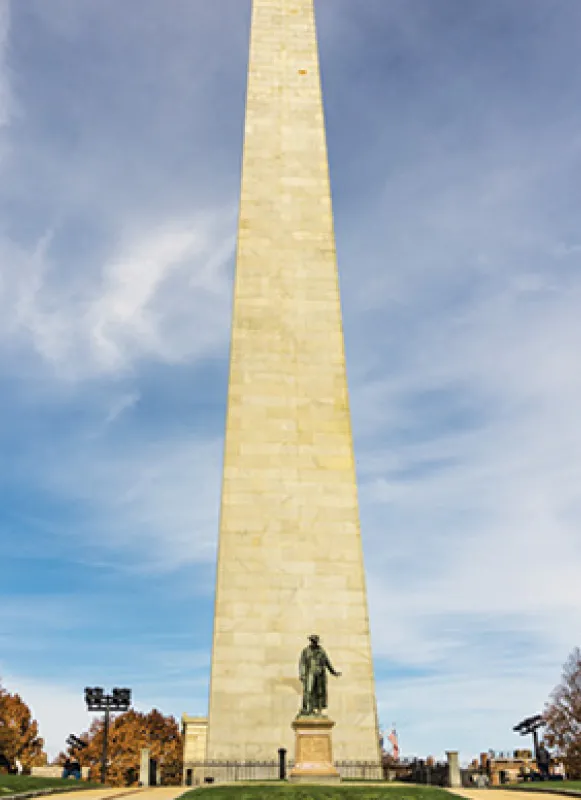
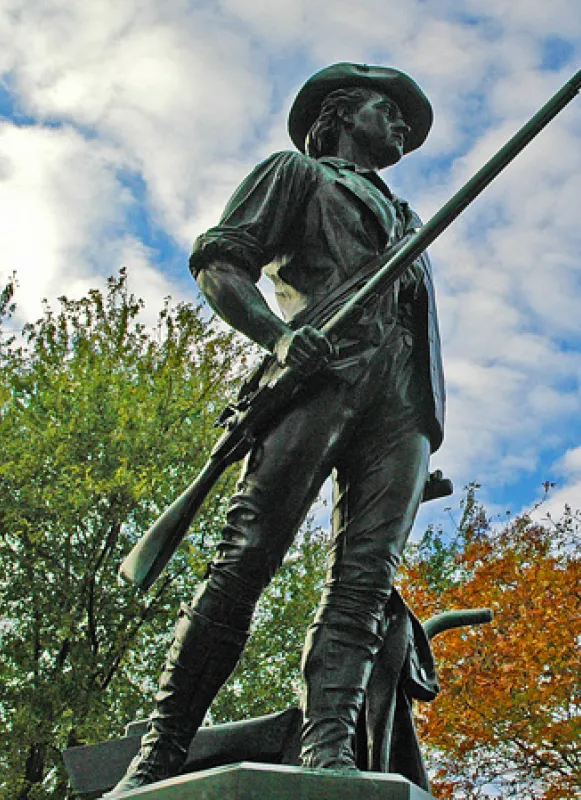
- Lexington and Concord: The shot heard 'round the world, but do you really know the story?
Explore Historical Themes
It's not all song and dance. The musical explores some of the historical themes are important context to better understand the era of the American Revolution.
Slavery was legal and practiced in all thirteen colonies during the Revolution, but Founders' differing views impacted the language of the Declaration of Independence.
Abigail Adams famously sang...wrote...to her husband to "remember the ladies." During the Revolution, women could not vote or serve as delegates, but they had important roles to play during the war.
- The Daughters of Liberty
- Women in the American Revolution
- 10 Facts: Women During the Revolutionary War
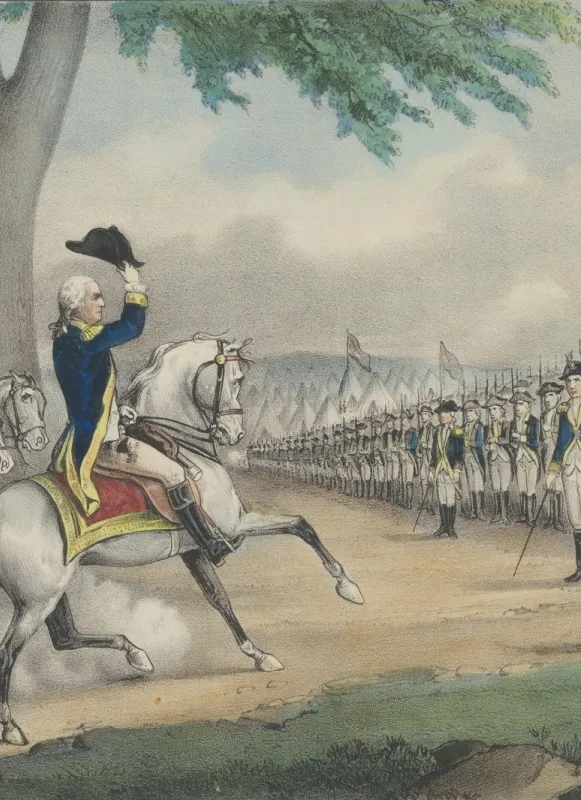
During the musical, a solemn postrider delivers somber news about the state of Washington's Continental Army and sacrifices of the soldiers in war. The early years of the war--including the months leading up to the signing of the Declaration of Independence--were difficult for soldiers on the ground who lacked training and discipline. Washington's first major victory wouldn't come for months--not until the Battle of Trenton on December 26, 1776.
- Continental Congress: Unprepared for War
- 10 Facts: The Continental Army
- The Fighting Man of the Continental Army
- Summer Soldiers and Sunshine Patriots: The American Crisis
Read the Primary Sources
- The Lee Resolution: What started it all--short, sweet, and to the point.
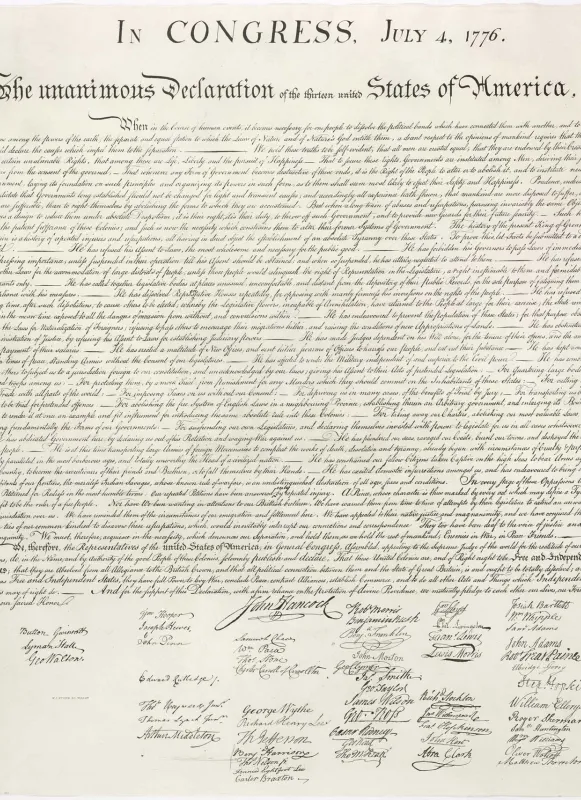
- The Declaration of Independence: The OG break-up letter; read it for yourself here.
- Newspapers Reporting the Declaration of Independence: When print media was the only media.
- Jefferson Condemns the Slave Trade in the Declaration of Independence: Cut from the document, but very much part of the dramatic tension in the musical.
- John Adams Writes about the Tea Party: Because why wouldn't you want John Adams' opinion?
Visit the Real Sites
Visit the Sites
We've made it easy to follow in the Founders' footsteps. Queue up the tunes – a revolutionary road trip awaits!
Historic Philadelphia
- The Heart of a Revolution: Philadelphia during the War for Independence: Learn all about the City of Brotherly Love and sound smart to your friends.
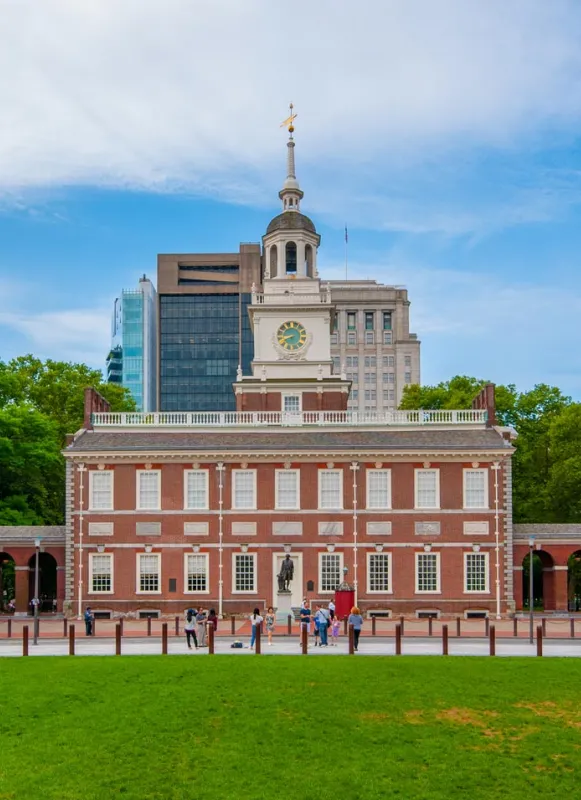
- Independence Hall Historic Site: Plan your trip to Independence Hall – the room where it happened.
- Independence Hall: The Birthplace of America: Know before you go.
- Museum of the American Revolution: Pay your respects to Boston's Liberty Tree and peep General Washington's mobile command center, the First Oval Office.
Revolutionary Road Trips
- Historic Philadelphia Field Trip Itinerary: For educators, parents, and spring breakers.
- Historic Boston Field Trip Itinerary: Sit down, John, we're going on a road trip.
- Visit Brooklyn Battlefield: The musical pokes fun at General George Washington's dispatches to Congress from New York. Let's just say things didn't end well for the Continental Army there in August 1776.
- The Liberty Trail: Trip planning and audio guides when you get there. Four states and counting!
Following the Footsteps of the Founders
- Stratford Hall Plantation: Here a Lee, there a Lee – delegate Richard Henry Lee called this Virginia plantation home.
- Adams National Historical Park: Want to see where John and Abigail actually got to spend some quality time together? Visit their home in Quincy, Massachusetts.
- Oliver Wolcott House: This signer of the DOI didn't make an impression in the musical, but you could still pay your respects at his home in Connecticut.
- Middleton Place: Birthplace of Arthur Middleton, a member of the South Carolina delegation.
- Josiah Bartlett House: Alphabetically: the first to vote for independence. Culturally: the first namesake of a president in The West Wing.
- Governor Stephen Hopkins House: No word on whether the rum's gone at Hopkin's home in Rhode Island, but George Washington slept here, too.
- Hancock-Clarke House: Boyhood home of ol' John Hancock himself, where he was hanging out with Sam Adams when Paul Revere knocked on the door in the early hours of April 19, 1775.
- Granary Burial Ground: The final resting place of John Hancock, Robert Treat Paine, and Benjamin Franklin's parents. John Adams defended the British soldiers who fired into the crowd at the Boston Massacre, whose victims are also buried here.

Read the History
Did you know that real events, letters, and other primary sources inspired much of the script and lyrics? Here are just some examples.
John and Abigail Adams: “Don't stop writing; it's all I have.”
We learn much of how John is feeling about his fellow delegates and the slow-moving Continental Congress through his letters to his wife, Abigail. While he was serving in the Second Continental Congress in Philadelphia, Pennsylvania, Abigail was home with their children in Braintree, Massachusetts. Through musical numbers that imagine the couple's correspondence, the musical depicts real historical fact--the two were veracious writers while separated for much of the American Revolution and, lucky for us, unlike other revolutionary power couples, a treasure trove of their letters survive, and undoubtably inspired the musical numbers between them.
“There's one thing every woman's missed in Massachusetts Bay...”
Abigail really did write to John asking for pins.
“I have a request to make you. Something like the Barel of Sand suppose you will think it, but really of much more importance to me. It is that you would send out Mr. Bass and purchase me a bundle of pins and put in your trunk for me. The cry for pins is so great that what we used to Buy for 7.6 are now 20 shillings and not to be had for that. A bundle contains 6 thousand for which I used to give a Dollor, but if you can procure them for 50 [shillings] or 3 pound, pray let me have them.”
– Abigail Adams to John Adams, June 16, 1775
“Not one pin is to be purchased for love nor money. I wish you could convey me a thousand by any Friend travelling this way. Tis very provoking to have such a plenty so near us, but tantulus like not able to touch.”
– Abigail Adams to John Adams, July 16, 1775
"The catalog of my faults you included in your last letter."
When John calls Abigail "unreasonable" in one musical moment, she responds "you must add that to your list," referring to the "catalog of faults" he had sent her previously. Surprisingly, this exchange is based in historical fact. In May 1764 (much earlier than the events of 1776), John did send to Abigail such a letter. He commented on her card playing, singing, posture, even how she walked. But it all must have been in jest, and with an eye towards self-improvement. John and Abigail married in October of that year.
"I promised you, Sometime ago, a Catalogue of your Faults, Imperfections, Defects, or whatever you please to call them. I feel at present, pretty much at Leisure, and in a very suitable Frame of Mind to perform my Promise. But I must caution you, before I proceed to recollect yourself, and instead of being vexed and or fretted or thrown into a Passion, to resolve upon a Reformation-for this is my sincere Aim, in laying before you, this Picture of yourself..."
– John Adams to Abigail Smith, May 7, 1764
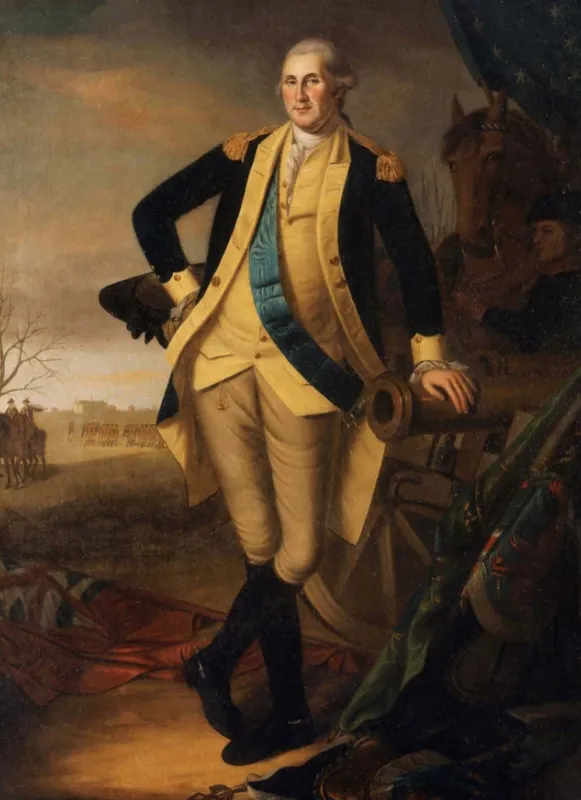
Washington's Dispatches: “Surely we have managed to promote the gloomiest man on this continent to the head of our troops. Those dispatches are the most depressing accumulation of disaster, doom and despair in the entire annals of military history.”
Throughout the musical, Secretary Charles Thomson reads various dispatches General George Washington has sent from the battlefield. And....they're not good. While Adams and Company are trying to wage a war of words to declare the colonies independent from Great Britain, the Continental Army was foundering--even after Washington's successful ousting of the British from Boston.
Historically, Washington wrote to Congress frequently. Congress was...slow to respond...and Washington noticed. But as the musical points out, Washington's dispatches to Congress during this time weren't all sunshine and rainbows, but painting a picture of uncertainty and despair. For the duration of the time period followed in the musical (June-July 1776), Washington was situated in New York, having moved his Continental Army there to keep the British out of that city after their expulsion from Boston. Later that summer, Washington lost the Battle of Brooklyn--with 2,000 Patriot casualties.
So maybe Washington was right to be a bit gloomy in his letters to Congress. Read some for yourself, below.
Lack of Arms
“I have perused the petition preferred by the Independant Corps of Boston and beg leave thro you to Inform Congress, that the Five Regiments there are extremely deficient in Arms, as are many Other Regiments in Continenta⟨l⟩ pay, and Submit It to their consideration whethe⟨r⟩ any part of the Arms lately taken, under these circumstances shou’d be delivered to the Gentlemen applying for them, determening at the same time that whatever decisio⟨n⟩ they come too will be agreable to me and be litterally complied with by.”
– George Washington to John Hancock, President, Second Continental Congress, June 3, 1776
The Situation in Canada
“I am much concerned for the situation of our Affairs in Canada and am fearfull ’ere this, It is much worse than was first reported at Philadelphia. The Intelligence from thence in a Letter from Captn Wilkinson of the 2d Regimt to Genl Greene is truly alarming; It not only confirms the account of Col. Bedle & Major Sherburn’s defeat, but seems to forebode General Arnolds with the loss of Montreal—I have Inclosed a Copy of the Letter which will but too well shew that there is foundation for my apprehensions.”
– George Washington to John Hancock, President, Second Continental Congress, June 7, 1776
Troop Pay
“Having heard that the Troops at Boston are extremely uneasy and almost mutinous for want of pay (several months of which being now due) I must take the liberty to repeat a question contained in my Letter of the 5 Ulto, “what mode is to be pursued respecting It, whether is money to be sent from hence by the paymaster Genl, or some person subordinate to him to be appointed there for that purpose? I expected some direction wou’d have been given in this Instance long ’ere this, from what was contained in yours accompanying, or about the time of the last, remittance. I presume It has been omitted by reason of the multiplicity of Important business before Congress.”
– George Washington to John Hancock, President, Second Continental Congress, June 8, 1776
Washington's Own Gloomy State: "How I wish I had never seen the Continental Army."
Yep, he wrote this. Well, something like it. But it wasn't in a dispatch to the Continental Congress assembled, it was in a letter to Lieutenant Colonel Joseph Reed, one of his aides. Writing from Cambridge, he painted a dismal picture of the state of the war effort, including lack of troop enlistments, arms, and pay. His language is bleak, to say the least. The musical's script puts it mildly, compared to Washington's actual words.
"...the reflection upon my Situation, & that of this Army, produces many an uneasy hour when all around me are wrapped in Sleep. Few People know the Predicament we are In, on a thousand Accts—fewer still will beleive, if any disaster happens to these Lines, from what causes it flows—I have often thought, how much happier I should have been, if, instead of accepting of a command under such Circumstances I had taken my Musket upon my Shoulder & enterd the Ranks, or, if I could have justified the Measure to Posterity, & my own Conscience, had retir’d to the back Country, & livd in a Wig-wam..."
– George Washington to Lieutenant Colonel Joseph Reed, January 14, 1776
John Adams' Jealousy: "I'll not appear in the history books anyway. Only you. Franklin did this and Franklin did that, and Franklin did some other damned thing. Franklin smote the ground and out sprang George Washington, fully grown and on his horse. Franklin then electrified him with his miraculous lightning rod then the three of them, Franklin, Washington and the horse, conducted the entire revolution all by themselves."
In the musical, Adams vents his frustration and envy that no one would remember his involvement in the Revolution--let along the real history of how it all came about. It's a funny moment--and it's based on a real letter that Adams sent to Benjmain Rush in 1790. Here's exactly what Adams said--how well do you think the musical captured this?
"The History of our Revolution will be one continued Lye from one End to the other. The Essence of the whole will be that Dr Franklins electrical Rod, Smote the Earth and out Sprung General Washington. That Franklin electrifed him with his Rod—and thence forward these two conducted all the Policy Negotiations Legislation and War. These underscored Lines contain the whole Fable Plot and Catastrophy. if this Letter should be preserved, and read an hundred Years hence the Reader will Say “the Envy of this J. A. could not bear to think of the Truth”!"
– John Adams to Benjamin Rush, April 4, 1790
Stephen Hopkins' Rum Demands: "McNair! Fetch a pillow and two more rums."
It's true--Stephen Hopkins, delegate from Rhode Island, really did have the nickname "Old Grape and Guts." And at least according to one source, was quite the drinker. John Adams had a lot to say about his congressional colleague in his own autobiography. Hopkins may not have drank his way through the actual daytime proceedings of the Second Continental Congress, but...well, read for yourself. Cheers...
"...Hopkins of Rhode Island, above seventy Years of Age kept us all alive. Upon Business his Experience and Judgment were very Usefull. But when the Business of the Evening was over, he kept Us in Conversation till Eleven and sometimes twelve O Clock. His Custom was to drink nothing all day nor till Eight O Clock, in the Evening, and then his Beveredge was Jamaica Spirit and Water. It gave him Wit, Humour, Anecdotes, Science and Learning."
– John Adams, Autobiography
Following the Footsteps of the Founders
Here a Lee, there a Lee – delegate Richard Henry Lee called this Virginia plantation home.
Want to see where John and Abigail actually got to spend some quality time together? Visit their home in Quincy, Massachusetts.
This signer of the DOI didn't make an impression in the musical, but you could still pay your respects at his home in Connecticut.
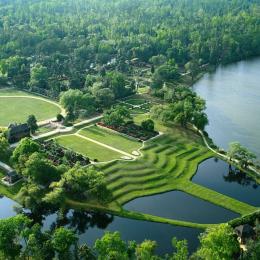
Birthplace of Arthur Middleton, a member of the South Carolina delegation.
Alphabetically: the first to vote for independence. Culturally: the first namesake of a president in The West Wing.
No word on whether the rum's gone at Hopkin's home in Rhode Island, but George Washington slept here, too.
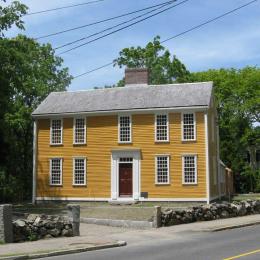
Boyhood home of ol' John Hancock himself, where he was hanging out with Sam Adams when Paul Revere knocked on the door in the early hours of April 19, 1775.
The final resting place of John Hancock, Robert Treat Paine, and Benjamin Franklin's parents. John Adams defended the British soldiers
Dive Deeper
Your Revolutionary journey awaits on The Liberty Trail. Visit preserved landscapes and hallowed ground, battlefields and monuments, and heritage sites and museums that together tell the story of 1776 and beyond. Build travel itineraries, download tour apps, and stay up-to-date with events and news from The Liberty Trail.
American Revolution Experience
With new artwork from artist Dale Watson, this exhibit brings you face-to-face with the real people who lived during the American Revolution. Explore the award-winning digital exhibit, or check out where to find the traveling exhibit coming to a location near you.
Want to stay up to date with revolutionary news from The Liberty Trail and more? Sign up for The Powder Horn today!
See it Live
Now that you've learned about the cast of characters, key events and, of course, battles of the American Revolution that inspired the musical 1776, it's time to see the musical in person!
Check out our events calendar to see if 1776 is playing in a theater near you. Secure your spot to watch history unfold and buy your tickets today!