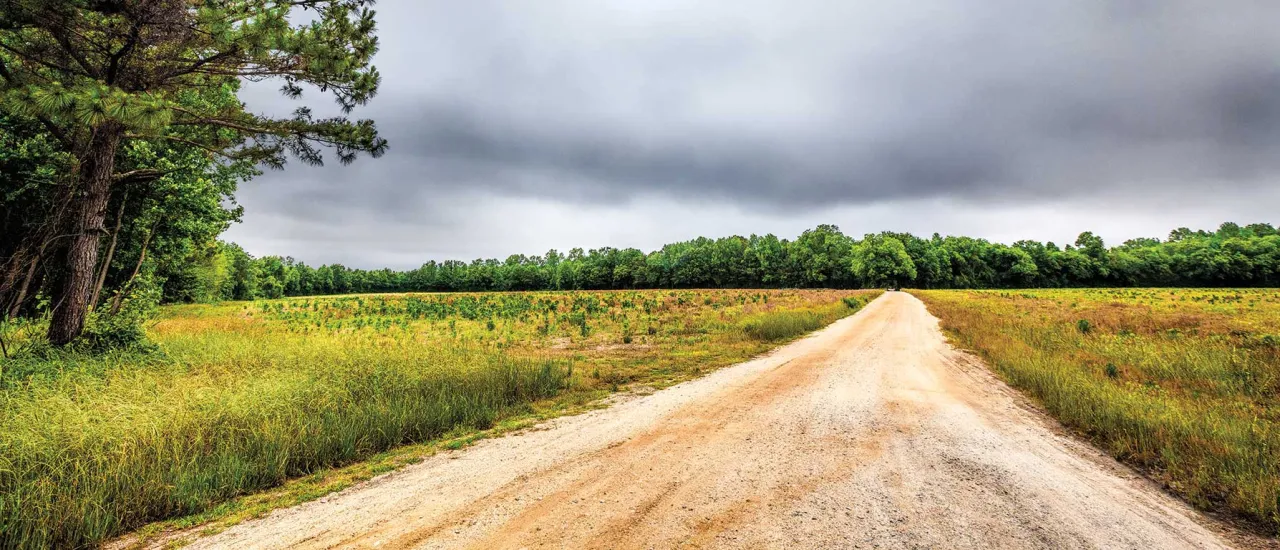
Bentonville Battlefield, Johnston County, N.C.
North Carolina at War Lesson Plan
A lesson plan for use in middle and high school classrooms.
If you're watching the North Carolina at War Animated Map video with your students, it might be the perfect opportunity to explore even more of history, primary sources and biographies. This lesson plan includes a range of resources, focusing on the Regulators Upring, the American Revolution, and the Civil War.
This Lesson Plan can be used as a prepared resource by following this curriculum plan which aligns to South Carolina State Social Studies Standards.
This Lesson Plan's assets can also be used on their own as supplemental resources. The display format is prepared for easy access, exploring, and learning.
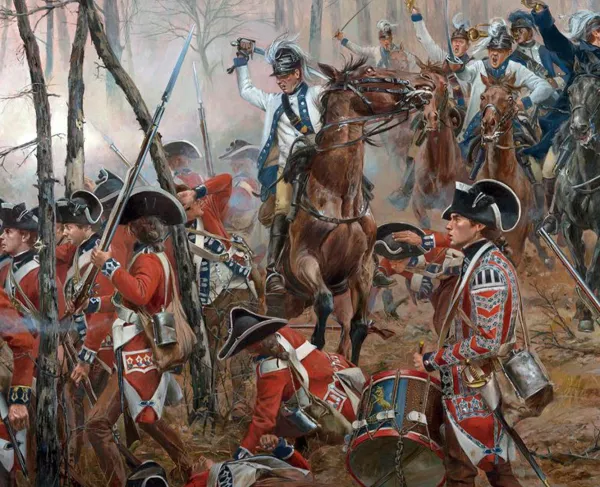
North Carolina & The American Revolution Lesson Plans
To virtually explore the history of North Carolina during the American Revolution and Civil War via video, primary and secondary sources and classroom discussion.
Upon completion of this lesson, the students will be able to:
1. Knowledge
- Students will be able to identify important events in North Carolina and U.S. History.
- Students will be able to discuss North Carolina’s importance in military history in early U.S. History.
2. Comprehension/Application/Analysis
- Read secondary source documents (articles).
- Summarize findings by writing an original creative piece.
3. Evaluation
- Evaluate and discuss some of the various moments in North Carolina’s history, particularly during the American Revolution and Civil War.

Check out the Lesson Plan Teaching Guide for more instructions on using the prepared Lesson Plan.
Lesson Plan Secondary Source Activity:
- Watch some or all the North Carolina at War Animated Map video.
- Conduct a group discussion utilizing the discussion questions.
- Have you ever visited any of these towns/places/historic sites?
- Do you know if you had an ancestor who has served in the military?
- In your opinion, was there an event in the video that you think was most important? Why?
- Is there something in the video you’d like to know more about?
- Was there something you didn’t understand about the video? What was that?
- Have the students complete the Video Question Quiz Worksheet. (Students can do this while watching the video if it would be helpful for engagement.)
- If the entire video was watched, have the students complete all of it.
- If only some of the video was viewed, have the students complete the relevant sections.
- Have students read a secondary source (article) from the collection on the lesson plan page. Then, have students write a letter from the perspective of someone who took part in the historic event, concluding the letter with how they think this event might change North Carolina’s history.
- Complete an optional exercise.
OPTIONAL HOMEWORK/ASSESSMENT/ADDITIONAL ACTIVITIES:
Option 1:
Break students into small groups and assign one or two chapters of the video for each group to watch. Have the groups only watch their assigned sections. After viewing, have the small groups present what they learned to the class.
Option 2:
Have students research one aspect of the video that piqued their interest. They can prepare a 500-word paper or present their findings to the class in the form of an in-person or video presentation.
Option 3:
Have students explore North Carolina monuments in the American Battlefield Trust’s Monuments and Markers Database. Select a monument to sketch and write a brief description of its appearance and what it means or represents.
Option 4:
Have your students choose a biography on the Lesson Plan Page. Instruct them to write a paragraph about what this person did in North Carolina history and why this person inspires the student.
Common Core State Standards- ELA & History/Social Studies
Grades 6-8
- Key Ideas and Details:
- CCSS.ELA-LITERACY.RH.6-8.2
- Determine the central ideas or information of a primary or secondary source; provide an accurate summary of the source distinct from prior knowledge or opinions.
- CCSS.ELA-LITERACY.RH.6-8.2
- Craft and Structure:
- CCSS.ELA-LITERACY.RH.6-8.5
- Describe how a text presents information (e.g., sequentially, comparatively, causally).
- CCSS.ELA-LITERACY.RH.6-8.5
Grades 9-10
- Key Ideas and Details:
- CCSS.ELA-LITERACY.RH.9-10.2
- Determine the central ideas or information of a primary or secondary source; provide an accurate summary of how key events or ideas develop over the course of the text.
- CCSS.ELA-LITERACY.RH.9-10.2
- Craft and Structure:
- CCSS.ELA-LITERACY.RH.9-10.5
- Analyze how a text uses structure to emphasize key points or advance an explanation or analysis.
- CCSS.ELA-LITERACY.RH.9-10.5
- Integration of Knowledge and Ideas:
- CCSS.ELA-LITERACY.RH.9-10.9
- Compare and contrast treatments of the same topic in several primary and secondary sources.
- CCSS.ELA-LITERACY.RH.9-10.9
Grades 11-12
- Key Ideas and Details:
- CCSS.ELA-LITERACY.RH.11-12.2
- Determine the central ideas or information of a primary or secondary source; provide an accurate summary that makes clear the relationships among the key details and ideas.
- CCSS.ELA-LITERACY.RH.11-12.2
- Craft and Structure:
- CCSS.ELA-LITERACY.RH.11-12.6
- Evaluate the authors' differing points of view on the same historical event or issue by assessing the authors' claims, reasoning, and evidence.
- CCSS.ELA-LITERACY.RH.11-12.6
Social Studies - National Council for the Social Studies
- Theme 2: Time, Continuity, and Change
- Theme 3: People, Places, and Environments
This Lesson plan
contains the following:
6 Activities | 45 Resources
Audience: Middle school | High school