Fredericksburg Battlefield, Va
Save 45 Acres at Fredericksburg & Stones River
The Opportunity
A final payment is all that stands between preservation and permanent loss of 45 acres of hallowed battlefield ground — 7.5 acres at Fredericksburg, Virginia, and 38 acres at Stones River, Tennessee.
More than a year ago, an opportunity arose to purchase land at Fredericksburg that witnessed both the First and Second Battles of Fredericksburg. With the recent construction of nearby multi-unit housing projects, this land was next in line to be lost forever. Instead, the owners — motivated by respect for history and patriotism — agreed to sell the land for preservation.
A payment plan was arranged to raise the $1.5 million purchase price over three years. Thanks to dedicated donors, that goal is now within reach — one year ahead of schedule.
Now, an additional opportunity is available: to protect 38 acres at the Stones River Battlefield in Tennessee — a tract valued at over $9.4 million.
Through the combined efforts of private donors and public grants, the total cost to preserve both properties has been reduced to just $172,323. This is a rare moment to complete the preservation of 45.3 acres for a fraction of their market value.
The History
A Tale of Two Fredericksburgs
In late 1862, the Union Army underwent a leadership change. Following the Battle of Antietam, President Lincoln replaced Gen. George McClellan with Gen. Ambrose Burnside. Pressed to act quickly, Burnside launched a bold campaign against the Confederate capital by crossing the Rappahannock River at Fredericksburg.
The First Battle of Fredericksburg involved over 200,000 soldiers and produced 18,500 casualties. It marked the first opposed river crossing in American military history and included intense urban combat, as Union troops fought house-to-house under Confederate fire.
The 7.5-acre tract now up for final payment is located on the eastern slope of Lee’s Hill (then called Telegraph Hill), which served as Gen. Robert E. Lee’s headquarters and an artillery post for the Army of Northern Virginia. Commanders including Lee, James Longstreet, Thomas “Stonewall” Jackson, and Lafayette McLaws stood on this ground. It was here that Lee delivered one of the most memorable quotes of the war:
“It is well that war is so terrible, otherwise, we should grow too fond of it.”
Just months later, in May 1863, the Second Battle of Fredericksburg unfolded. Union Gen. Joseph Hooker divided his forces to stretch Confederate lines. Gen. Lee responded by dividing his own forces — leaving 56 cannons and 11,000 soldiers to defend Fredericksburg while moving to confront Hooker elsewhere.
On May 3, 1863, Union troops overran Lee’s rear guard. After capturing Telegraph Hill, Union artillery was placed on Telegraph Road to bombard Marye’s Heights. While the exact placement is uncertain, it is possible that Union batteries were positioned directly on the 7.5-acre tract that is now nearly saved.
This land has been recognized as historically important for decades. In 1962, the National Park Service installed interpretive signage on Lee’s Hill, visible from this tract.
Stones River: A Bloody Turning Point
At the end of 1862, Gen. William S. Rosecrans led 44,000 Union troops from Nashville toward Confederate Gen. Braxton Bragg in Murfreesboro. The Union general, cautious and deliberate, left approximately 40,000 men behind to protect supply lines — a decision that created vulnerability.
At dawn on December 31, 1862, Confederate brigades under Generals Lucius E. Polk and Bushrod Johnson struck Union forces commanded by Col. Sidney Post — directly on the tract now being offered for protection.
The engagement lasted less than 30 minutes, but casualties were severe. Gen. Johnson later reported:
“More than half of the whole loss of this brigade, in my opinion, occurred in this conflict.”
The Battle of Stones River would go on to have the highest percentage of total casualties of any major Civil War battle. The Union victory that followed provided a much-needed morale boost in the North and helped secure public support for the Emancipation Proclamation, which had taken effect just days earlier.
The 38-acre tract available today is one of the single largest undeveloped sections of the Stones River battlefield. For years, it was targeted for subdivision development. Now, preservation is possible — but only if funding is secured.
Take Action to Preserve American History
The opportunity to save 45.3 acres of battlefield land — including pivotal ground from both Fredericksburg battles and the opening clash at Stones River — will not come again.
One final payment is all that remains to complete the acquisition of land where American history was forged through fire and sacrifice.
A donation today helps preserve this land forever, offering future generations the chance to walk where history happened — and honor the valor of those who fought there. Please make a secure year-end donation today.
One final payment away
Explore This Opportunity
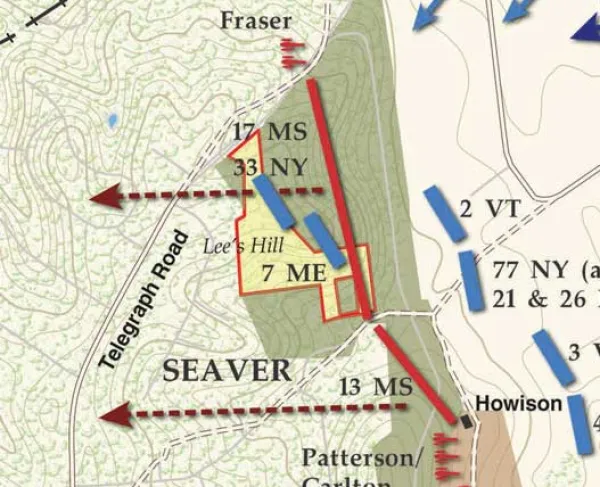
Second Fredericksburg | May 3, 1863
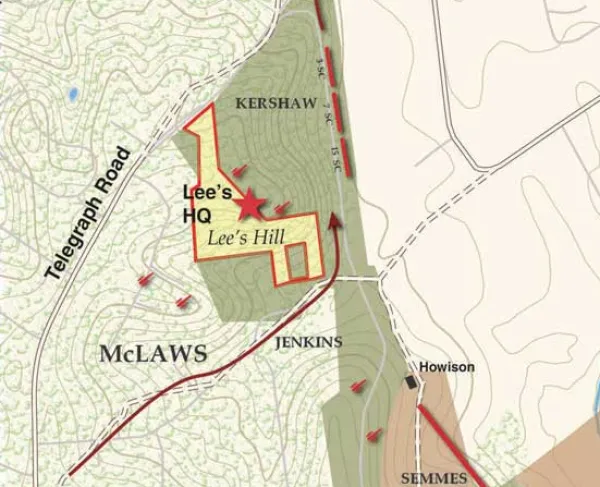
Fredericksburg | Sunken Road Fighting | Dec 13, 1862