From Battlefield to Bestseller: The Surprising Literary Lives of Military Figures
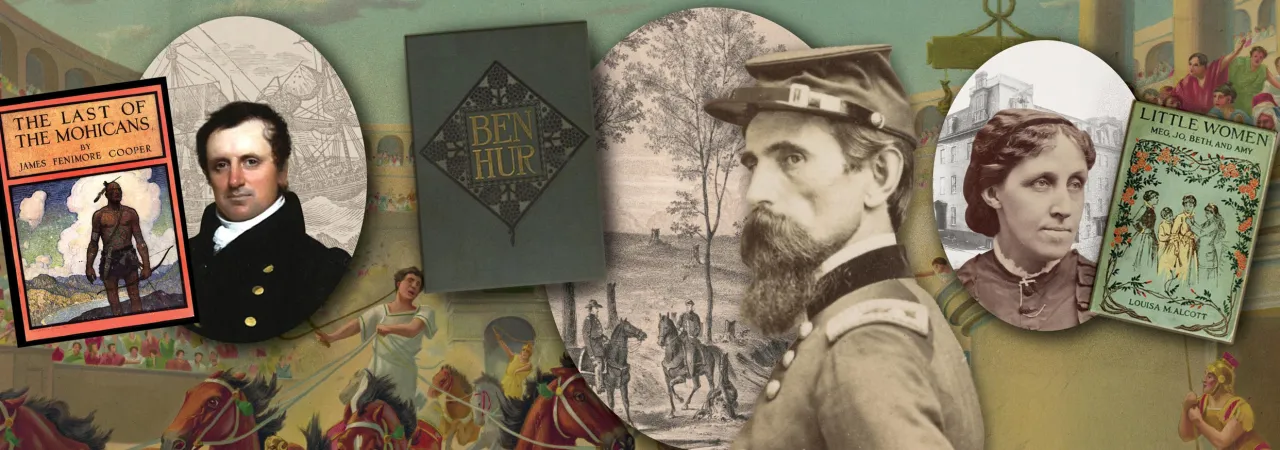
History has inspired countless memorable books, both fact and fiction. And while you might be familiar with some of the military figures who shaped American history, you may be surprised to learn how many also found success as authors. If you’re in the mood for a spot of fiction connected to the military, check out these blockbuster examples of surprising books written by service members:
John Burgoyne
John Burgoyne might best be remembered as the British Lieutenant General who surrendered his army at Saratoga in 1777 – a loss that helped turn the tide of the American Revolution. But did you know that both before and after this reputation-altering loss, John Burgoyne was a successful playwright?
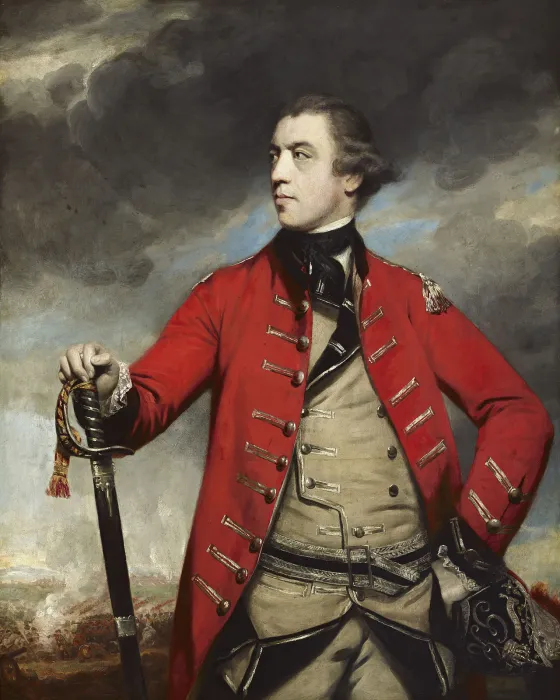
General John Burgoyne, ca. 1766, by Joshua Reynolds.
The Frick CollectionHis first play, The Maid of the Oaks, entered production in 1774, at which time he was serving in Parliament and receiving props for his service in the Portuguese Campaign of the Seven Years’ War. Despite a promising beginning, things didn’t go as well on his deployment to North America, although the long stretches of downtime between two sieges inspired him to write the satirical The Blockade of Boston. Instead of executing his plan to split the colonies in two using the Hudson River, he found himself trapped by American forces under Horatio Gates at Saratoga and forced to surrender his entire field army in October 1777.
Burgoyne returned to London, having vowed as a condition of his parole never to fight again in North America, and withdrew from public life. He devoted himself to the stage where he found greater success, writing popular pieces such as his most famous The Heiress, in 1786. Perhaps even more surprising, he wrote librettos for English-language operas and translated other musical works for the English stage.

Hugh Henry Brackenridge
Hugh Henry Brackenridge was a Continental Army chaplain with a knack for telling some of the earliest stories about our nation.
A chaplain's role was crucial to maintaining the morale of the Continental Army – speaking inspirational words to the masses. Brackenridge was known for his particularly powerful sermons, putting his Princeton education to good use (where he learned alongside James Madison!).
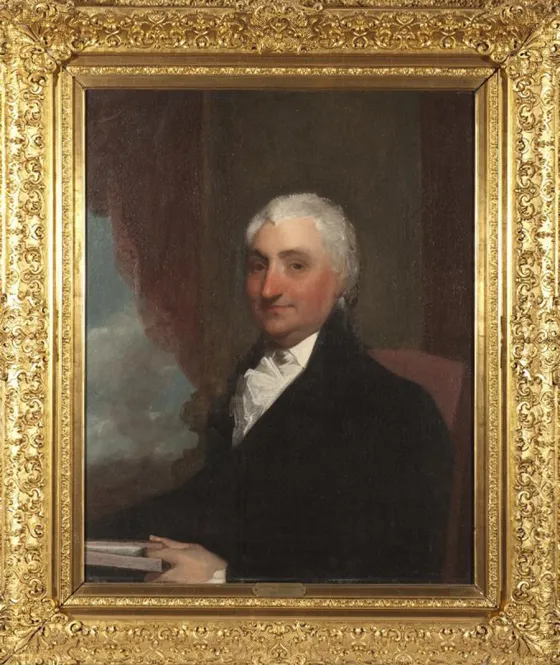
Hugh Henry Brackenridge, by Gilbert Stuart, 1810.
Public DomainAfter the Revolution, Brackenridge continued to use his voice under the public eye. He eulogized lives lost during the Revolution – receiving props from George Washington for his talent – and founded the United States Magazine and the Pittsburg Gazette, sat on the Pennsylvania State Assembly and later became a judge.
Along the way, he also authored some of the nation's formative literary works, including the first known report of the Whiskey Rebellion, Incidents of the Insurrection in the Western Parts of Pennsylvania, and his novel, Modern Chivalry, which told one of the first stories about life on the American frontier.
Before becoming “the father of sea novels,” James Fenimore Cooper spent several formative years as a sailor in the U.S. Navy during the lead-up to the War of 1812.
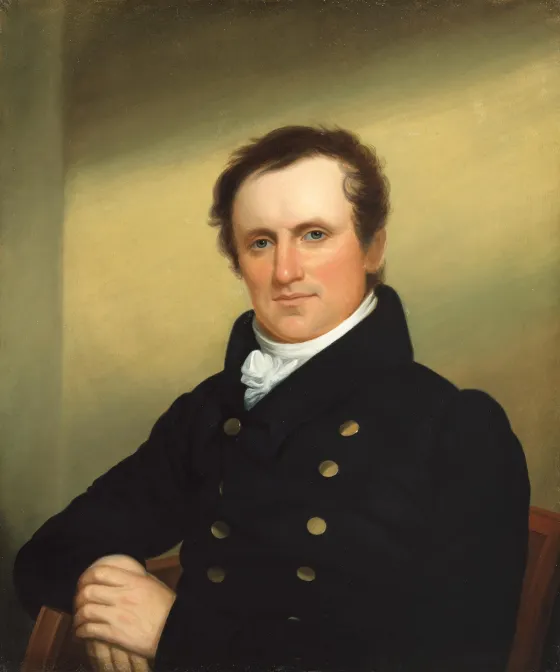
James Fenimore Cooper, by John Wesley Jarvis, c. 1820–1830.
Yale University Art GalleryIn 1806, Cooper signed on as a merchant seaman aboard Sterling, sailing to England and gaining firsthand experience of life at sea. During his service, Cooper witnessed British press gangs forcibly recruiting sailors into military service, an experience that left a lasting impression.
After two years in the Navy, Cooper drew heavy inspiration from his maritime experiences, painting romantic pictures of the sea and adventures. Some of his relevant pieces include The Pilot, The Red Rover, The Wing-and-Wing, The Two Admirals, Miles Wallingford, and The Sea Lions. His most famous work for modern audiences is The Last of the Mohicans, often referred to as his masterpiece.
Lewis Wallace
While Lewis Wallace is remembered for his leadership during some of the Civil War's most crucial battles, his legacy as an author is even stronger.
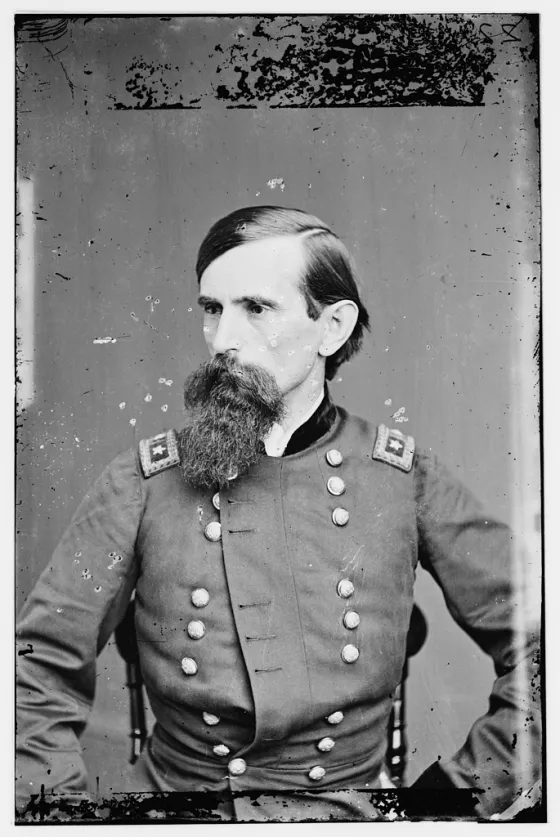
General Lew Wallace, ca. 1861–1865.
Library of CongressAfter commendable service as a second lieutenant in the Mexican-American War, Lew Wallace was appointed colonel of the 11th Indiana infantry at outset of the Civil War. Wallace led his troops in multiple decisive Civil War battles, including Fort Donelson, Shiloh, and Monocacy. He was promoted to major general in March 1862, making him the youngest man holding that rank major general in the Union army. Decades later, Wallace volunteered to re-enter service for the Spanish-American War but was rejected because of his age – 71 years old.
But it was his writing, not his military service, that made him famous. His novel, Ben-Hur: A Tale of Christ, became the best-selling American novel of the 19th century. It has since been re-adapted into film multiple times and the novel has never gone out of print.
If there's a common thread among some authors in American history, it's that many got their start in the military – and the trend didn't end with the American Revolution or the Civil War. Here are a few more you may recognize:
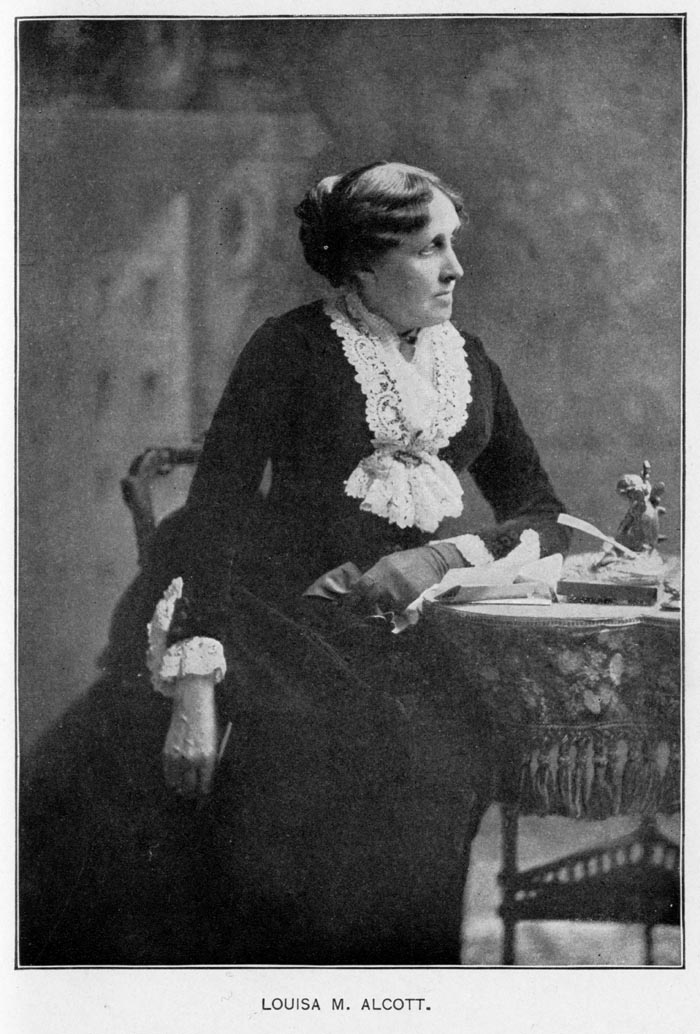
- Louisa May Alcott, the author of Little Women, was a Union Army nurse during the Civil War. She tended to the wounded while stationed at the Union Hotel in Georgetown, Washington, D.C. – an experience that inspired one of her first successful works, Hospital Sketches.
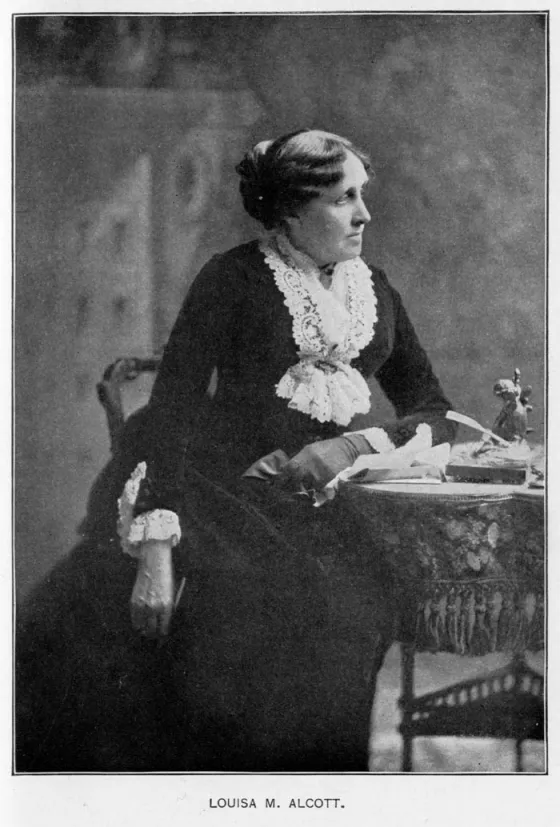
Louisa M. Alcott. Portrait of the author best known for Little Women, reproduced in Sarah K. Bolton’s Lives of Girls Who Became Famous (1914).
Project Gutenberg- Ernest Hemingway served in World War I as an American Red Cross ambulance driver. In 1918, he was wounded on the Austro-Italian front and was decorated for bravery. This experience influenced his A Farewell to Arms.
- F. Scott Fitzgerald, best known for The Great Gatsby, served in the U.S. Army during World War I. Although he never saw combat, he was preparing to deploy when the Armistice brought the war to an end.
- Kurt Vonnegut, author of Slaughterhouse-Five, served in the US Army during World War II and was captured during the Battle of the Bulge. He also survived the Allied firebombing of Dresden – experiences that would heavily influence his later writings.


_-_Gilbert_Stuart_(cropped).jpg)