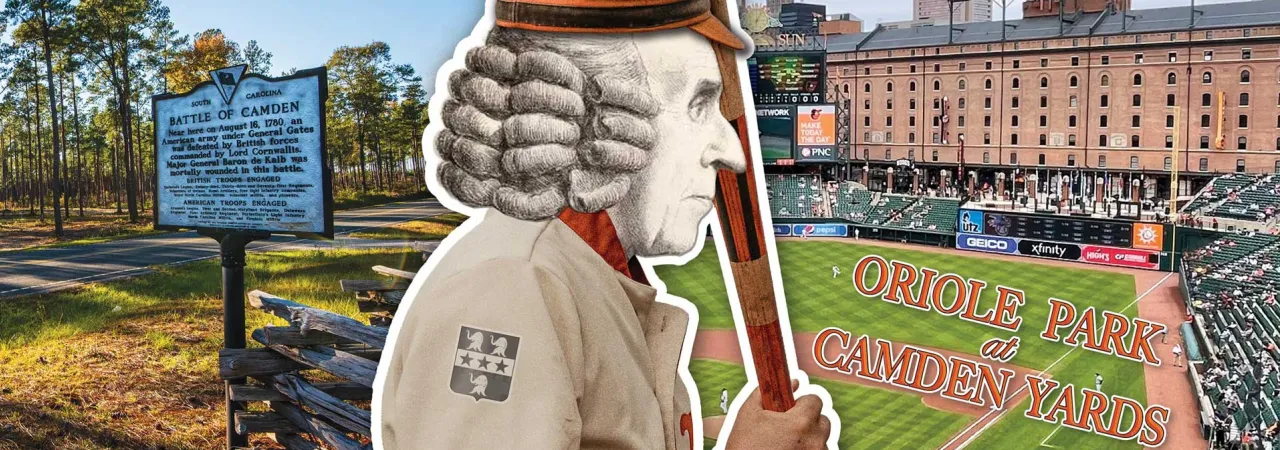
Consider these two bastions of American history and culture: A sandy, South Carolina site, where echoes of our Revolutionary past whisper through the longleaf pines. A stadium-ringed diamond where grass is curated like a museum exhibit and the crowd cheers players who walk an orange carpet on Opening Day.
One saw some of the the bloodiest, hardest fighting of the Revolution; the other is the ballpark home of the Baltimore Orioles. So, what do they have in common? Separated by nearly 250 years and 500 miles, it’s a head-tilting question. The answer lies in their shared name: Camden, South Carolina, and Oriole Park at Camden Yards.
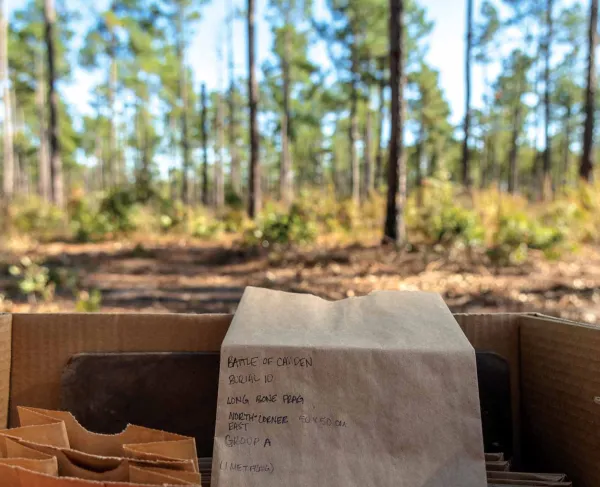
A story persists that Marylanders who survived the disastrous 1780 defeat at the Battle of Camden carried the name home to Baltimore, later giving us Camden Yards. That’s not actually true, but there’s a lot of hidden Revolutionary War history just steps away from the field. And the South Carolina battlefield that handed the patriots one of their greatest defeats? Well, let’s just say its namesake is a sad irony. Let’s get into it.
It turns out that both the town and the field are named after the same chap — a British aristocrat named Charles Pratt, Lord Camden, who, in his lifetime, set foot on neither Revolutionary battlefield nor ballfield.
Born in 1714, Lord Camden had a long career in British politics. He opposed British Prime Minister Lord North’s policies against the colonists, including the Coercive Acts, and, as the Revolution gained momentum in the colonies, vocally supported American independence. In 1775, he warned his colleagues that separation was inevitable: “My lords, it is evident that England must one day lose the dominion of America. It is impossible that this petty island can continue in dependence that mighty continent To protract the time of separation to a distant day is all that can be hoped.”
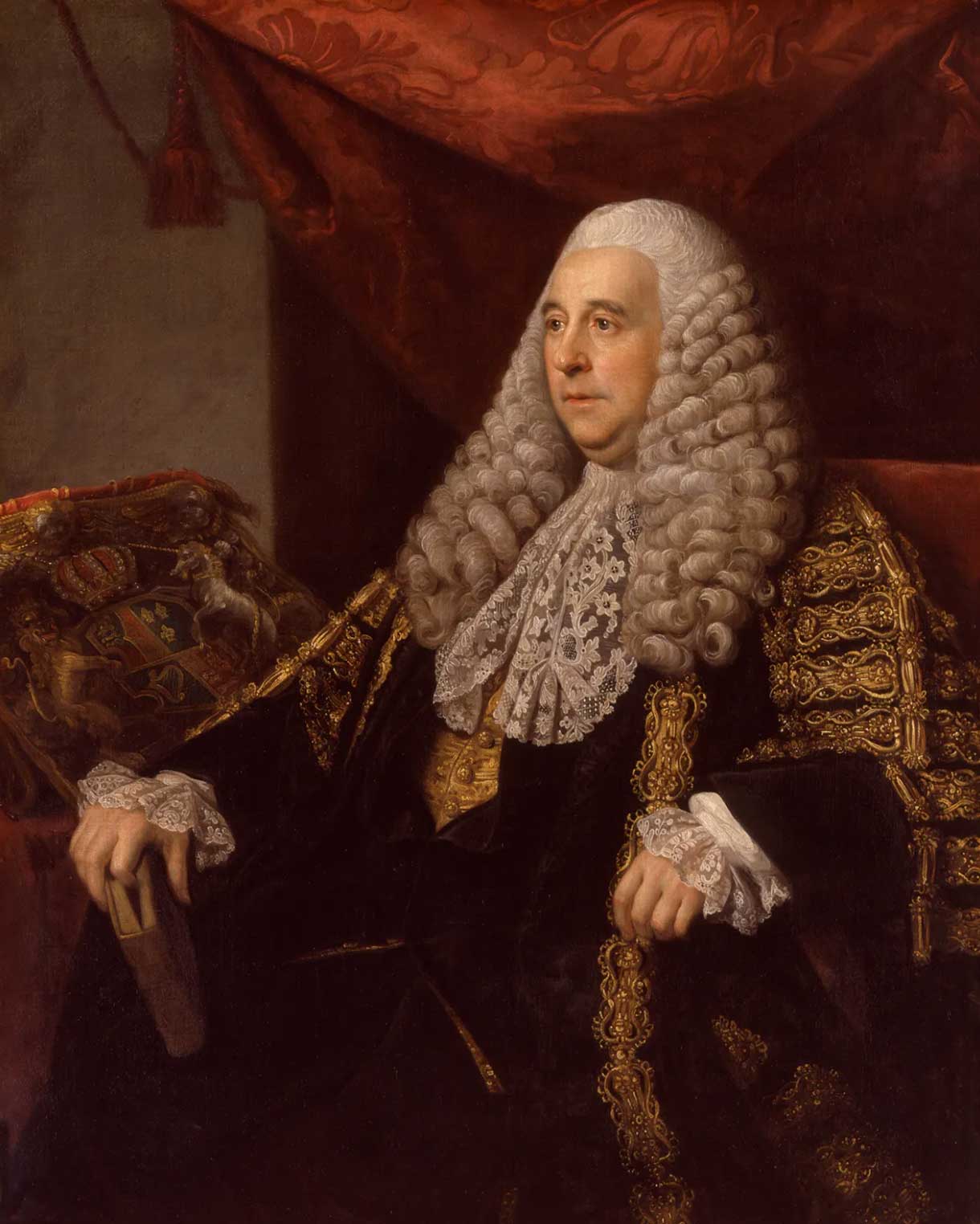
Patriots were quick to realize they had a friend in a high place across the pond and namesakes began popping up. In South Carolina, the town once known as Pine Tree Hill was renamed Camden, in honor of the Lord who defended the colonies in the face of the British Parliament.
In Maryland, Baltimore also gained place names related to Lord Camden. Both Pratt Street and Camden Street appear on a 1792 map of the town. By the 1850s the area housed a large station and railyard related to the growing Baltimore & Ohio Railroad — hence, Camden Yards. The name stuck.
It's a sad irony that the South Carolina town that changed its name to honor a vocal supporter of American independence also saw one of the worst American defeats of the Revolutionary War. On August 16, 1780, British General Charles Cornwallis led a mass of veteran regulars and loyalists against American General Horatio Gates’ larger but inexperienced militia. The heroes of the day, though? A small force of Continentals led by Baron Johann de Kalb, including those from Maryland.
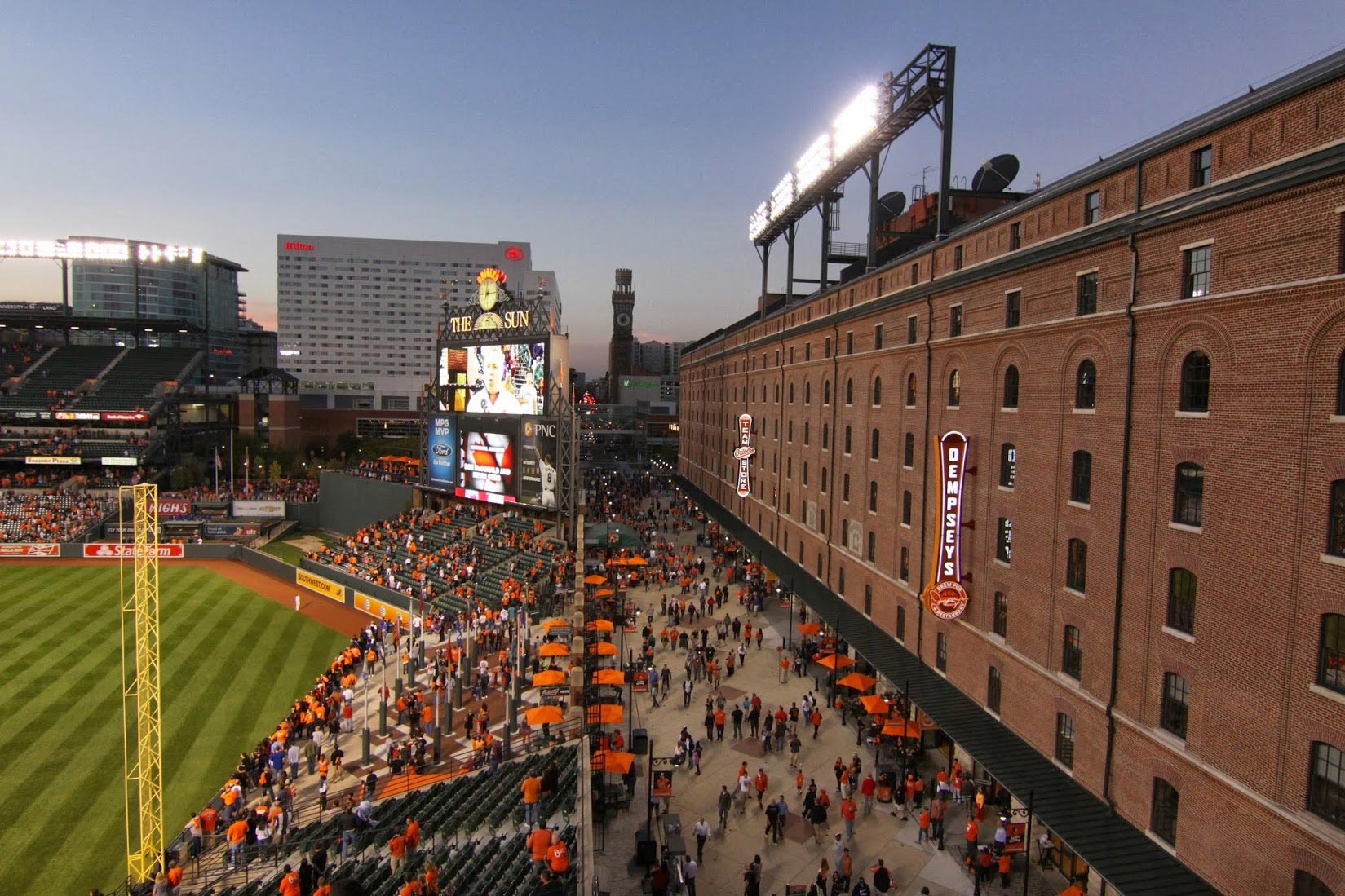
So, while Camden Yards wasn’t directly named to honor the Marylanders at the Revolutionary War battle, there is a connection. And just outside the stadium, the bustling Eutaw Street harkens back to the September 8, 1781, Battle of Eutaw Springs — where General Nathanael Greene led Patriot forces in the last major engagement of the war in the Carolinas.
And that’s not the only Revolutionary history hidden in plain sight in and around Oriole Park. Next time you’re at a game, try to tune out the “Hey, batter batter” banter and instead imagine everyone around you speaking French. In 1781, this area hosted a large French encampment when forces under the Comte de Rochambeau were en route to Yorktown, Virginia.
That’s our tale of two Camdens — two places, two centuries, one name. One, a battlefield soaked in sweat and blood and the other, alive with cheers and the crack of a bat. Yet both Camdens carry the echoes of the American Revolution—the conflict that shaped the nation. So maybe it’s fitting after all that America’s favorite pastime has a home that honors America’s founding past.

Related Battles
1,050
324