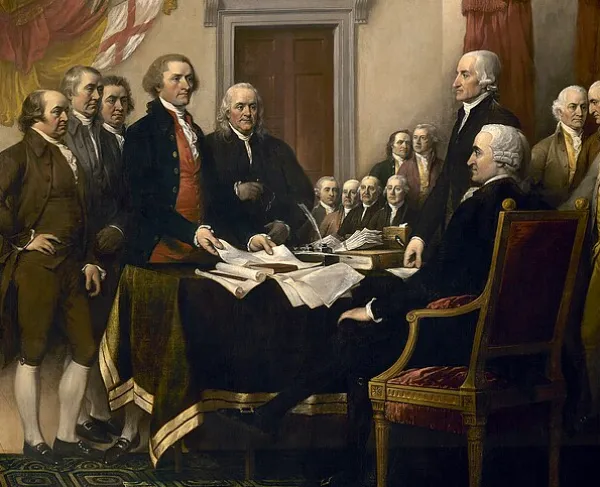
John Trumbull's painting, Declaration of Independence, depicts the moment on June 28, 1776, when the first draft of the Declaration of Independence was presented to the Second Continental Congress.
A Declaration
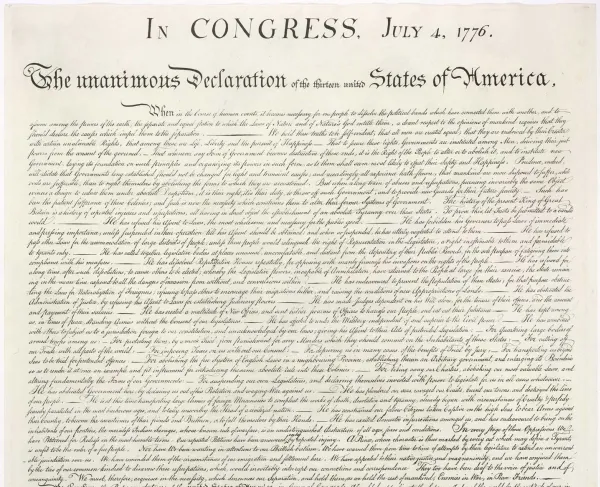
"In Congress, July 4, 1776"
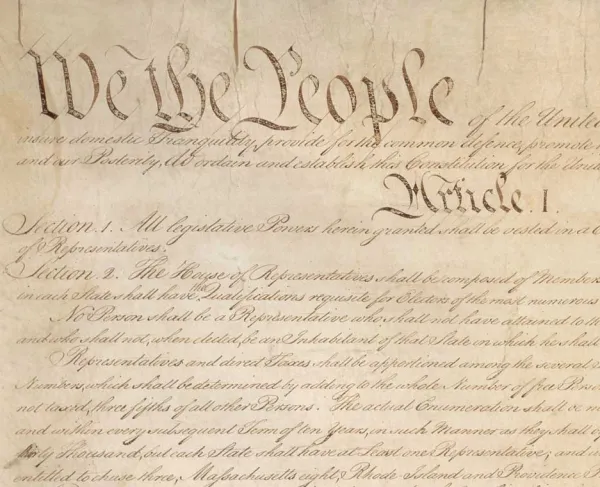
The Declaration of Independence is one of the founding and most fundamental documents of the United States. On July 4, 1776, during the American Revolution, the Second Continental Congress adopted the famed document drafted by Thomas Jefferson that pronounced the independence of the thirteen states, previously the Thirteen Colonies.
The Declaration was adopted at a point in time when Congress had determined that their grievances against Great Britain were irreconcilable and the majority in Congress agreed that independence was the best solution. It came as a reaction to years of injustices waged by Great Britain that served to unify the Thirteen Colonies together under mutual frustrations. With Congress’ adoption of the Declaration, unity was felt throughout the colonies, and the Thirteen Colonies took an important step toward becoming the United States of America.
The Revolutionary War continued for seven more years after the Declaration of Independence was signed. The independence of the new nation had to be defended and won on the battlefields.
Featured Content

Who Were the Signers of the Declaration of Independence?
The Path to the Declaration
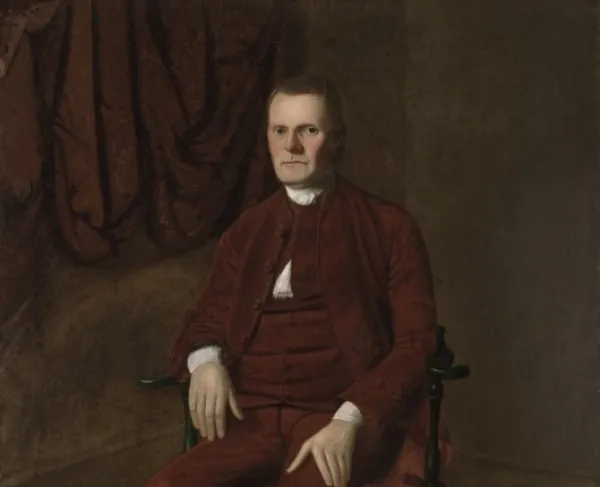
Roger Sherman
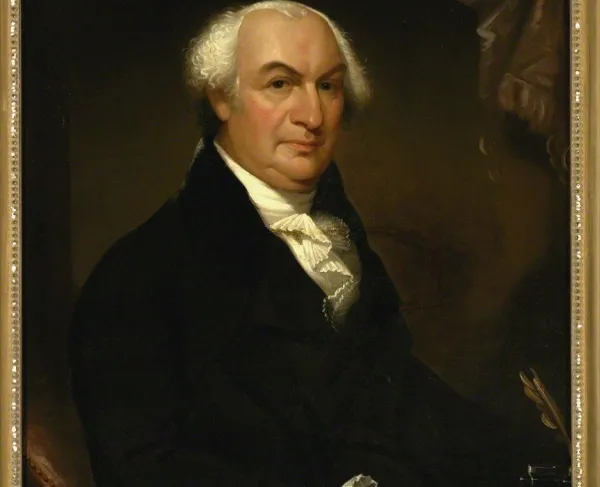
Gouverneur Morris
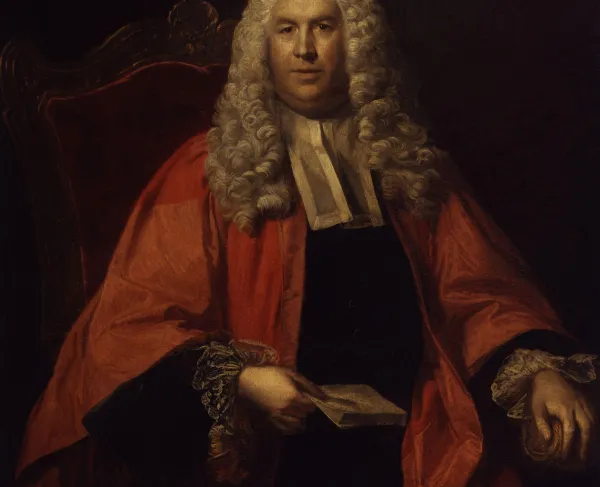
William Blackstone