Chesapeake, VA | Nov 15, 1775
Enraging the Patriots when he took all the gunpowder stored in Williamsburg, Royal Governor Lord Dunmore evacuated from the Virginian capital aboard the Fowey in June 1775. Lieutenant General Thomas Gage, the Commander-in-Chief of British forces in North America, ordered two companies of the 14th Regiment of Foot to be sent to Dunmore to help reestablish control of the colony. Moving to Norfolk in July, Dunmore and his growing army began targeting local Patriots.
The local militias, caught off guard by Dunmore’s sporadic attacks, surrendered every time. Therefore, to confront Dunmore and the loyalists, the 2nd Virginia Regiment and Culpeper County Minutemen under Colonel William Woodford left Williamsburg for Norfolk on November 7. They were joined a few days later by the North Carolina militia coming up the Elizabeth River. For the previous month, they had been arming and preparing for action. Now they were ready.
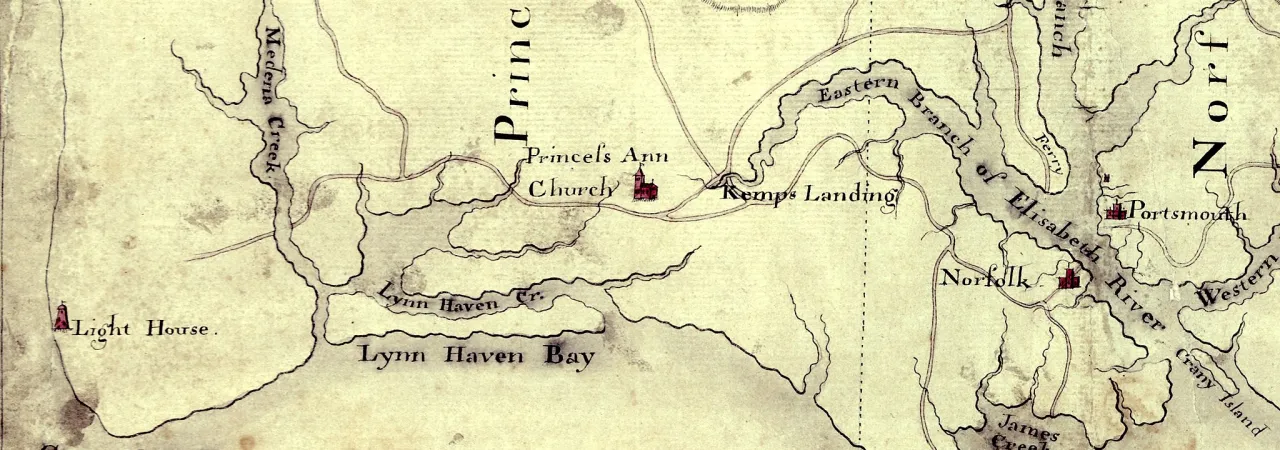
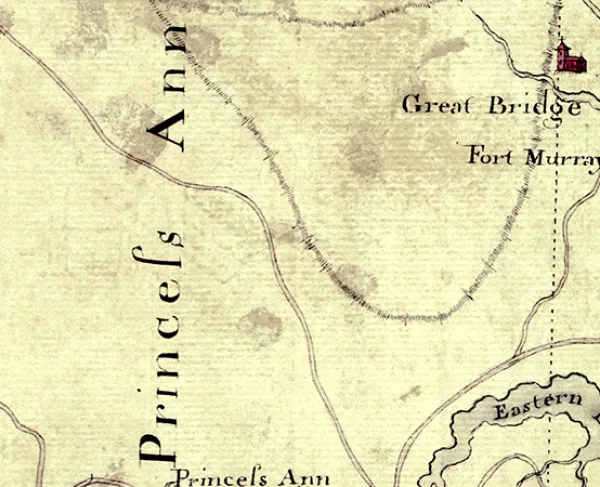
Dunmore ordered his troops under Captain Samuel Leslie to Great Bridge, where he expected to find the North Carolinians. The British forces included regulars of the 14th Regiment of Foot, the Queen’s Own Loyal Virginia Regiment, and the Ethiopian Regiment. Having no luck, he returned to Kemp’s Landing on November 15, where the local Princess Anne militia under Colonel Joseph Hutchings, numbering between 170-300 men, initiated an ambush. Dunmore’s smaller but more professional force of about 100 men quickly returned fire, killing at least five and scattering the militia. Only one British soldier was wounded. Hutchings was one of the at least 18 men captured, ironically by someone he had formerly enslaved who had defected to the British cause.
The battle only lasted less than an hour, but its implications reshaped the war. After the battle, over one hundred militiamen pledged an oath of allegiance to Dunmore, claiming the rebels forced them to fight. Most importantly, after securing control of Kemp’s Landing and hoisting the King’s standard, Dunmore read his now famous Proclamation, instituting martial law in the colony and calling upon enslaved people under Patriot owners to join the British cause. Dunmore’s Proclamation would become infamous throughout the colonies, converting many enslavers to the Patriot cause.
In the meantime, patriot forces under Colonel Woodford and Colonel Scott regrouped and strengthened in Great Bridge, where a battle with British Captain Leslie’s forces on December 9 ended in a resounding Patriot victory. The British, after losing Norfolk, burned it to the ground on January 1, 1776. Woodford, wanting to punish the highly loyalist town, aided in the burning and sacking. On August 7, 1776, Lord Dunmore and his fleet left Virginia, heading for New York.
Kemp's Landing: Featured Resources
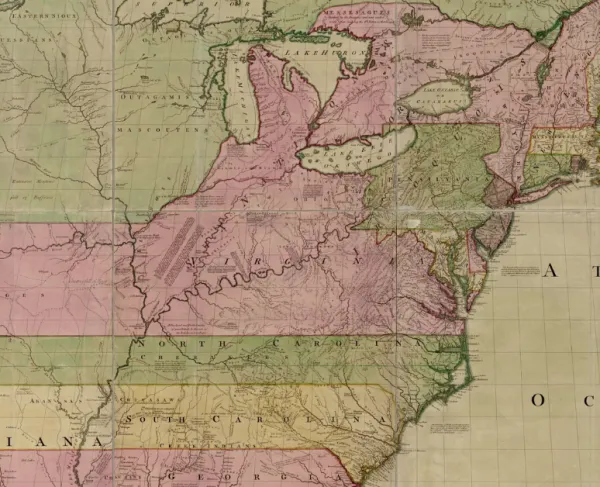
All battles of the Southern Theater 1775 - 1779 Campaign
Related Battles
100
170
1
17