Cooch's Bridge
Newark, DE | Sep 3, 1777
The Battle of Cooch’s Bridge, also known as the Battle of Iron Hill, was the only major battle on Delaware soil. Fought on September 3, 1777, it was the first battle of the Philadelphia Campaign, and according to some traditions, the first battle in which the United States flag was flown.
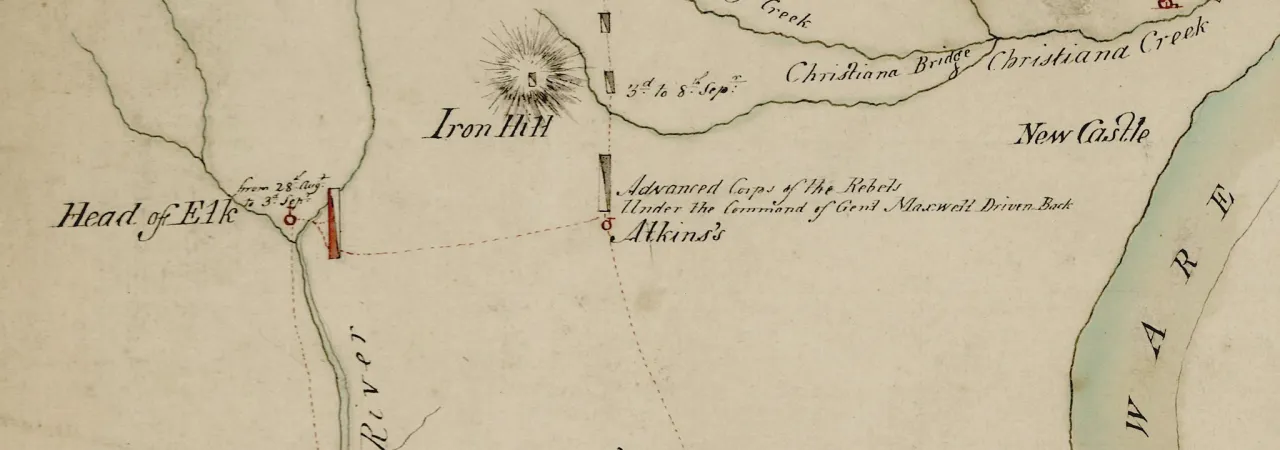
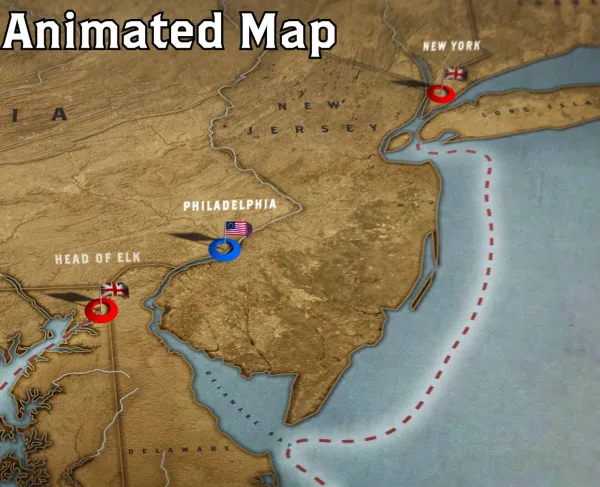
British Lieutenant General William Howe planned to capture the Revolutionary-era capital of Philadelphia and force the Americans into a swift surrender. Deciding to take a sea route to the city, he made plans to move through the Chesapeake. On August 25, 1777, he landed with 18,000 soldiers at the mouth of the Elk River in Maryland, about fifty miles from Philadelphia. With a force consisting of mostly British light infantry and Hessian Jagers, Howe reached Head-of-Elk (modern day Elkton) on August 28 and captured nearby Gray’s Hill.
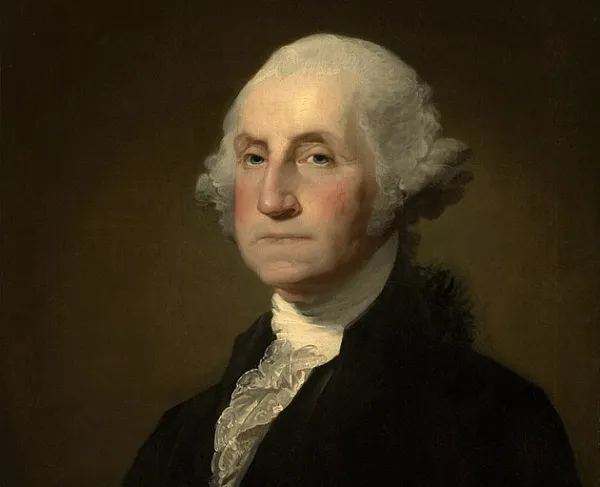
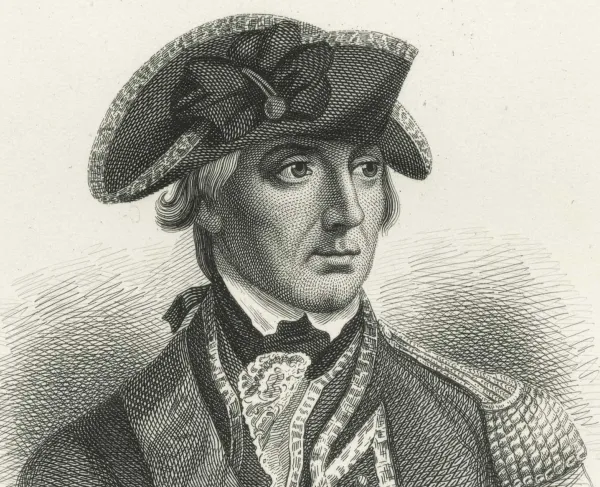
A mile away on Iron Hill, a short distance south of Newark, Delaware, General George Washington assembled 700 light infantrymen (including future Supreme Court Chief Justice John Marshall). Joined by 1,000 Pennsylvania and Delaware militiamen and the overall command of Brigadier General William Maxwell, the American forces positioned themselves to protect the hill and nearby Cooch’s Bridge. The two hills were so close that both Howe and Washington could literally see their opponent observe and size up his forces. Major General Nathanael Greene suggested advancing the entire Continental Army to Washington’s position, thinking the Christiana River would make for an ideal defensive position. Washington declined, directing Greene and his forces to fortify Wilmington.
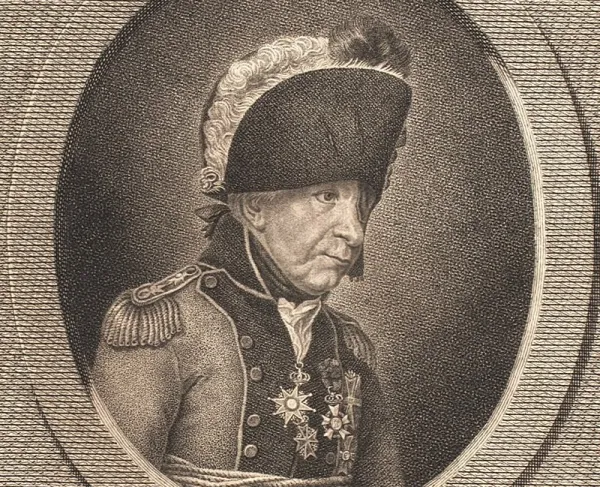
On September 2, the British began moving. Hessian Lieutenant General Wilhelm von Knyphausen moved the army’s right wing southward while the left, under Major General Charles, Lord Cornwallis moved westward. The two wings would rendezvous at Aiken’s Tavern (modern day Glasgow, Delaware), but bad roads and sickly soldiers put Knyphausen behind schedule. The next morning, Cornwallis decided to press on without him.
At about 9 a.m. on September 3, a small company of Hessian dragoons under Captain Johann Ewald, advanced ahead of the main army toward Cooch’s Bridge. They were ambushed by Maxwell. Quickly alerting the rest of the army, the Jagers came to Ewald’s aid. Noticing the number of Americans on Iron Hill, Howe decided to clear it out. Sending forward Lieutenant Colonel Ludwig von Wurmb, Hessian and British forces advanced head on toward the American lines. Seven grueling hours of combat followed. The Americans, out of ammunition, were forced to retreat across Cooch’s Bridge. Howe commanded his troops to follow. While the 1st British Light Infantry Battalion got stuck in the swampy Christiana River, the Second managed to reach the bridge. With the Jagers already there, they pushed the Americans back, forcing Maxwell to retreat.
40
20
After the battle, Howe quartered in Cooch’s house and Iron Hill for five days. Washington, certain Howe would continue through Wilmington along the main road to Philadelphia, decided to fortify the city. Instead, Howe began moving his army north through Newark and Hockessin, crossing into Pennsylvania on September 8. Washington, seeing Howe’s new plan, rushed north to find a new defensive position, and settled on the banks of Brandywine Creek. On September 11, 1777, the two armies would clash at the Battle of Brandywine, a resounding British victory that allowed them to occupy the American capital.
The casualties at the Battle of Cooch’s Bridge are disputed, but most reports agree that there were about 20-30 British casualties to at least 40 American. It is also contested whether the new stars and stripes flag was actually flown during the battle. While the new American flag was adopted on June 14, 1777, there is little reason to believe that the Maxwell’s militias would fly it over their own colors. Therefore, while definitely possible, the claim is still doubted.
Cooch's Bridge: Featured Resources
All battles of the Philadelphia Campaign
Related Battles
40
20