Alexander Lillington

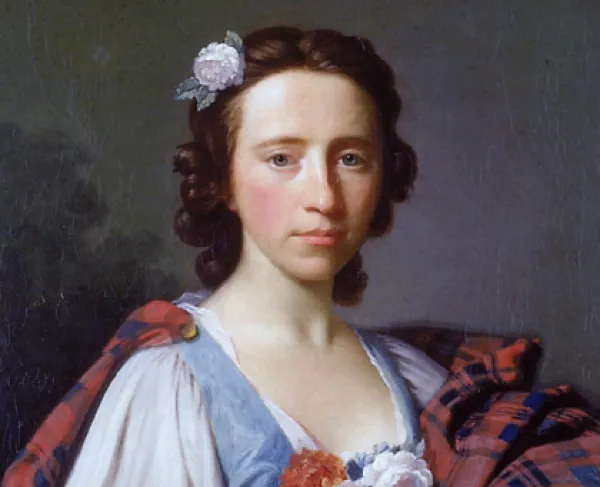
The Lillington Family resided in the Carolina colony since the mid-1600s. Born around 1720 in Beaufort Precinct, John Alexnder Lillington was the son of John and Sarah Porter Lillington. (It appears that he dropped his first name and used Alexander as his given name for most of his life.) Orphaned at a young age, he lived with his uncle and legal guardian, Edward Moseley, in Cape Fear.
In 1748, Lillington—as a lieutenant in the local militia—helped to defeat an attempted Spanish invasion at Brunswick. He also served in the Colonial Assembly in 1762, representing New Hanover County. He was justice of the peace for various years in the 1760s and early 1770s, and he held other county commissioner roles in the same time period. He married Sarah Watters, and they had four children—two sons and two daughters. He owned a large plantation and according to a 1763 tax list, twenty-two enslaved people lived and labored on the property. Lillington collected books, and his library survived war and time, eventually preserved in the North Carolina Collection at Chapel Hill.
Lillington joined with other county leaders to oppose the Stamp Act and suggested to Governor Tryon that commerce restrictions along the Cape Fear River should be lifted. Even as he sided with the Whig Party in resisting taxes, Lillington supported Governor Tryon during the Regulator War. He served as a lieutenant colonel and then promoted to colonel; during the campaign to the Battle of Alamance, Lillington was assistant quartermaster.
A few years later, though, he firmly supported the Whigs and helped form New Hanover County’s Committee of Safety in 1775; that same year he attended North Carolina’s Provincial Congress in Hillsborough in August. Given command of a minutemen battalion near Wilmington, Lillington joined forces with other Whig militia to oppose the Loyalists marching toward the coast and rallying to the British governor’s call early in 1776.
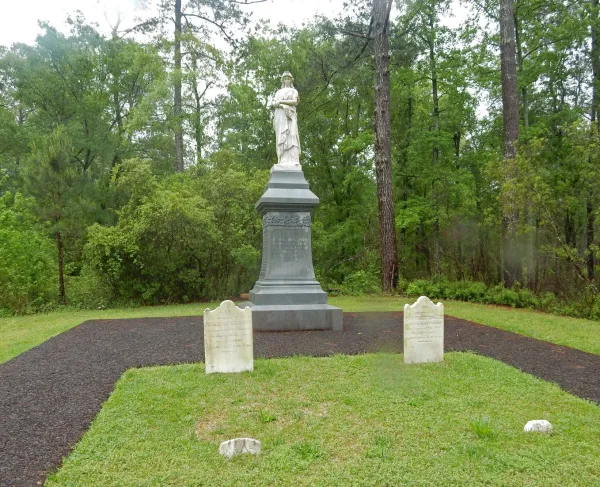
Operating under James Moore’s command and in coordination with Richard Caswell, Lillington and his troops maneuvered to block the Loyalists. He arrived first along Widow Moore’s Creek and started preparing earthworks near a bridge. Joined by Caswell and other troops, Lillington led his soldiers in the Battle of Moores Creek Bridge in the dark morning hours of February 27, 1776. The short, fierce battle resulted in an American victory and the Loyalists retreated. The battle marked one of the early and much-needed victories for the Patriot cause in the Revolutionary War.
On April 15, 1776, Lillington received the state congress’s appointment to command the 6th Regiment of North Carolina Continentals. His service with this unit was brief, with a resignation in December 1776. Instead, Lillington turned to actively supporting the cause for independence in the political scene, representing his home county.
As the shifting British strategy put the southern colonies in the crosshairs of war, Lillington returned to military service. In February 1779, he had been made a militia brigadier general in Wilmington. The next year as the British closed in on Charleston, South Carolina, he took the militia to support General Benjamin Lincoln and the Americans in the Palmetto State. Fortunately for Lillington and his North Carolinians, their enlistments ended and about half (with their general) returned home before Lincoln was forced to surrender. Back near Wilmington, Lillington faced Loyalist partisans who raided and fought a divisive war.
Throughout the conflict, General Lillington’s son, John, served alongside his father and attained the rank of colonel. Some accounts note that both father and son wore silver crescents engraved “Liberty or Death” on their hats.
When the Revolutionary War ended and American independence was secured, Lillington returned to his home, Lillington Hall, which had escaped British burning. He died in April 1786 and was buried in his family’s cemetery.
In the decades following his death, debate and controversy surrounded whether Lillington or Caswell or Moore should receive the most credit for the victory at Moores Creek Bridge. Ultimately, all three commanders had worked together for the success that is remembered and monumented on the battlefield.

Related Battles
2
50