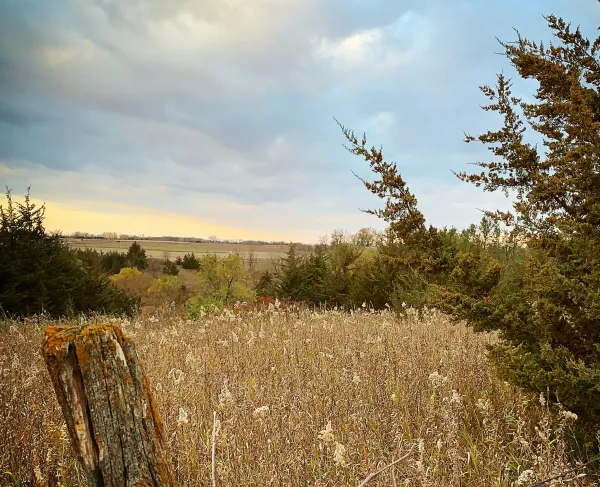
Wood Lake
Yellow Medicine County, MN | Sep 23, 1862
In 1851, the United States forced the cession of 24 million acres claimed by the Santee Sioux in Minnesota. In addition to giving up their native lands, the Sioux moved onto a reservation along the Minnesota River. Over the course of the next decade, appointed traders swindled the Santee out of funds and provisions. The ill treatment and broken promises on the part of the government finally boiled over in August 1862 when Santee warriors attacked a party of whites near the Lower Sioux Agency. This action initiated the Minnesota Sioux War or Dakota War of 1862.
Responding to the threat, Minnesota governor appointed Col. Henry H. Sibley to put down the uprising. While the attacks continued, Sibley consolidated his command at Fort Ridgely in anticipation of launching a campaign against the Sioux, led by Little Crow. Ultimately, Sibley's force consisted of elements from the 3rd Minnesota, 6th Minnesota, 7th Minnesota and 9th Minnesota Infantry supported by civilian auxiliaries. Sibley moved out in search of the Santee in the middle of September.
Sibley reached Lone Tree Lake on September 22. Early the next morning, Little Crow's force of 700, moving in three columns surprised one of Sibley's foraging parties. The warriors soon gained the upper hand and began pressing the Minnesotan's flanks. Sibley quickly rushed in reinforcements that helped stabilize his position. The engagement then settled into a pitched firefight with neither side able to gain ground. Unable to make a breakthrough after two hours of fighting, Little Crow's warriors broke off the fight and disappeared onto the prairie.
Sibley's victory at what became known as the Battle of Wood Lake, a lake located several miles from the battlefield, broke the spirit of the Santee. Many, including Little Crow, moved west into Dakota Territory. Little Crow died the following July while attempting to steal horses in his homeland of Minnesota. Thirty eight other Sioux men were tried and executed at Mankato, Minnesota. Others who survived were forced farther west by the government, effectively sowing the seeds for future conflicts with the Sioux in the post-Civil War years.
Wood Lake: Featured Resources


Related Battles
1,619
700
41
15