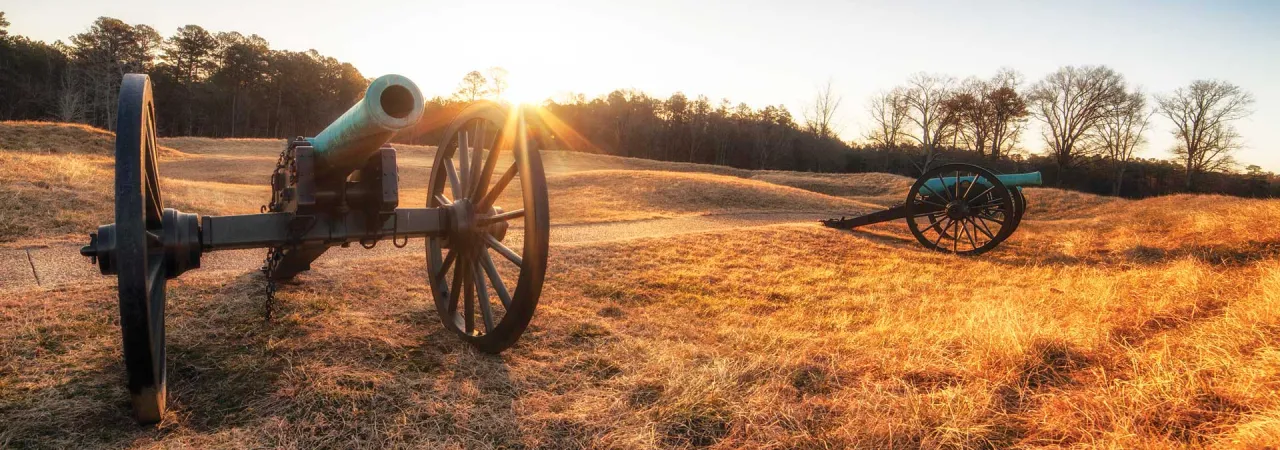
Petersburg Breakthrough Battlefield, Va.
Save 417 Acres at the Breakthrough
Campaign Update January 2026: Victory Achieved
We did it. Thanks to the incredible generosity of our supporters, the campaign to preserve 417 acres at Pamplin Historical Park is complete. Together, history lovers from across the country raised more than $659,000, securing one of the largest and most significant battlefield preservation efforts in American Battlefield Trust history. This irreplaceable land is now protected forever.
If you were part of this effort — thank you. Your support made a lasting difference, ensuring this historic landscape remains a place of learning, reflection, and honor for generations to come.
For those who would still like to give, contributions are still welcome and will support our ongoing preservation work . As a limited-time thank you, all gifts of $68 or more will receive a special preservation edition of Edward S. Alexander's Dawn of Victory: Breakthrough at Petersburg, March 25–April 2, 1865.
History is preserved — and the work continues. Stay tuned in the coming weeks as we share exciting news about what comes next.
The Opportunity
Through the purchase of 417 acres at Pamplin Historical Park, the Trust has the rare chance to create an 857-acre unified battlefield park that boasts some of the best-preserved Civil War earthworks (fortifications) in the country.
Connecting to hundreds of acres previously acquired by the Trust, the Pamplin campus includes historic trenches, Civil War-era buildings, a monument honoring Medal of Honor recipient Captain Charles G. Gould, the “First Man Over the Works,” and an acclaimed living history museum that showcases the experience of ordinary Civil War soldiers.
Although now controlled by a preservation-minded private owner, the land remains zoned for industrial and commercial development and without the ironclad modern legal protections that Trust ownership will bring. Not even having been named a National Historical Landmark offers it any form of irrevocable protection. As open space across the region is gobbled up by warehouse distribution complexes and massive data centers, this vulnerability is a risk we cannot afford.
But with your help today, we can make sure this park is permanently protected, ensuring that it is never snapped up by developers. And that, through creation of the Breakthrough Battlefield Foundation, the National Museum of the Civil War Soldier continues seamless operations in perpetuity.
A funding match has already been secured. Only $660,000 remains to unlock permanent protection. Every dollar contributed will be multiplied 17-to-1, turning $100 into $1,700 in preservation power.
Continue reading for more details on this historic opportunity or visit our Frequently Asked Questions page.
The History
The Breakthrough at Petersburg stands among the most significant events of the American Civil War — and of the nation's history. This was no ordinary battle. It was the culmination of a 292-day siege in which Union and Confederate forces were locked in brutal trench warfare, marked by attrition, hunger, and unrelenting artillery fire.
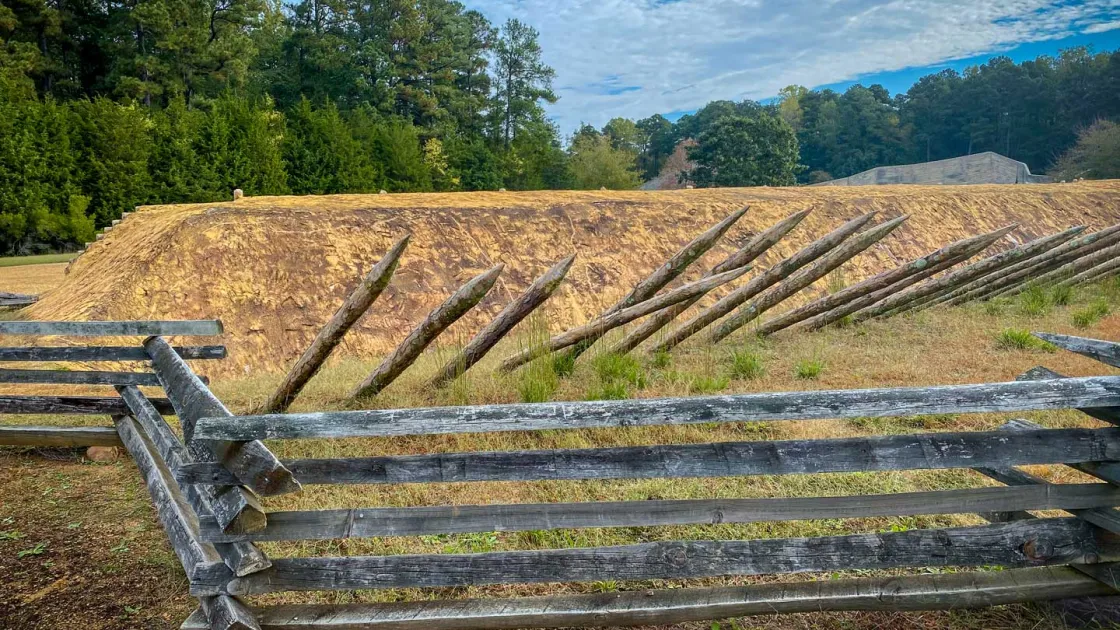
From June 1864 to April 1865, the Petersburg Campaign drained the Confederacy of its remaining strength. The region became a complex landscape of earthen fortifications, supply lines, and battle-scarred farmland. As the noose tightened around Richmond, Confederate General Robert E. Lee was forced to make increasingly desperate decisions. By April 1, the Southside Railroad had been cut off — one of the last lifelines for Lee’s retreat and resupply.
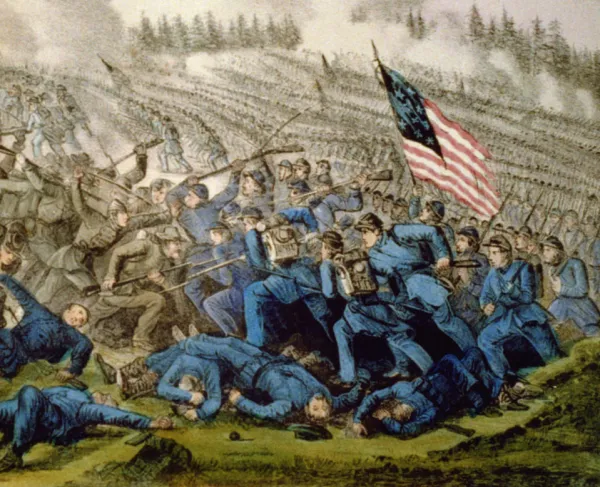
The decisive moment came on April 2, 1865. In the predawn darkness, Union artillery unleashed an unprecedented bombardment across Confederate defenses. At daybreak, troops under General Horatio Wright and General John Parke advanced through smoke and cannon fire. At Fort Mahone—nicknamed “Fort Damnation” — roughly 3,600 Confederate soldiers resisted the attack with rifle volleys and double-canister shot. Still, Union troops climbed the muddy embankments, stormed the trenches, and engaged in close combat.

Among them was Captain Charles G. Gould of the 5th Vermont, who would later be recognized as “The First Man Over the Works” and awarded the Medal of Honor. In all, 27 Medals of Honor were awarded for actions on this property, with an additional four earned on ground previously protected by the Trust from which their charge originated.
This was no ordinary skirmish. The success of the Union assault at The Breakthrough forced Lee to send a desperate message to Jefferson Davis that he could "hold his position no longer." The Confederate capital fell the next day. Within a week, Lee surrendered at Appomattox.
Get answers to your questions about this historic opportunity »
Preserve the Legacy
This a rare Civil War landscape where the terrain, history, and memory remain united. Losing it to industrial and commercial development would sever the connection between past and present, and eliminate a vital place of learning, reflection, and honor.
The land we are now permanently protecting is where that turning point unfolded. It holds:
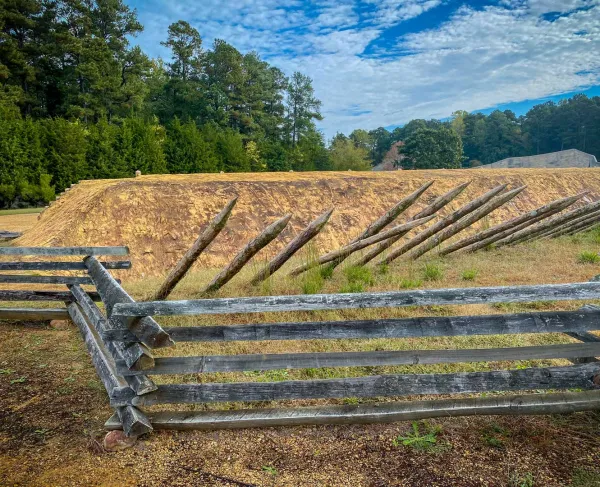
- Some two miles of pristine original trench lines carved by soldiers.
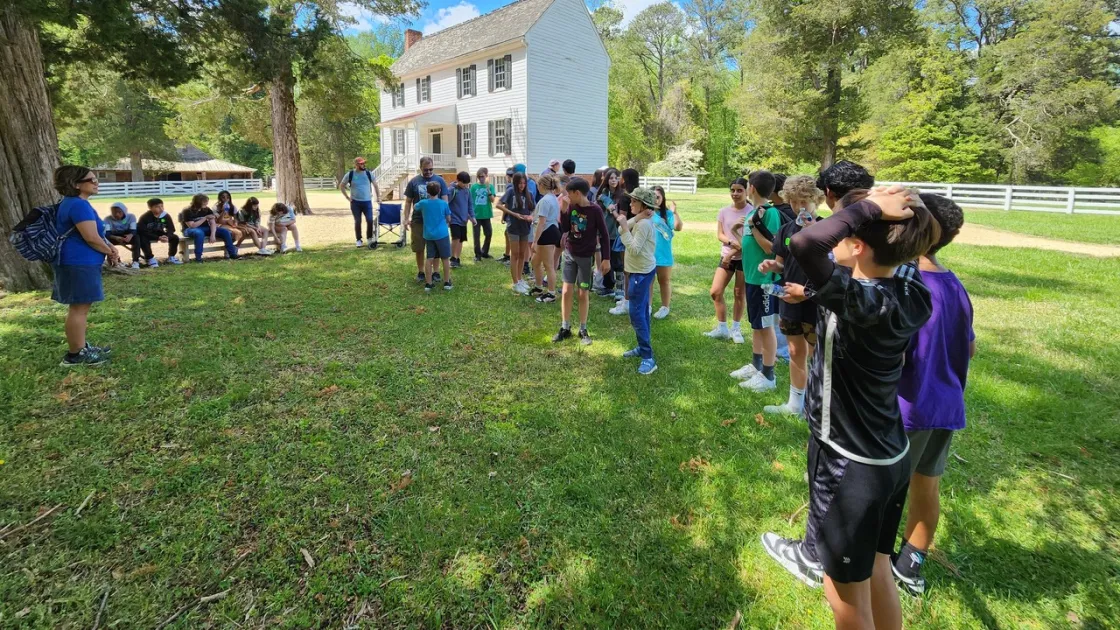
- Intact Civil War-era buildings and farmland.
- A Medal of Honor monument honoring unmatched bravery.
- An acclaimed and innovative museum that will continue operations uninterrupted under our management arrangement with the Breakthrough Battlefield Foundation.
The land at Pamplin Historical Park is more than an open field — it is a living classroom, a place where visitors can walk in the footsteps of history and understand the price of freedom. Losing it would mean erasing a chapter that cannot be rewritten.
This is a chance to ensure future generations can continue to learn, explore, reflect and remember — on the very ground where American unity was forged. Donations are fully tax-deductible and every dollar will be multiplied 17-to-1 through available grant funding.
Get answers to your questions about this historic opportunity »
Receive the Trust's Special Edition of Dawn of Victory
Explore This Opportunity
American Battlefield Trust & Pamplin Park Announce Campaign to Preserve Breakthrough Battlefield
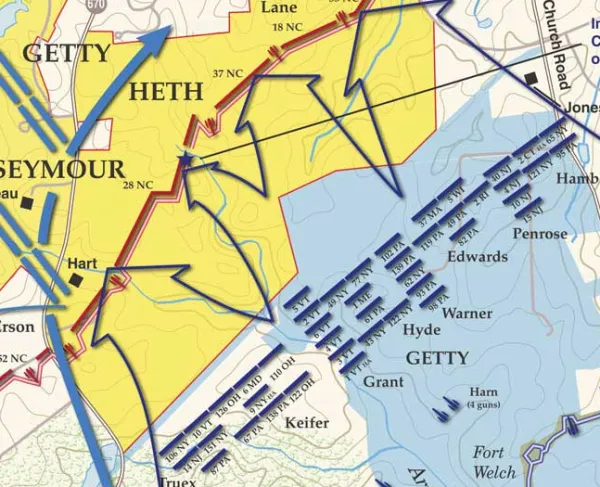
Petersburg | The Breakthrough | Apr 2, 1865