The (Un)Changing Face of “Blast”
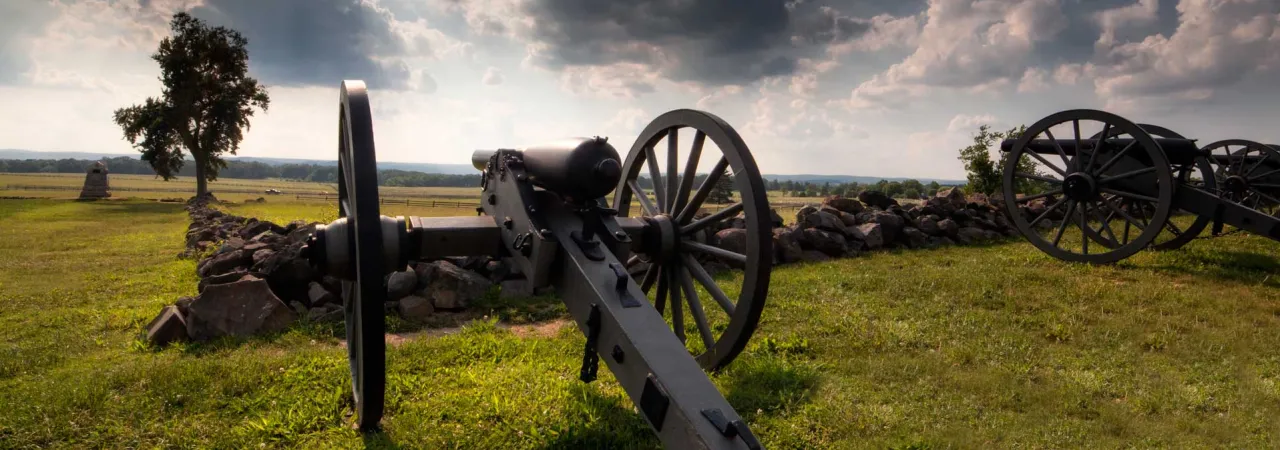
It was 1:00 pm on July 3, 1863. Confederate General Robert E. Lee, encouraged by General James Longstreet’s success on the Union left the day before, ordered an assault on the Union center. Preceding the infantry attack would be a massive artillery barrage intended to blast the Union artillery and infantry occupying Cemetery Ridge, the focal point and objective of the Confederate infantry assault. General William Pendleton positioned his 172 cannons directly in front of the woods along Seminary Ridge, the jumping-off point for the 15,000 Confederate soldiers who would assault the Union position, most prominently led by General George Pickett’s 4,500-man strong division.
At 1:00 pm, Pendleton’s artillery field commander, General Edward Alexander’s guns released their massive bombardment. An experienced 10-man crew could fire two rounds per minute. Thus began the greatest artillery attack in history, reportedly heard some 150 miles away. On the Union side, Major General Henry Hunt commanded 220 cannons. Fearing that matching shot for shot would exhaust his supply of shells, and to trick the Confederate artillerists into believing they had knocked out their Union counterparts, he slowed the Union rate of fire. Following the 90-minute artillery duel, but unaware that the Confederate cannonade had been largely ineffective, Longstreet ordered the infantry to advance.
Fast forward 163 years to the Middle East, and a war no longer fought with concentrated artillery, but with drones, rockets, and missiles capable of striking far behind the front lines. Defense Department records report that over 600 casualties have been suffered by American troops since the beginning of the Iranian conflict, even in the absence of any ground assault. Of the wounded, almost half have sustained head trauma, frequently without outward physical sign of injury. And as retired Army Lt. General Eric Shoomaker, an expert on military traumatic brain injury who previously served as Army surgeon general, recently told The War Horse, such invisible wounds “turn out to be much more catastrophic than we ever thought it would be.”
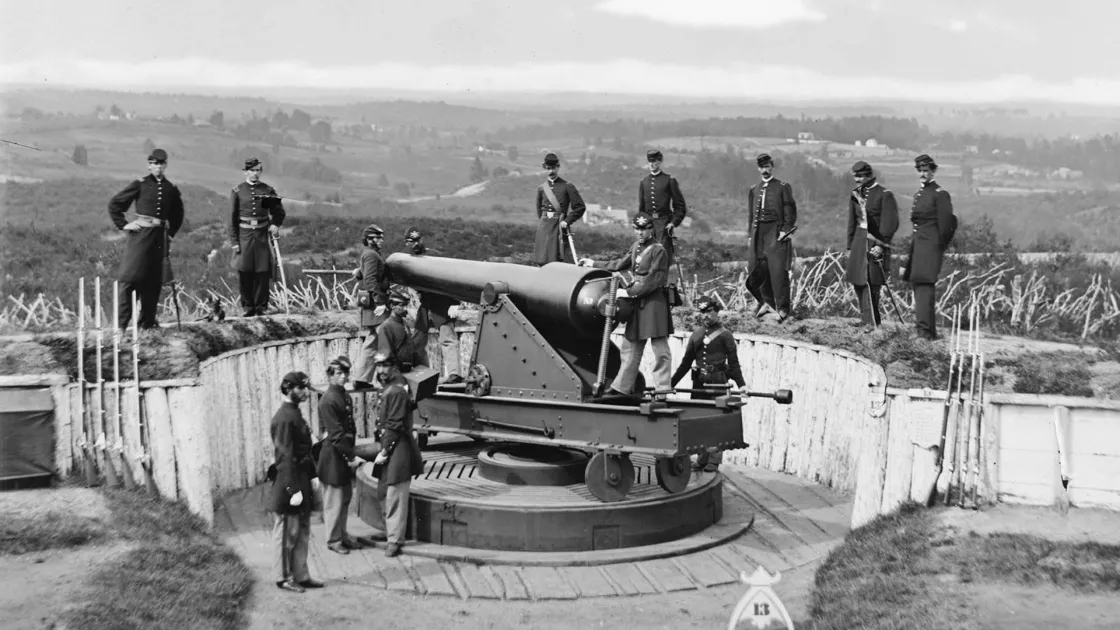
Union gun crew poses around a 100 pounder Parrott Gun at Fort Totten.
Library of CongressMany things have changed on the battlefield, but some have not. Exposure to blasts and intense concussive events have been and remain pervasive. A single Civil War smoothbore Napoleon field gun or 2.9” Parrott Rifle produced a sound wave of up to 140 decibels at firing, sufficient to reach the absolute threshold of pain for the human ear. It is hard to imagine the invisible brain trauma that gun crews experienced at Gettysburg, injuries that were never diagnosed or recognized as war wounds. Fortunately, it is now understood that acute or repetitive exposure to blast, whether sustained in combat or, even more frequently, in training, often results in an invisible brain injury, now considered the “signature wound of modern warfare.”
Despite that progress, there still exists no medically accepted in vivo diagnostic, other than through cognitive observation, to detect a traumatic brain injury resulting from blast. Therefore, there is no standard of care or accepted treatment, nor preventive interventions, for these injuries. Since the commencement of the Global War on Terror, 25 years ago, the defense health agencies report that more than 530,000 traumatic brain injuries (TBIs) have been observed in active-duty warfighters and veterans, and it is likely that many times that number have gone unidentified and untreated.
The Defense Department and defense health agencies have spent decades and billions of dollars to underwrite hundreds of studies attempting to understand the issue, but the vast majority of these efforts have been focused on post-injury treatment, not on discovering the biological and physiological causes associated with blast exposure.

In response, the Invisible Wounds Foundation, founded in 2022 by Shannon Finn Connell, has organized the Military Brain Health Collaborative. This initiative brings together leading medical and science researchers, military health agencies, academia, industry, and other stakeholders to create a strategic roadmap to identify and fund the most innovative research on the root causes of these injuries. Once this is understood, effective diagnostics, treatments and preventive measures can be developed.
Traumatic brain injuries resulting from blasts, once the domain of military warfare, have found new victims-civilian populations now being battered daily in Ukraine, Gaza, and other hotspots, by drone and missile attacks. The urgency needed to understand and develop medical solutions for these injuries cannot be overstated. The Invisible Wounds Foundation has accepted this challenge on behalf of our military service members, veterans, and others exposed to the devastating effects of blasts. Learn more about our work at www.invisiblewounds.org.