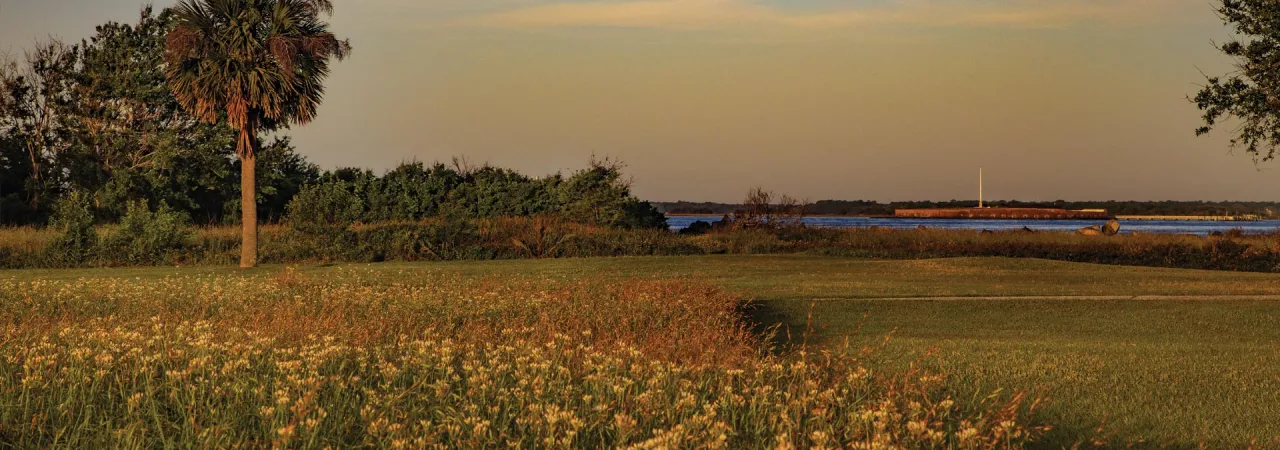
During the months between the opening shots of the American Revolution in April 1775 and the Declaration of Independence in July 1776, several military victories in the southern colonies/states boosted Patriot morale. Often, history books spotlight the events happening in the north. The Battles at Lexington and Concord, Siege of Boston, Battle of Bunker Hill, formation of the Continental Army, capture of Fort Ticonderoga, capture of Montreal, Battle of Quebec and the British approach to New York City have often dominated the historic timeline.
However, some lesser-known military actions in the south consistently blunted British and Loyalist efforts, giving Americans battlefield victories. The Snow Campaign and battles at Ninety-Six, Great Bridge, Moores Creek Bridge and Sullivan’s Island fueled American confidence, emboldening the American cause for independence. They also influenced British strategy and lay the groundwork for future campaigns in 1779-1781.
During the American Revolution, Loyalists or Tories were terms referring to colonists in America who supported continuing British rule and King George III. Whigs referred to colonists unhappy with British taxation and seeking change. In 1775 and the early part of 1776, especially, not all Whigs favored independence from Britian. The term Patriot is sometimes interchangeable with Whig when writing about the Revolution. The period of time during the conflict and before the Declaration of Independence also had colonies in rebellion, but not yet declared states.
Ninety Six was a small courthouse town in South Carolina’s backcountry where Loyalists and Patriots created a divided rural population. As early as June 1775, the two sides seized weapon caches from their neighboring opponents and both sides postered until they agreed to a truce in September. The troubles resurfaced later in the autumn when the colonial government sent a shipment of weapons and ammunition to Ninety Six. Approximately 1,800 Loyalists attacked the Whigs who hunkered into a hastily built stockade. Skirmishing lasted for three days—November 19-21—before another truce. The Whigs still had and protected their cache of weapons. While this Ninety-Six would become the site of more fighting later in the Revolutionary War, this first battle boosted local morale but also had the first bloodshed in South Carolina.
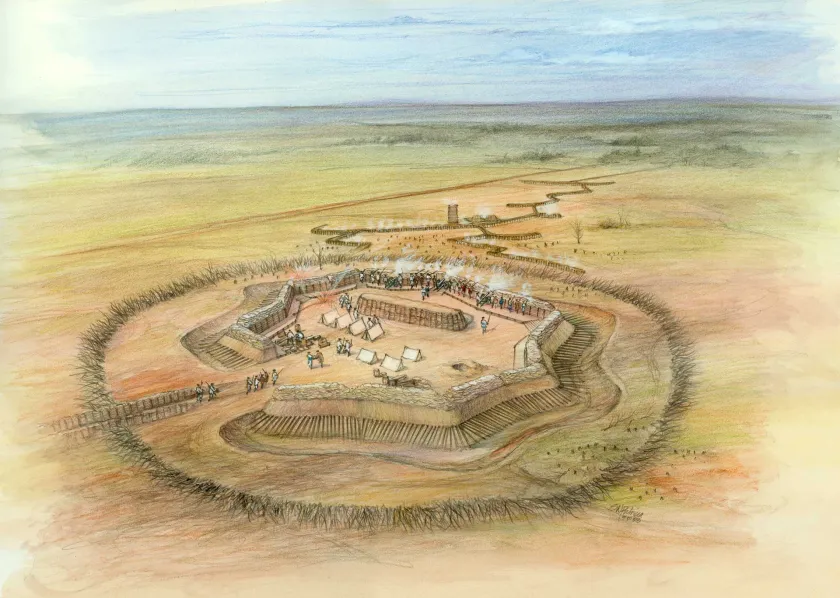
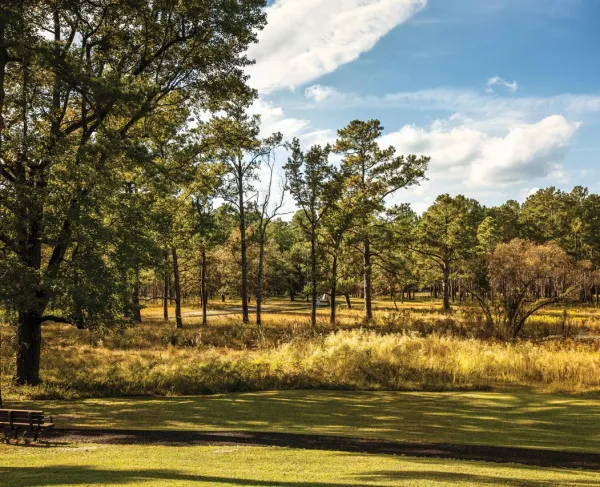
The Star Fort at Ninety Six National Historic Site, S.C.
Artwork by Steve Patricia. Courtesy of the National Park Service.A battle that drew attention throughout the colonies, Great Bridge, Virginia, gave the Whigs an inspiring victory. Though the fight lasted less than an hour on December 9, 1775, it defeated royal governor Lord Dunmore and his assembled Tory force. Dunmore had been forced to leave the Virginia colonial capital at Williamsburg earlier in the early and taken refuge aboard a ship. He rallied an army of Loyalists at Norfolk, including organizing the “Ethiopian Regiment” of formerly enslaved men seeking freedom in the British ranks. Colonel William Woodford brought Whig militia and took position at the south side of Great Bridge. The bridge spanned the Elizabeth River and narrow causeways tracked through the Great Dismal Swamp on either side of the bridge. The British had built Fort Murray on the north side of the bridge, and by December 7, the Patriots blocked access to the south. On December 9, the British positioned cannons and prepared to attack the Whigs across the narrow passages. The Whigs fired on the advancing British who were limited in their movements and had no protecting cover on the causeway and bridge. Driven back with more than 100 casualties, the British abandoned Fort Murray that night. The Whigs reported only one wounded man and triumphantly entered Norfolk a few days later. Lord Dunmore left Virginia, giving the Patriots a stronghold on the colony/state.
A couple of weeks later in South Carolina, the Snow Campaign built off the success at Ninety Six and became the first major military operation undertaken in the southern colonies by the Whig militia. Determine to suppress the Loyalists in the Backcountry, several thousand militiamen assembled with Colonel Richard Richardson marched to locations where Loyalists gathered and arrested their leaders. On December 22, 1775, Whig militia surprised a camp of Loyalists, capturing many and taking weapons and supplies. Called the Battle of Great Cane Brake, there were minimal casualties on both sides in this skirmish. The following day snow began falling, creating hardship for the Patriots as they returned to the coast. The Snow Campaign captured 136 Loyalist leaders, and the Whigs believed they had neutralized the Loyalist threat in the backcountry. (In reality, the Cherokees would soon side with the Loyalists, and the civil war on the southern frontier would be bloody.)
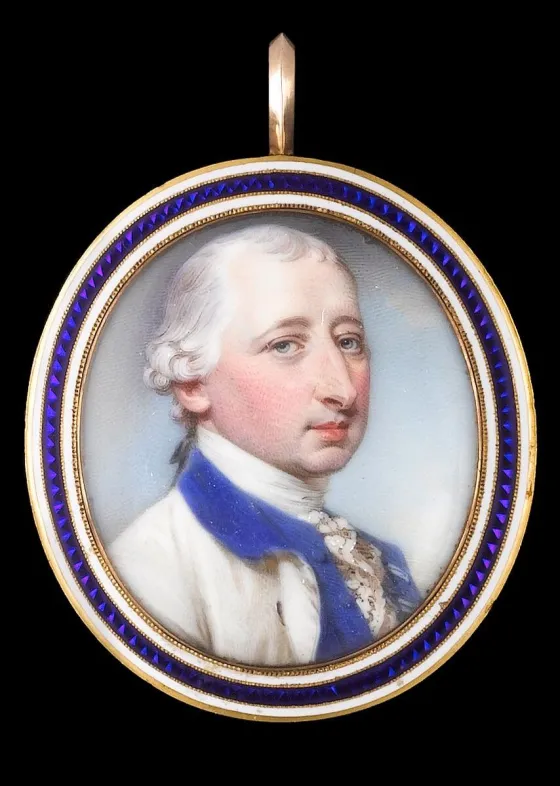
Josiah Martin, by Jeremiah Meyer, before 1771.
Public DomainMeanwhile in North Carolina, Whig militia, minutemen units and local committees of safety also tried to limit Loyalist resistance. The royal governor, Josiah Martin, had joined the accidental trend of southern governors in Virginia and South Carolina: taking refuge aboard a British ship. During the winter of 1775-1776, Martin pulled together the planning for a campaign to recapture North Carolina for British control. Martin persuaded the king’s ministers in England to send an army and fleet to the southern colonies with the promise that he would rally an army of loyalists for mutual operations. This led to a rallying of Loyalists and Scottish Highlanders who started marching toward the coast. Whig militia tried to delay their advance, and a short, sharp fight occurred at Moores Creek Bridge in the early morning hours of February 27, 1776. The battle resulted in heavy casualties for the Loyalists and scattered their force. This Patriot victory was announced and reprinted in newspapers in other colonies, boosting morale as the Continental Army continued through the New England winter and Siege of Boston.
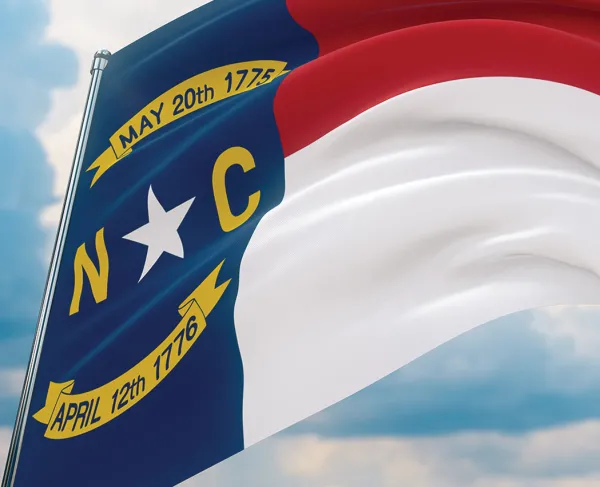
The Battle of Moores Creek Bridge inspired the North Carolina Provincial Congress to adopt the Halifax Resolves on April 12, 1776, which made it the first colony to authorize its delegates in the Continental Congress to vote for independence from Britain. Building on this new turn of political events—from reconciliation with Britain to declaring independence—Richard Henry Lee, a Virginia, introduced the Lee Resolution in the Continental Congress on June 7, formally calling for independence. Debates would follow, and a committee formed to draft a declaration.
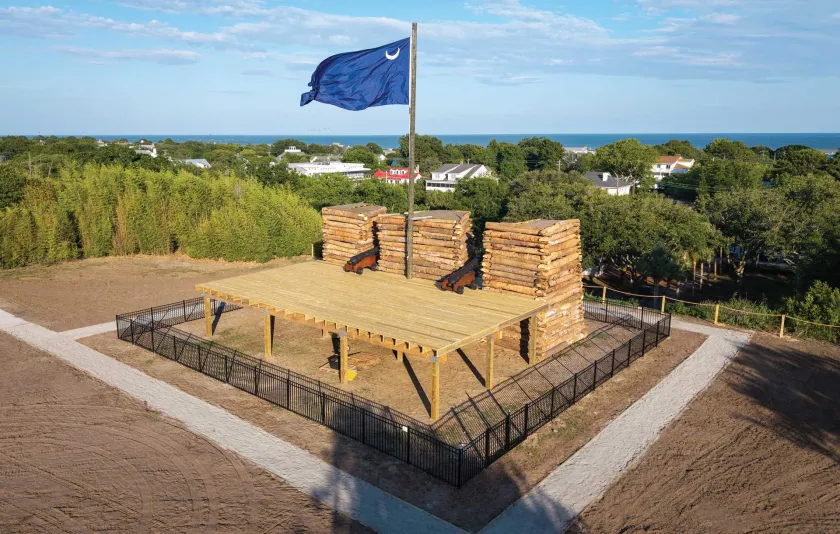
Fort Moultrie, Sullivan's Island, S.C.
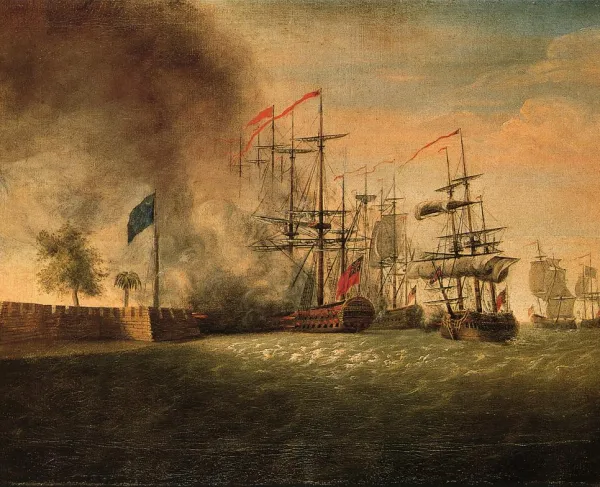
Rob ShenkOne more crucial event came from the southern colonies on the eve of independence. The Battle of Sullivan’s Island, fought on June 28, gave the Patriot cause another victory. After realizing the Loyalist army in North Carolina had been defeated and was not reforming, the British fleet and army went further south, threatening South Carolina. The Patriots constructed a fort on Sullivan’s Island, hoping to protect Charleston. After a day of battle on June 28, 1776, the fort had withstood cannon fire from the British ships. Charleston was saved and the British did not return to that harbor until 1780. Though it took time for the news of Sullivan’s Island to spread to the other colonies, the victory was celebrated around the same time as the announcement of the Declaration of Independence.
These lesser-known battles and skirmishes in the early months of the American Revolution had boosted morale and encouraged delegates to vote for independence. Whig newspapers celebrated the battlefield victories in these fights in the southern colonies. In later comparisons, these were small battles and sometimes barely skirmishes, but they influenced the historical events and gave Americans hopeful victories in the wake of the defeat at Bunker Hill and during the long siege of Boston. Though British governors were afloat and Loyalists threatened or disbanded, the idea that southern royal governors had advanced would linger in British strategic planning for years. The thought that thousands of Loyalists just waited for British army to arrive and that taking back those colonies would be successful greatly influenced campaigns in the later period of the Revolutionary War.
Related Battles
37
220
2
50
1
102

_(cropped).jpg)