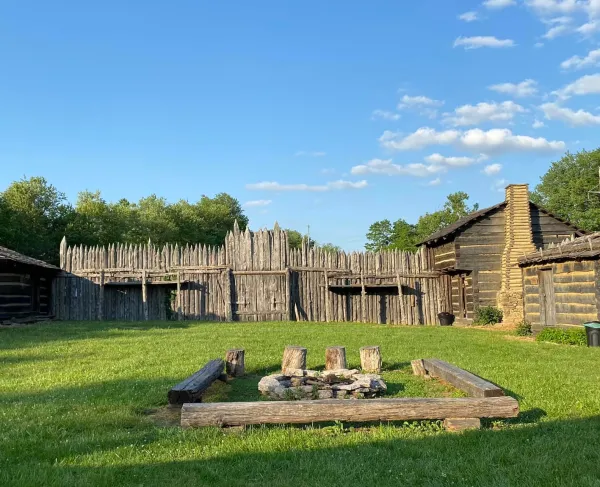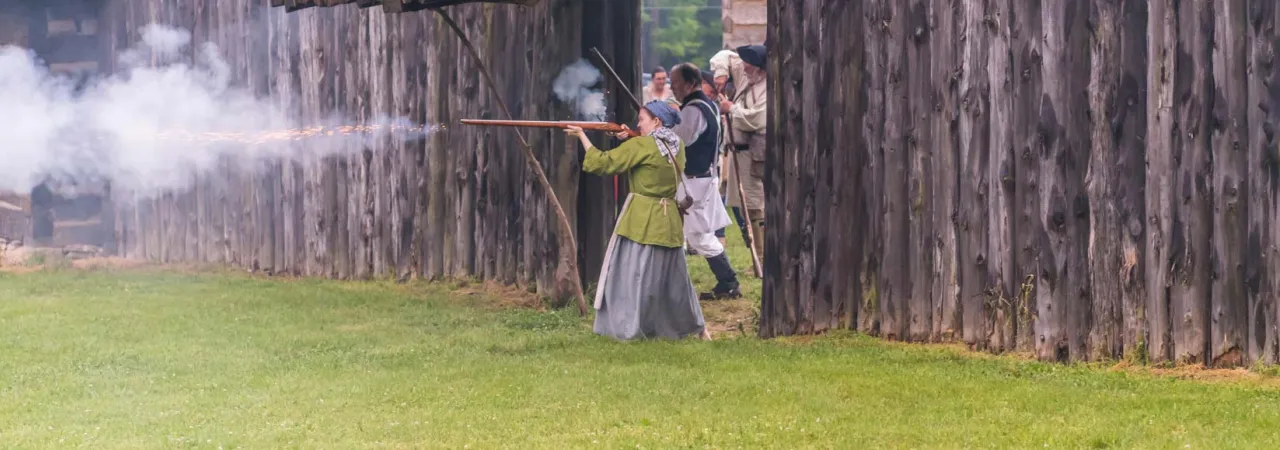
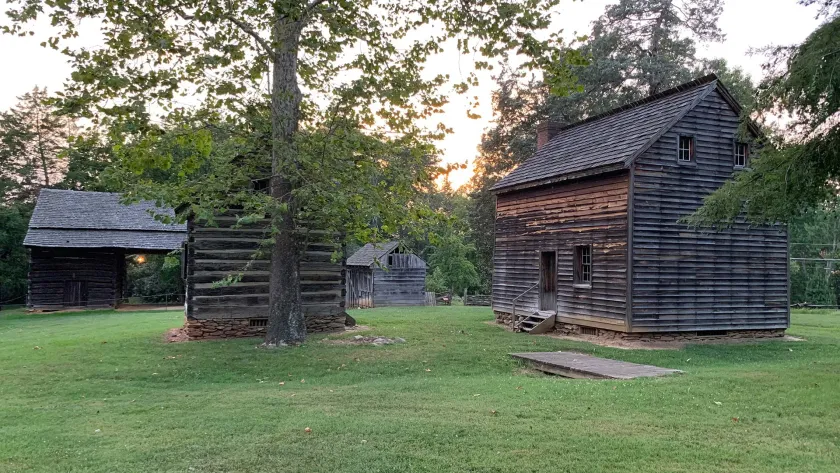
Logan's Fort, Stanford, Ky.
Help Save 326 Acres in Kentucky, New York, South Carolina & North Carolina
250 Years Later: Four Battlefields. Four States. One Nation. One Legacy.
Help save 326 acres of Revolutionary War battlefield land and have your gift matched $74-to-$1!
Right now, the American Battlefield Trust is working to preserve 326 acres across four Revolutionary War battlefields in Kentucky, New York, South Carolina, and North Carolina. With your help, we can ensure these historic landscapes remain protected.
The Opportunity
America's 250th birthday is a once-in-a-generation milestone — and an opportunity to give our nation a lasting gift. The American Battlefield Trust has the chance to preserve four significant Revolutionary War battlefield tracts totaling 326 acres, valued at more than $4.6 million.
Thanks to generous preservation partners, anticipated federal and state grants, and fellow supporters, we need to raise just $62,574 to secure these historic lands.
That means every $1 you give will be matched by $74, multiplying your impact in an extraordinary way.
These acres represent more than open space. They hold the stories of courage, sacrifice, hardship, and determination that shaped the nation we know today. By preserving them, we protect irreplaceable places where future generations can discover and better understand America's founding.
The History
From the western frontier to the Southern Campaign, these four battlefields tell remarkable chapters of America's fight for independence.
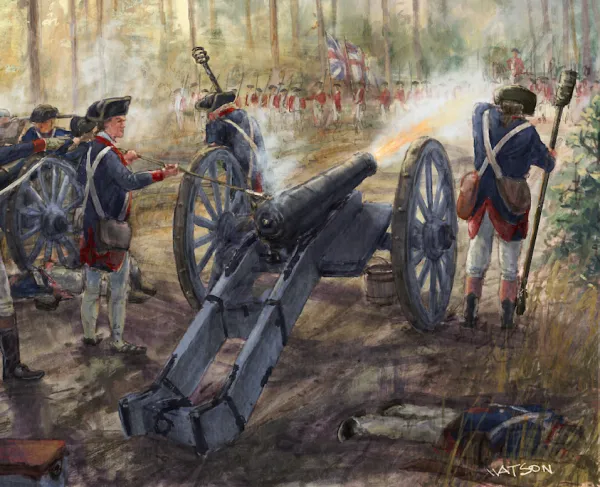
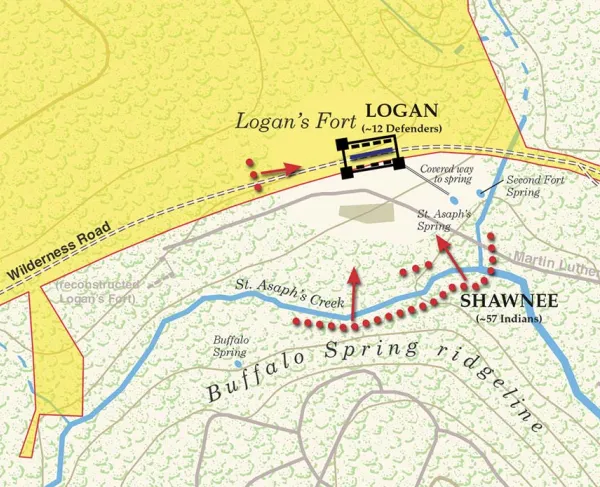
Logan's Fort, Kentucky — 63 Acres
In the spring of 1777, a small group of settlers defended Logan's Fort against an attack by Shawnee warriors allied with the British. Their successful defense helped sustain American settlements west of the Appalachians during a critical period of the Revolution.
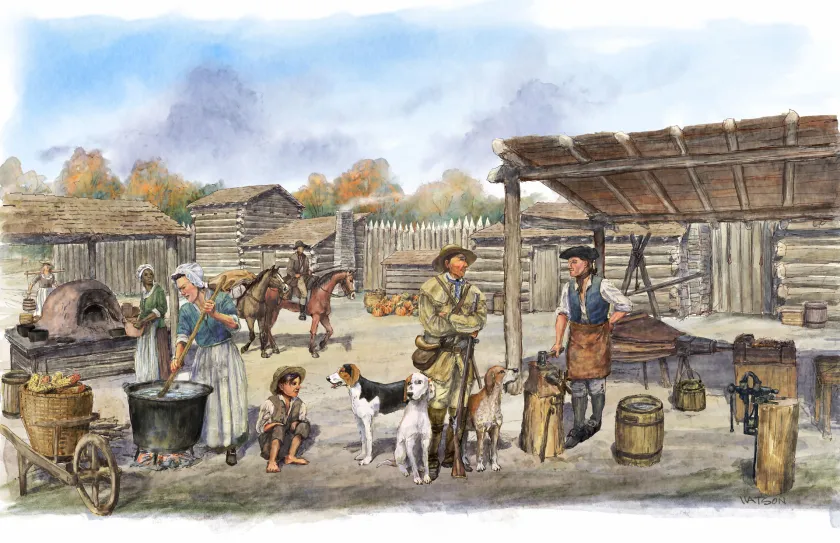
A depiction of daily life at Logan’s Fort in Kentucky during the late 18th century.
Art by Dale WatsonToday, we have our first-ever opportunity to preserve 63 acres associated with this historic site, including archaeological remains of the fort and land believed to hold the remains of fallen warriors. Preservation will also support opportunities to learn more about the people who lived and fought here.
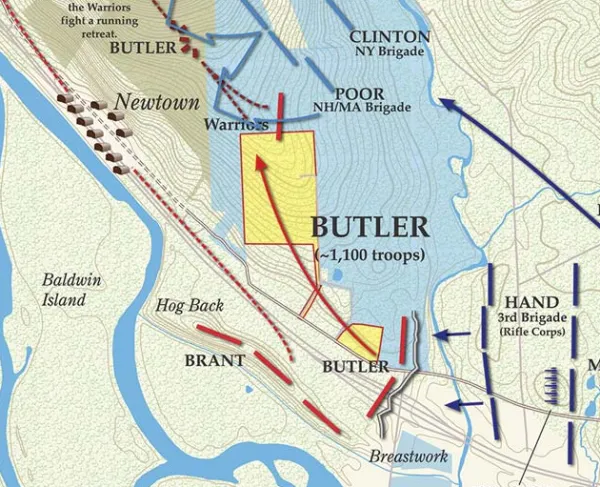
Newtown, New York — 33 Acres
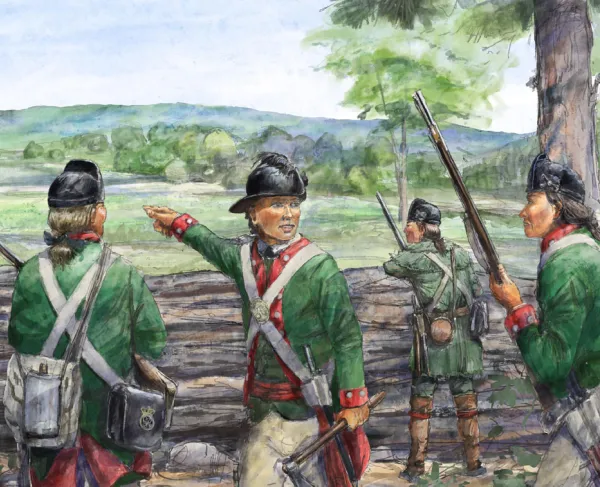
Here, in August 1779, the war took on a very different character. At Newtown, more than 3,000 Continental troops under General John Sullivan advanced against a much smaller force of Native warriors, Loyalists, and British regulars. The Patriots broke apart organized resistance to Sullivan’s campaign and contributed further to the displacement of the Haudenosaunee (Iroquois).
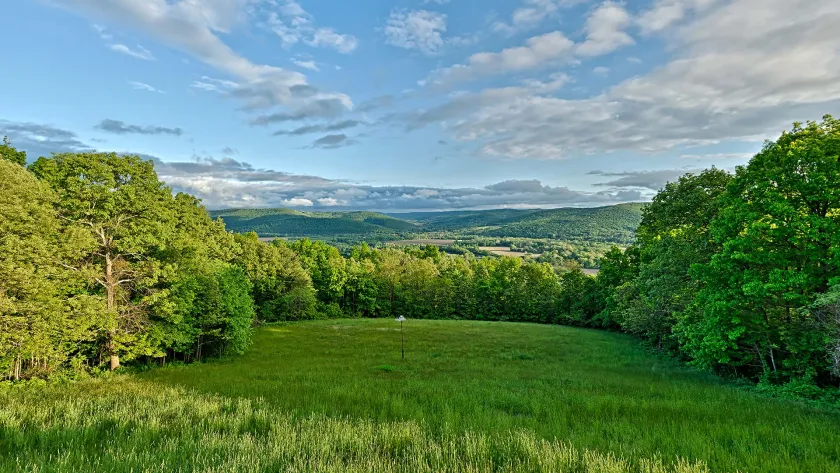
Newtown Battlefield State Park, Elmira, N.Y.
Brandon HullToday, we have an opportunity to save 33 acres immediately behind the log breastworks constructed by the defending forces. These acres form a conspicuous gap — a “doughnut hole” — in the midst of land that has already been protected.
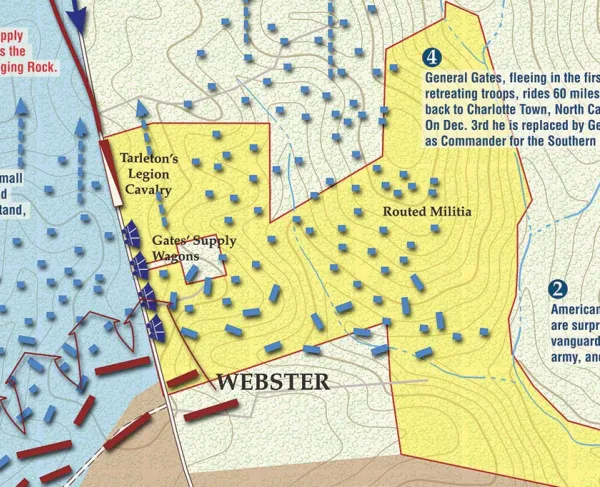
Camden, South Carolina — 228 Acres
On August 16, 1780, the Continental Army under General Horatio Gates suffered a devastating defeat against British troops commanded by Lord Charles Cornwallis. Despite the determined stand of experienced Continental soldiers, the battle became one of the Continental Army's most significant setbacks in the South.
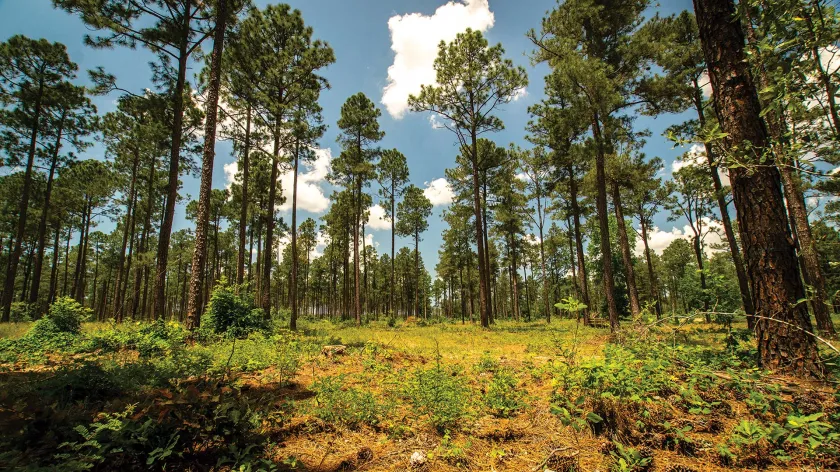
Long-leaf pines tower over the Camden Battlefield, S.C.
Brian Keeley PhotographyToday, Camden is an important battlefield preservation success story. Protecting another 228 acres would bring the total preserved landscape to nearly 1,000 acres, safeguarding more of the ground where this pivotal battle unfolded.
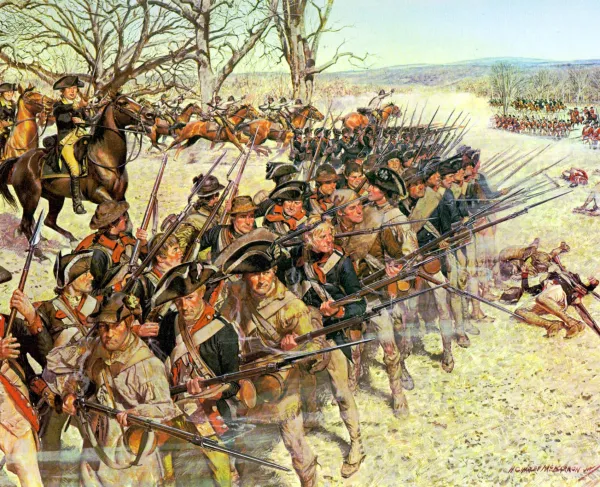
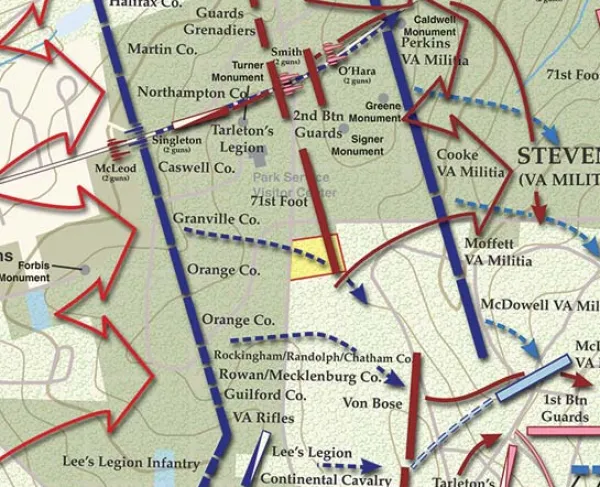
Guilford Courthouse, North Carolina — 1 Acre
On March 15, 1781, Continental forces under General Nathanael Greene confronted Cornwallis's army at Guilford Courthouse. Although the British held the field, their victory came at a staggering cost, with Cornwallis losing roughly a quarter of his army.
Guilford Courthouse National Military Park, N.C.
Melissa A. WinnThe battle helped weaken British forces ahead of their eventual surrender at Yorktown seven months later. Today, even one additional acre can help preserve the story of this turning point in America's struggle for independence.
Together, these four battlefields reveal the complexity, sacrifice, and lasting consequences of the Revolutionary War — a history that deserves to be protected and understood.
What's at Stake Today: Once This History Is Lost, It's Gone Forever
Nearly 250 years after the Revolution, the battle to save its historic landscapes continues.
Development threatens to erase the very places where America's history unfolded. At Newtown, land within an otherwise protected battlefield landscape is at risk of residential development. At Camden, rapid growth is making the remaining historic acreage increasingly difficult to preserve.
Once these landscapes are paved over or developed, their historical and archaeological value may be lost forever.
The American Battlefield Trust has already helped preserve 1,965 acres of Revolutionary War battlefield land. Saving these additional 326 acres would bring that total to nearly 2,300 acres — an increase of more than 10%.
But we must act while these opportunities remain within reach.
In honor of America's 250th anniversary, please help us raise the remaining $62,574 needed to protect these 326 irreplaceable acres.
With your gift matched $74-to-$1, you can make an extraordinary impact on the preservation of our shared history.
Four battlefields. Four states. One nation. One legacy. Help save it today.