Harriet Jacobs Escapes and Opposes Slavery
North Carolina
108 N. Broad St
Edenton, NC 27932
United States
This heritage site is a part of the American Battlefield Trust's Road to Freedom: North Tour Guide app, which showcases sites integral to the Black experience during the Civil War era. Download the FREE app now.
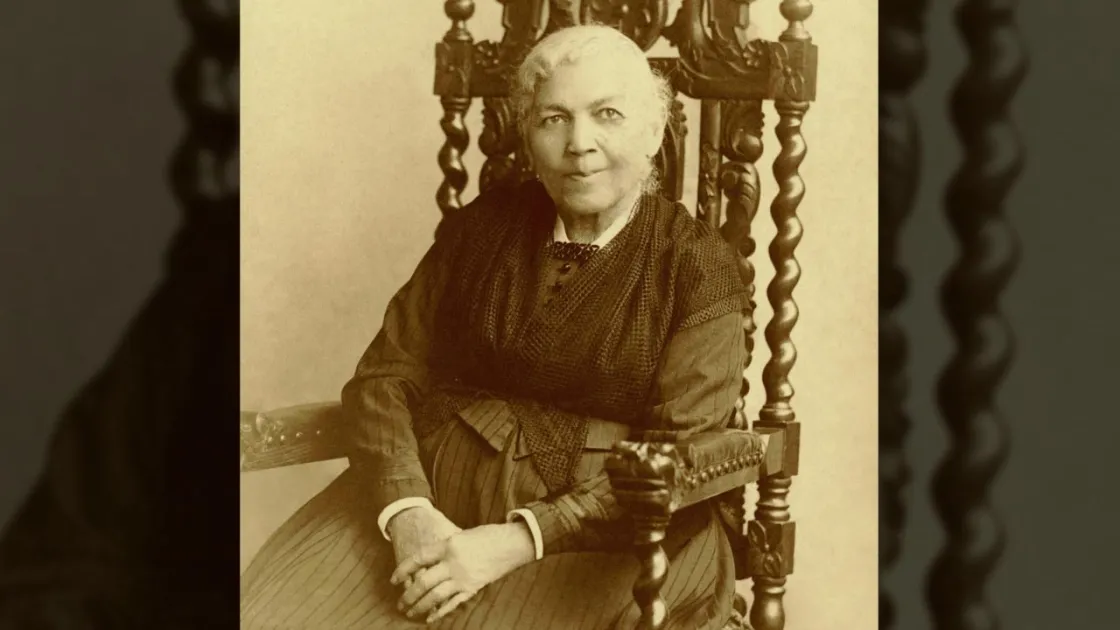
Harriet Jacobs in 1894
Wikimedia CommonsEdenton, North Carolina, is the birthplace of Harriet Jacobs, a courageous woman who escaped slavery and went on to write the first published slave narrative by a woman. A historical marker in Edenton honors Jacobs, standing just blocks from the site where she made her daring escape.
Born in 1813, Jacobs was just six years old when she first realized she was not free. Her enslaver, Margaret Horniblow, taught Jacobs to read and sew. When Horniblow died in 1825, her three-year-old niece, Mary Matilda Norcom, inherited 11-year-old Jacobs. For the next ten years, Norcom’s father, Dr. James Norcom, threatened and sexually abused Jacobs. In an effort to escape Dr. Norcom’s abuse, Jacobs sought refuge with another white man, who fathered her two children. Finally, in 1835, she managed to escape. She found shelter in her grandmother’s home, just a block from Norcom's. For seven years, Jacobs hid in a cramped crawl space, living in constant fear of discovery. In 1842, she fled north to Philadelphia, and she later reunited with her brother and children in New York.
Jacobs’ daring exploits continued as the Norcoms relentlessly searched for her. She briefly worked at an antislavery bookstore in Rochester, New York. She also served as nursemaid to author Nathaniel Parker Willis and his wife Cornelia. Cornelia became a close friend to Jacobs and encouraged her to write a memoir. In 1852, Willis gifted Jacobs her freedom.
In 1860, Jacobs penned her "Letter from a Fugitive Slave" series for the New York Tribune. A year later, she published Incidents in the Life of a Slave Girl under the pseudonym Linda Brent. Both works exposed the unique hardships of women under slavery. “It has been painful to me,” she wrote “to recall the dreary years I passed in bondage. I would gladly forget them if I could.”
During the Civil War, Jacobs actively participated in relief efforts, assisting formerly enslaved refugees. She and her daughter also founded the Jacobs Free School in Alexandria, Virginia. Jacobs died in Washington, D.C., in 1897.
Know Before You Go
Plan your visit with resources found online: Historic Edenton State Historic Site Visitor Center. You can also read Harriet Jacob’s autobiography here.
Explore the Road the Freedom
Road to Freedom: NC Tour Guide