Making the Ancestry Connection
Explore your family history and bring the past to life.
With old, handwritten documents, long-blurred lines between fact and fiction and websites asking for money, ancestor research can seem like a daunting task. While it might take time and perseverance, finding out more about your history can be rewarding and help build connections to cities, states and sites that you may never have visited otherwise. Here are some basic steps to get you started on the road to ancestor research.
- Secure what information is already known. Does a relative have a family tree? Are there any family stories or legends that might point you in the right direction?
- If you cannot find a specific name, start with a grandparent’s name — or name from an existing family tree — and work back from there, generation by generation.
Obituaries
- Sometimes available online, they often include parents' names, as well as identifying information like birthdates or locations.
Census Records
- Include parents' and siblings' names, plus helpful cues such as hometowns, occupations, physical appearances, or spousal information which can be used as touchstones.
- Census records are available through the National Archives and Records Administration, with additional resources on how to interpret census forms and information on districts, housing trends and the evolution of the census process.
- Search census records on Ancestry.com. A paid service, Ancestry provides hints and aids in genealogy research across the globe, as well as offering DNA testing kits.
- Libraries across the country have free Ancestry resources available on site. These Ancestry Library Editions have limited resources but are a great place to research databases for free.
- Include parents' and siblings' names, plus helpful cues such as hometowns, occupations, physical appearances, or spousal information which can be used as touchstones.
Continue Working Backwards
- To find military ancestors, look for men who would have been of military age during America’s wars:
- American Revolution: ages 15-45 between the years 1765-1789
- War of 1812: ages 15-45 between the years 1812-1815
- Many leaders in the War of 1812 had been soldiers in the American Revolution or related to those who served.
- Civil War: ages 15-45 between the years 1861-1865
- To find military ancestors, look for men who would have been of military age during America’s wars:
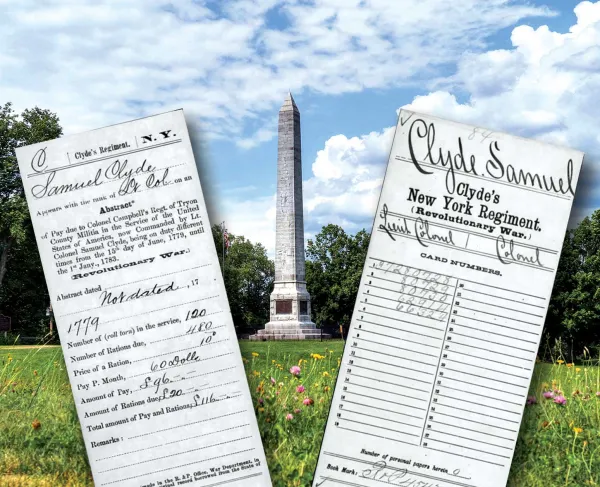
- Once you have identified a potential military ancestor, look for records of service. This information can be found in muster rolls, hospital records, enlistment papers, lineage group applications and more.
- Uncover the basic record of name, side, company, unit. These are general resources that can help in this process:
- Ancestry and Fold3: Paid service with digitized records ranging from muster rolls to ship manifests.
- National Archive Catalog: A searchable database of public records, including some pension applications and enlistment papers.
- National Archive Military Records Landing Page: Provides resources broken down by branch and conflict.
- Tips for finding women in military records by Fold3.
Revolutionary War Resources
- National Society Daughters of the American Revolution’s Genealogical Resource System includes ancestors with descendants already involved with DAR, sometimes with digitized records available.
- DAR’s Forgotten Patriots initiative works to identify African Americans, Native Americans and individuals of mixed heritage who supported the struggle for independence during the American Revolution.
- National Society of the Sons of the American Revolution’s Patriot Research System includes ancestors with descendants involved with SAR and includes information about gravesites.
War of 1812 Resources
- Ancestry and Fold3 are the easiest ways to search for ancestors in the War of 1812, having digitized records from the National Archives and Records Administration. Records are also available for viewing in person at the National Archives.
- For officers, the U.S. Navy’s Naval History and Heritage Command has lists of names and ranks.
Civil War Resources
- Use the National Park Service’s free Civil War Soldiers and Sailors System and enter your ancestor’s information.
- Look up by name or browse by battle at Reveille for free.
You might get more than one similar match from a database. Be sure to use the information from census records to narrow the field based on age, place of residence and any other defining criteria that apply.
- Learn about the unit in which your ancestor served. Often, soldiers enlisted with regiments based in his or her hometown or state.
- The records of service, especially enlistment information, can help you nail down where they were and when, potentially accounting for absences or sickness.
- Put them on the map by looking up the unit name and number to identify which battles they were present for. The American Battlefield Trust has information and maps for many battles, with troop movement noted by unit. With this, you might be able to tell the very acres on which your ancestor fought!
- To help narrow down the list, you may want to try searching “orders of battle” for specific engagements to see if their regiment (or, sometimes, brigade) is listed.
- Discovering your family’s past can help foster a deep connection with historical events that would otherwise seem distant and impersonal. Armed with basic information, you can now find more books to learn more about your ancestor’s wartime role, visit battlefields and other historic sites to walk in their footsteps — and share what you learn with friends and family!
Follow as a marine and officer trace their ancestors' footsteps at New Market Heights:
Explore Trust Resources
Check Out These Ancestor Histories from Hallowed Ground
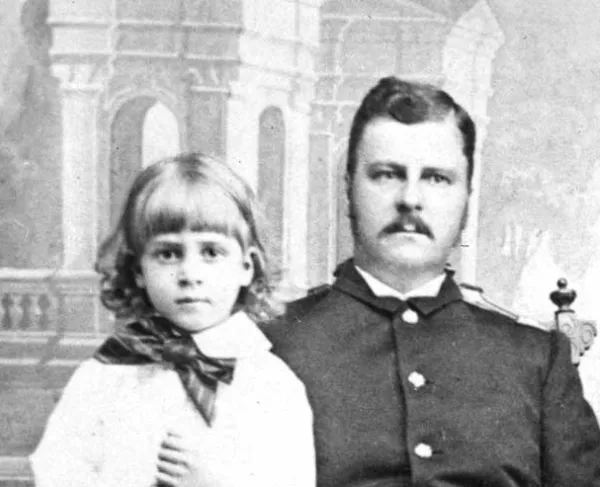
The Fighting MacArthurs
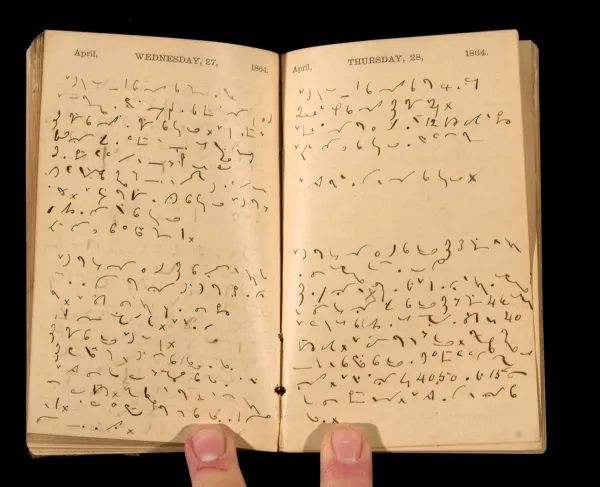
“This War is Turning”