Joseph Greer
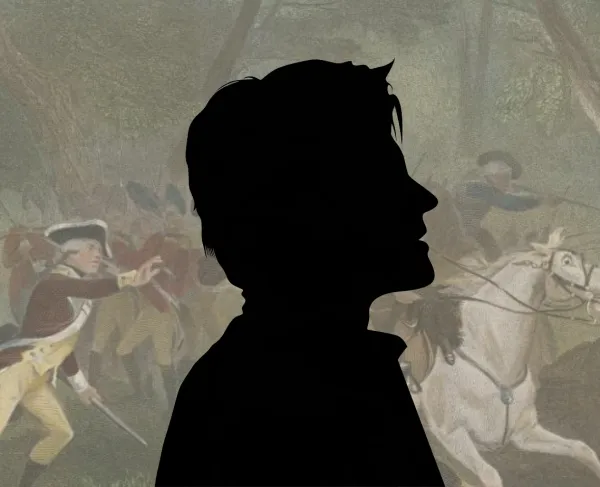
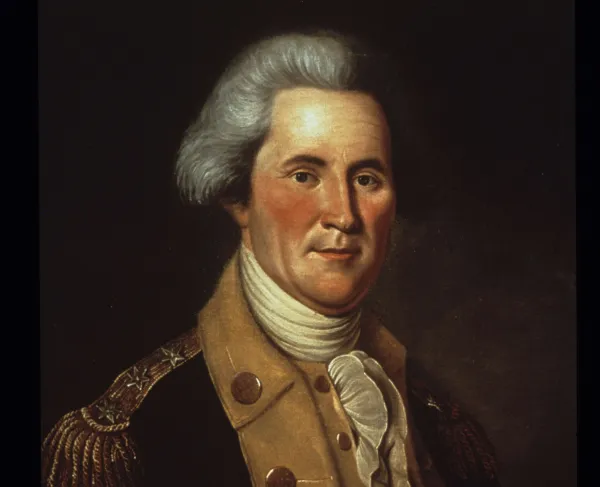
Joseph Greer was born in Philadelphia to Irish immigrant parents in 1754. The family relocated from Philadelphia to Staunton, Virginia shortly after Joseph’s birth. His father, Andrew Greer, was one of the earliest settlers in the Watauga region in modern east Tennessee. Joseph Greer joined his father there in the 1770s, and through work as a surveyor and trader he acquired extensive knowledge of Native American languages, customs, and the geography of the frontier. He was a man of considerable height, standing several inches above six feet.
Andrew and Joseph Greer were both among the defenders of Fort Watauga in July 1776 when the Cherokee attacked. Both of their signatures, as well as those of several of Joseph’s brothers, appear on the petition which the Watauga settlers sent to the North Carolina state government requesting their incorporation into the state.
Joseph Greer was among the Overmountain Men who marched to Kings Mountain and defeated Major Patrick Ferguson’s Loyalist militia. After the battle, John Sevier chose Joseph to carry news of the victory to the Continental Congress in Philadelphia. Sevier was friends with his father, which was likely how he knew of Joseph’s skills and knowledge.
Joseph Greer traveled over 600 miles from South Carolina to Pennsylvania, with a compass and his knowledge of the roads and Native American trails to guide him. He left no account of his journey, and subsequent accounts often embellished or added details for added dramatic effect. He arrived in Philadelphia on November 7, thirty days after the battle. News of the Patriot victory at Kings Mountain was a relief to the Congress after a string of Patriot defeats in the southern colonies.
After the war, Joseph Greer was awarded land grants in what is now Lincoln County, Tennessee. However, he remained in Knoxville where he operated a store and served as a county clerk, until 1804. He moved his family onto the lands he had been granted along Cane Creek, and lived there until his death in 1831.
One of the homes that Joseph Greer built on his land survives to the present day. In 2018, the Joseph Greer Chapter of the Sons of the American Revolution concluded an agreement with the property owners to move the remains of the building to the nearby Camp Blount Historic Site, where it can be restored and reconstructed.
Further Reading
- Philip Thomas Tucker, Kings Mountain: America's Most Forgotten Battle That Changed the Course of the American Revolution (Skyhorse, 2026)


Related Battles
90
1,018