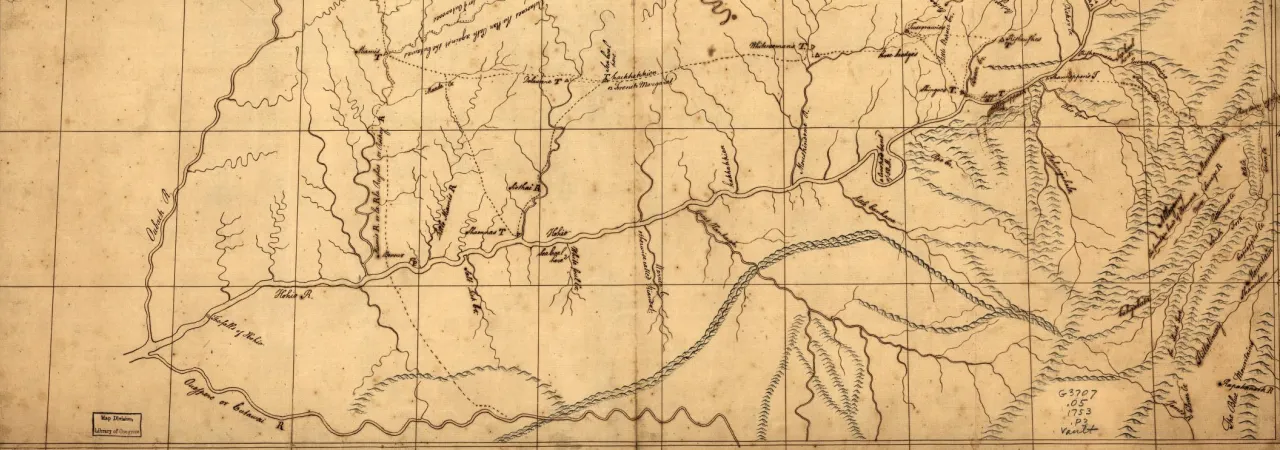
Miami County, Ohio | Jun 21, 1752
By the early 1750s, George Croghan, a flamboyant Irishman from Pennsylvania, managed a growing trading post at Pickawillany, a Miami settlement in present-day western Ohio. Croghan’s venture not only offered goods at much better prices than his French rivals but existed on land traditionally claimed by the French. As Indians living deep in New France responded to invitations from Chief Memeskia, Pickawillany’s leader, to visit Croghan’s emporium, the French, according to historian Fred Anderson, “could hardly afford to be indifferent to such avid poaching on what had been their exclusive commerce ... since trade goods and gifts held their alliance together.”
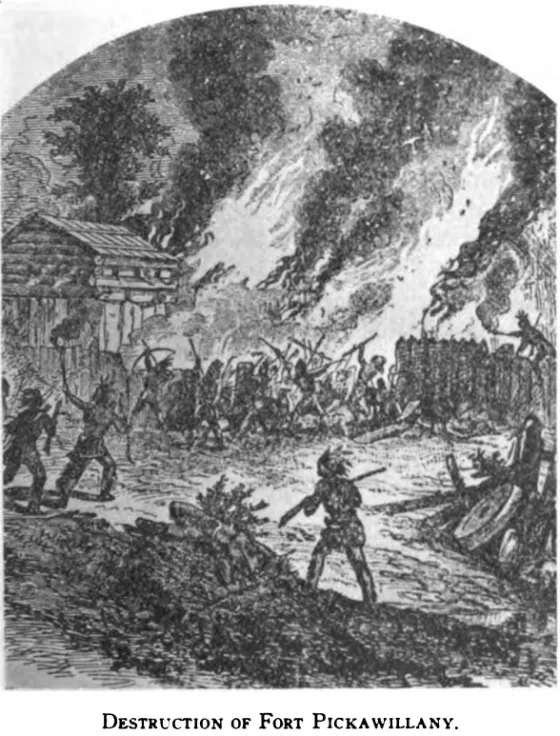
When warnings to American colonists about trespassing in the Ohio River Valley fell on deaf ears, Charles-Michel Mouet de Langlade, a French-Odawa officer, led a French/Native American raiding party that attacked Pickawillany. After several hours of fighting (despite the fact that most of the village’s men were away hunting), the Miami surrendered. Langlade spared the captives (the women and about twenty defenders), except for Chief Memeskia and one unfortunate trader. Langlade’s followers destroyed Pickawillany and returned to Detroit with five other British traders and “a vast quantity of booty.” According to Anderson, Langlade’s “bold stroke” drove the English traders from the Ohio Country, led the Miami to quietly return “to the protection of their French father,” and is considered the opening action of the French and Indian War.
Related Battles
240
20