
Fort Niagara (1759)
Youngstown, NY | Jul 2 - 26, 1759
Having captured the French strongholds at Louisburg, Duquesne, and Frontenac in 1758, the British turned their sights on Fort Niagara, a major French military and supply depot on Lake Ontario. Anticipating the British strategy, the French reinforced Niagara’s garrison with 2,500 men in early 1759.
Fort Niagara would not be easy to subdue. Its commander, Captain Pierre Pouchot, was considered one of “the most capable regular officers in America.” An experienced military engineer, the forty-seven-year-old Pouchot had “greatly improved” Niagara’s defenses. However, Pouchot received orders to send most of his men south to Fort Machault for a planned summer campaign into the Ohio Country. By early July, Fort Niagara’s garrison stood at only five hundred men.
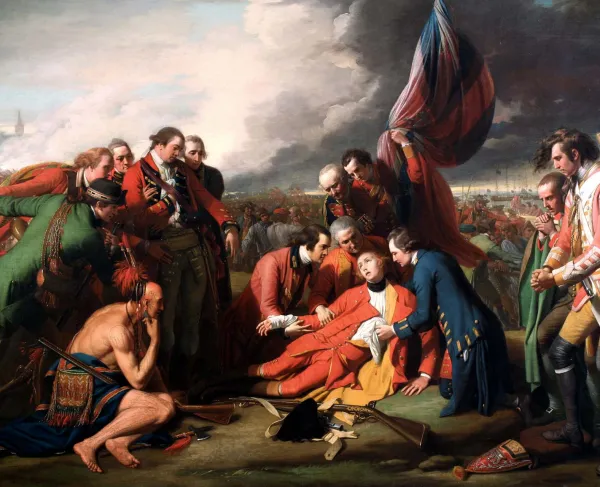
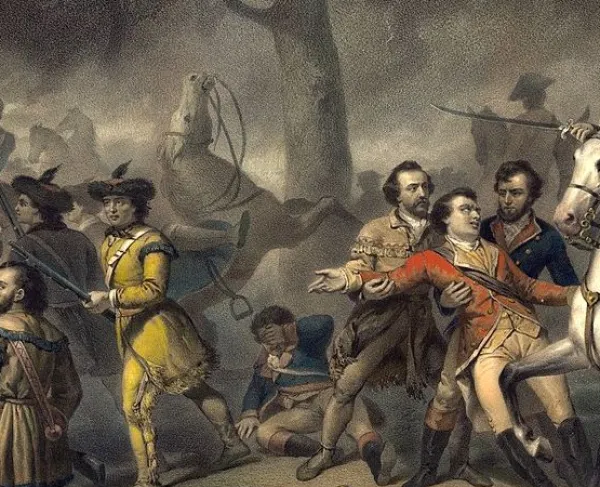
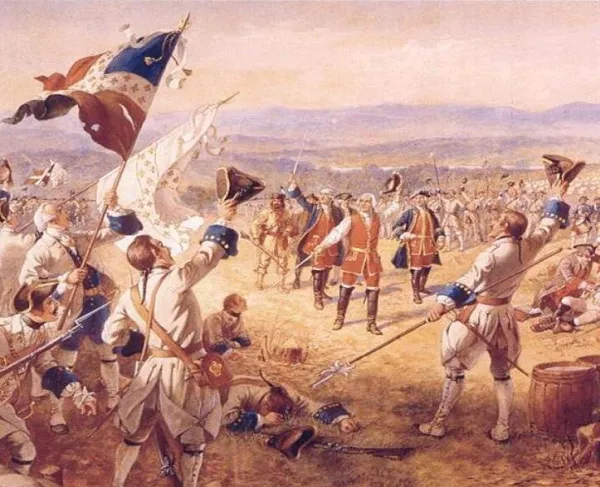
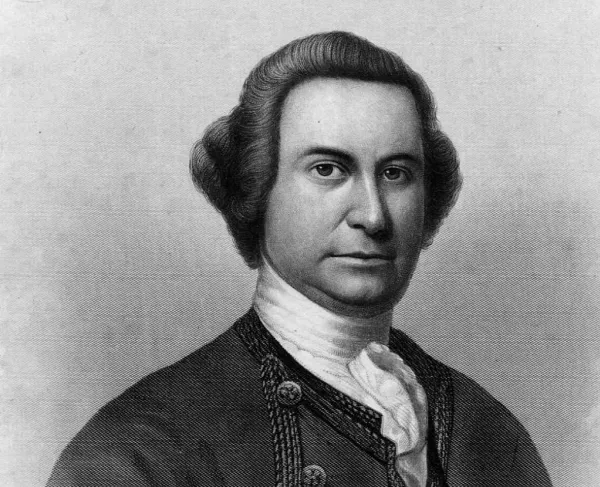
At the same time, a massive British force under the command of Brigadier General John Prideaux reached Fort Niagara and lay siege. Over the course of the next few days, the situation for the Frenchmen went from bad to worse. Pouchot’s Seneca allies withdrew from the fort—choosing not to fight the Iroquois allied with the British. Employing standard siege tactics, British guns, moving slowly forward, continuously shelled the fort. Even the sudden death of General Prideaux, who was decapitated after accidentally stepping in front of a mortar, did not slow the British momentum. (Sir William Johnson, who held a royal colonel’s commission in his role as commander of the Iroquois auxiliaries, assumed command.) Following the defeat of a French relief force at the Battle of La Belle-Famille, Captain Pouchot surrendered the fort. Niagara’s surrender initiated a chain reaction that saw the French abandon several key western forts. General James Wolfe’s capture of Quebec City at the decisive Battle of the Plains of Abraham in September marked a virtual end to the war’s combat operations in North America.
Fort Niagara (1759): Featured Resources

Related Battles
6,000
520
239
109