Donald MacDonald

Donald MacDonald was born around 1708 or 1709. (Sometimes, his Scottish last name is spelled “Macdonald” in historical documents or writings, but at times it appears he signed his name “McDonald”.)
He joined Loudon’s Highlanders—a regiment formed at Inverness and Perth in August 1745. Lieutenant MacDonald and the other Scots served in the British Army, fighting in the Jacobite Rising (1745-1746) and the Flanders Campaign (1747). Although the Jacobite Rising involved many Scots assisting Charles Edward Stuart to regain the British throne for his father, some Scots in British regiments fought against the uprising and in support of King George II and the House of Hanover ruling England. Loudoun’s Highlander’s mustered out in 1748, but in 1755 McDonald enlisted in the Corps of Marines and promoted to captain. He served in Europe during the Seven Years War (1756-1763). After the end of that conflict, MacDonald sailed to the North American Colonies, intending to settle and start a new life.
When hostilities broke out in America in April 1775, MacDonald sided with the British in Boston and fought and was wounded at the Battle of Bunker Hill. British General Thomas Gage appointed MacDonald to serve as a major in the 1st Battalion of the Royal Highland Emigrants. This unit was authorized to recruit Loyalists in June 1775, and MacDonald journeyed to North Carolina, specifically to enlist Scottish settlers. He convinced the local Committee of Safety that he only arrived in the south to recover from injuries he had received during the Battle of Bunker Hill. Arriving in North Carolina, Royal Governor Josiah Martin appointed MacDonald to lead all the Loyalist troops in that colony and gave him the rank of brigadier general of militia.
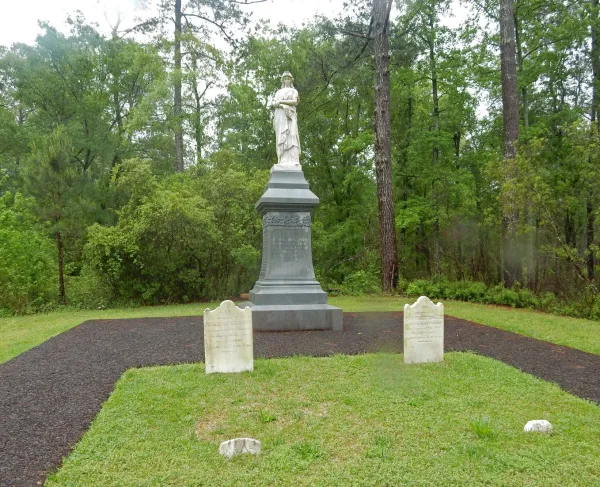
By the beginning of 1776, MacDonald had a Loyalist army of about 1,400 men and planned to march toward the North Carolina coast to meet with expected British ships and troops to take part in Governor Martin’s attempt to retake the state. However, the Battle of Moores Creek Bridge on February 27, 1776, altered those plans. MacDonald was ill and was not present at the battle itself, but the fight along the creek resulted in the defeat and disbanding of most of the Highlanders and Loyalists. However, MacDonald was captured and offered his sword to Colonel James Moore. The Patriots moved MacDonald and other captured Loyalist officers to different locations—New Bern and Halifax Jail in North Carolina, then to Philadelphia, Pennsylvania. In the autumn of 1776 along with General Richard Prescott, MacDonald was exchanged for American generals John Sullivan and Lord Stirling William Alexander.
Returning to the British Army in New York, MacDonald returned to his rank of major in the Royal Highland Emigrants again. (His brigadier general rank had been for North Carolina militia, and his resumption of the rank of major was not a reflection on his experiences in the south.) Still suffering from ill health, MacDonald stayed in New York, rather than joining his unit in Canada. He was recognized as a brevet lieutenant colonel in August 1777. MacDonald finished his military career, retiring in October 1779 before the end of the American Revolution though he seems to have remained in North American through the conclusion of the conflict.
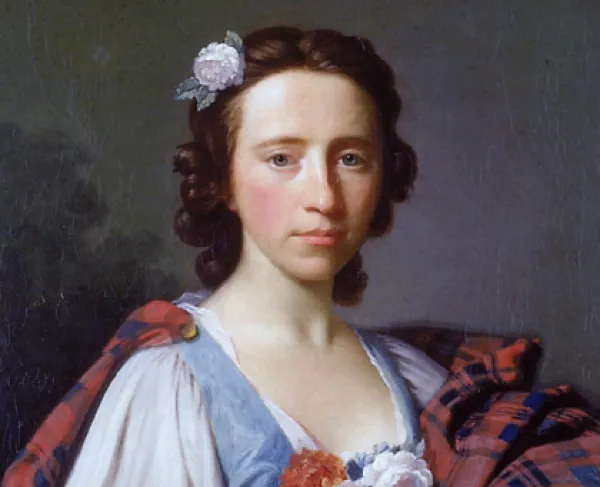
By 1784, MacDonald resided in London. A small portrait set of Donald MacDonald and his wife, Jane Aitkin MacDonald, was painted in 1786. He died sometime after 1786, and at this time, his burial place is not known.

Related Battles
2
50