Bath National Cemetery, New York
San Juan Avenue
Bath, NY 14810
United States
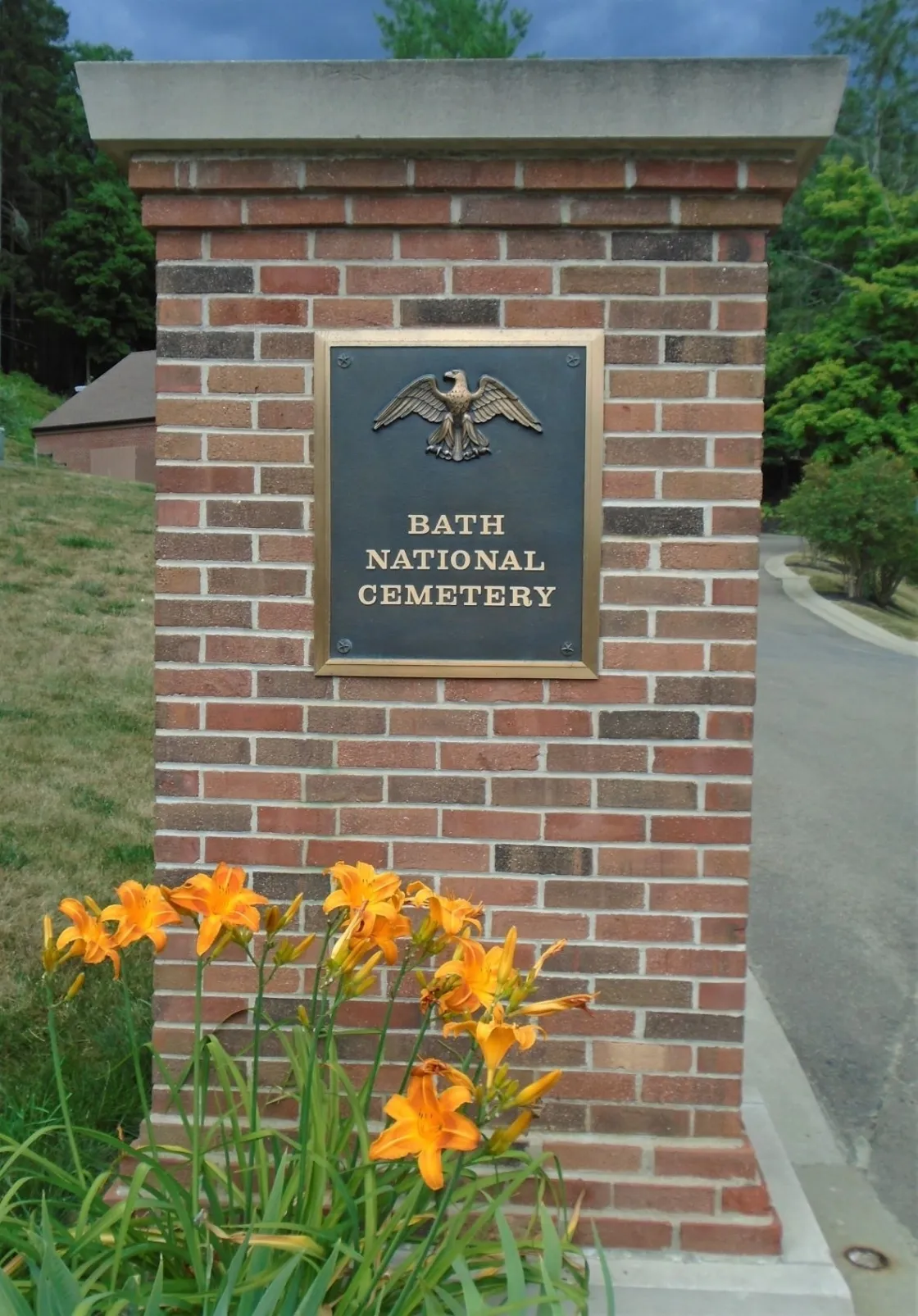
Bath National Cemetery, New York Entrance Sign
Historical Marker DatabaseBath National Cemetery was originally part of the New York State Soldiers and Sailors Home, established in 1877; the cemetery was dedicated on December 25, 1879. In 1930, the Soldiers and Sailors Home and cemetery became part of the Veterans Administration Medical Center. In 1973, the Bath became part of the National Cemetery System. Bath is the final resting place of the "first and oldest" U.S. MIAs (Missing in Action). On October 26, 1987, an archeologist discovered a skeleton during the construction of a house in Fort Erie, Canada. Scientists and military historians were subsequently sent to investigate the site, and they discovered 28 remains. The bones were initially believed to be remains of the area's indigenous population. The discovery of buttons, however, led authorities to believe that the men buried at the site were British soldiers.
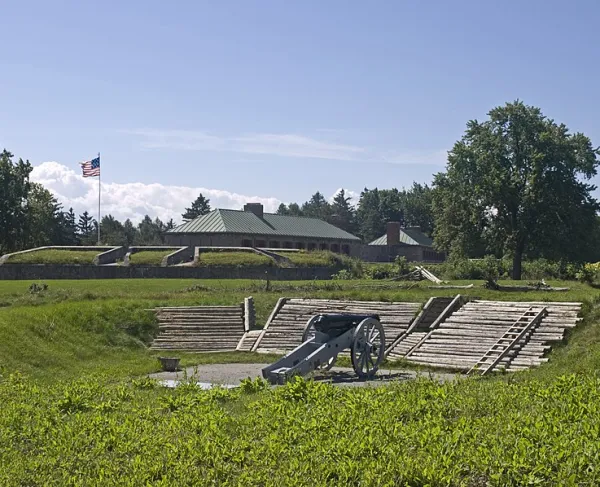
The 28 soldiers had been interred in a traditional manner, lying east-west with hands crossed; this indicates that they had been buried during a lull in the fighting by fellow soldiers rather than the enemy. Further investigation indicated that the men had fought during the War of 1812 in the Niagara Campaign (1814), with clashes at Chippawa and Lundy's Lane before they died at Snake Hill, a battery overlooking Fort Erie. The Department of the Army, working with Canadian officials, held a repatriation ceremony at Fort Erie, Canada, on June 30, 1988, and the soldiers were reinterred with full military honors.
Timothy Lockwood Jr., a drummer in the Revolutionary War is buried at Bath Cemetery. Learn more about the role of music in the daily lives of soldiers here. Read a firsthand account of the Niagara Campaign here.
Bath National Cemetery, New York: What's Nearby
Related Battles
1,075
1,553