Pell's Point
Pelham
New York | Oct 18, 1776
The Battle of Pell’s Point stands as one in a series of engagements in the New York campaign between August and October of 1776. British forces defeated the Patriots in consecutive battles in Brooklyn and Manhattan. Yet, the Continental Army avoided being completely destroyed by timing their retreats and taking advantage of the British reluctance to advance.
How it Ended
British Victory. Although a British victory, the tactics employed by the Patriots at the Battle of Pell’s Point successfully delayed the British invasion, inflicted heavy losses on the British, and bought Washington time.
In Context
In October 1776, General George Washington was reassessing where his bloodied army could make a stand. In August, his men were defeated in the Battle of Long Island, suffering major losses. A large portion of his army was almost destroyed at Brooklyn before they were successfully ferried across the East River onto Manhattan Island. In September his men were routed at the Battle of Kip’s Bay, and he was able to stave off disaster at the Battle of Harlem Heights. The British took possession of New York City and looked to attack Washington again.
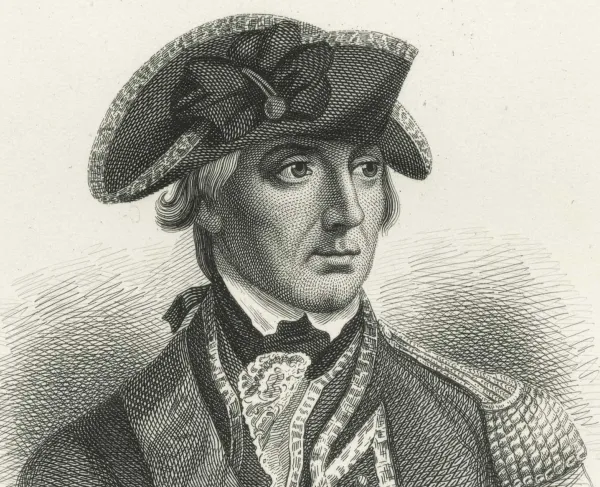
In the early morning hours of October 12, 1776, eighty barges transporting British troops emerged from a dense fog hovering above the waters of Long Island Sound. As the barges landed, a frigate offshore rained down canon fire on Manhattan’s Throg’s Neck peninsula. British General William Howe had launched his amphibious attack on New York. Howe hoped to surround and trap the main portion of the Continental army and its commander-in-chief, George Washington, on the island. Only twenty-five Patriot soldiers under Pennsylvania Colonel Edward Hand stood ready to meet Howe’s force of 4,000 troops, mostly Hessians, as they disembarked at Throg’s Neck.
Hand’s men moved quickly, burning the bridge over the peninsula’s small creek and positioning themselves behind a woodpile. From this vantage point, American riflemen picked off Redcoats funneling into a bottleneck and successfully held off a vast army until reinforcements arrived. Howe ultimately ordered a retreat instead of continuing to attack. The British camped on the island for three nights, affording Washington extra time to reform and prepare.
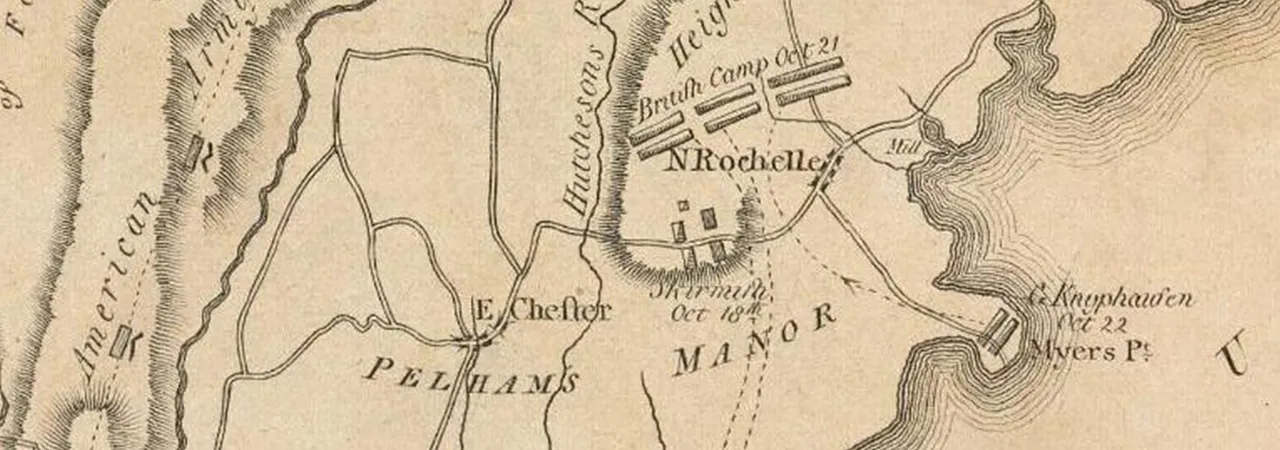
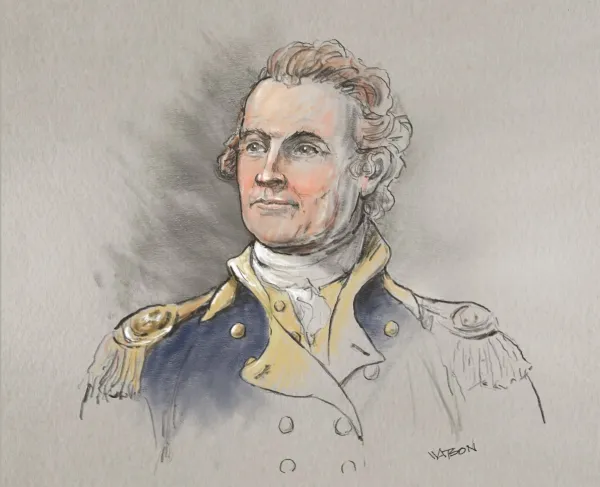
On October 18, 1776, Howe’s 4,000 men landed at Pell’s Point and began advancing on the road inland. Stationed in the area was Colonel John Glover and his brigade consisting of four Massachusetts Continental regiments, including his regiment of Marblehead fishermen who had helped evacuate Washington’s army across the East River in August. His brigade numbered about 750 men. Glover dispatched 40 men to engage the British vanguard as he prepared an ambush on the road towards New Rochelle. Using stone walls to his advantage, Glover staggered his regiments behind numerous walls along the road.
The American vanguard engaged the head of the British column and the two sides fired into each other. Both sides took casualties. As British reinforcements came up, Glover ordered his vanguard to fall back along the road. This was done in good order, and the British followed the retreating men. Waiting up the road behind a stone wall were some of Glover’s men of the 13th Continental Regiment. They waited patiently until the British were just thirty yards from their position, then rose up and fired a deadly volley of musketry into the stunned British and Hessian troops. The advance British soldiers fell back towards their main body. The British took nearly an hour to reorganize and then all 4,000 men with seven cannon advanced back up the road.
The British renewed the attack on Glover’s men, and after firing into each other for a while, Glover’s men fell back in good order again. The British and Hessian soldiers followed the retreating Americans. As they advanced further up the road, another of Glover’s regiments, the 3rd Continental Regiment, was waiting behind another stone wall. When the British advanced within a few yards, they too rose up and fired into the advancing column. The firing was incredibly fierce at this second position and halted the British for almost an hour as both sides poured deadly fire into each other. Glover noted that his men fired at least seventeen rounds into the advancing enemy. At one point in the fighting here the commander of the 3rd Continental Regiment, Colonel William Shepard was shot through the neck with a musket ball, but he eventually recovered. Glover ordered his men back along the road to a third position where more Massachusetts men from the 26th Continental Regiment laid in wait behind a stone wall. The British advanced to this third position and again were hit with musket fire from the Americans along with some artillery.
Fearing his position may be flanked, Glover did not stay in this position long and ordered his brigade to fall back across the Hutchinson River to rejoin Washington’s main army. Their retreat was covered by the Marbleheaders of the 14th Continental Regiment. An artillery duel between the two armies across the river ended the day’s fighting.
21
244
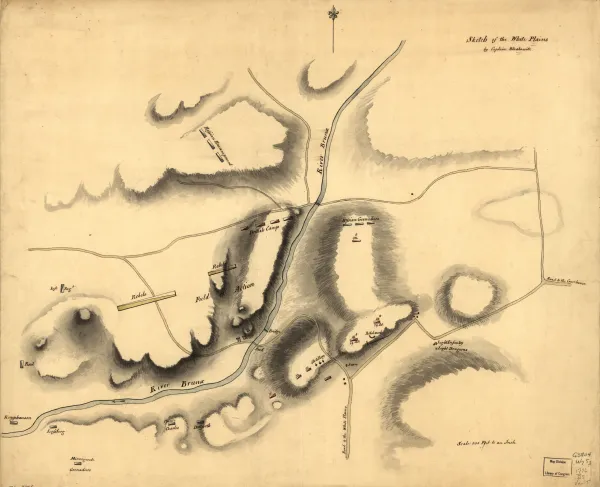
After the engagement, Washington, at the insistence of General Charles Lee, his second in command, moved his force to White Plains, which saved the army from the next wave of the British amphibious assault, but did not prevent them from suffering a loss at the subsequent Battle of White Plains on October 28, 1776.
Pell's Point: Featured Resources


All battles of the New York and New Jersey Campaign
Related Battles
750
4,000
21
244