International Spy Museum
700 L’Enfant Plaza SW
Washington, DC 20024
United States
The idea of a museum focused on espionage and clandestine operations probably first conjures images of fedoras, trenchcoats and other symbols of the Cold War, but the International Spy Museum is much more than a mid-century time capsule. The Washington, D.C., museum is located just a stone’s throw from the National Mall and offers a glimpse into the clandestine aspects of the country’s conflicts.

International Spy Museum at L'Enfant Plaza in Washington, D.C.
Farragutful (CC BY-SA 4.0)The gallery “Spying Launched a Nation” tells the story of intelligence in the Revolutionary War, highlighting how Lieutenant Colonel Thomas Knowlton, the first American intelligence officer, was killed in battle at Harlem Heights, just two months and 12 days after the Declaration of Independence was signed — and six days before the more famous Patriot Spy Nathan Hale, who had been part of Knowlton’s command, was executed. Among the museum’s greatest treasures is a handwritten letter from George Washington to Nathaniel Sackett, concerning the origins of the highly successful Culper Spy Ring in and around New York City.
Another fascinating Revolutionary display is a modern re-creation of the “Turtle,” the first combat submarine, built by inventor David Bushnell (like Hale, also a native of Connecticut) to slip through New York Harbor and attach a mine to a British ship. The mission was scuttled mid-attempt, but the reproduction, undertaken with collaboration from the U.S. Naval Academy, proved that it could have worked.
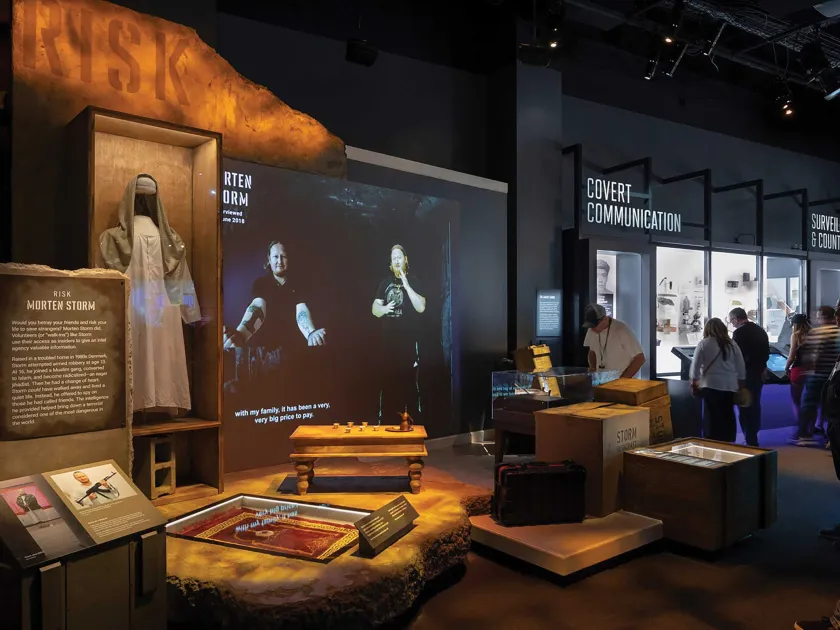
Visitors at the International Spy Museum
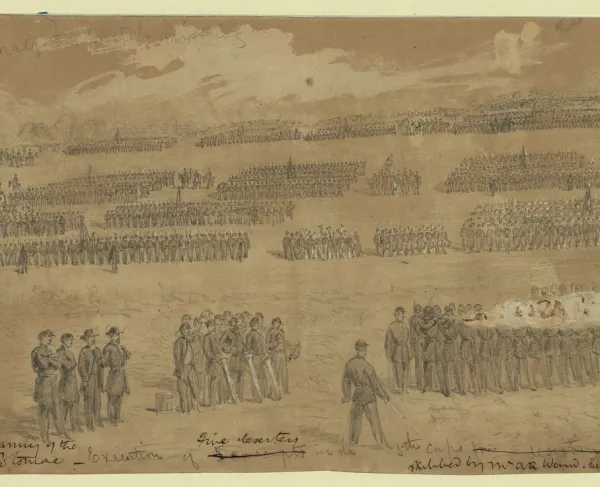
In the exhibit, “Who Could Have Guessed?” Civil War stories come to the fore as you learn about the wartime spy work of abolitionist and civil rights activist Harriet Tubman. More famous for her work as a “conductor”: on the Underground Railroad, leading small groups of enslaved Blacks to freedom in the North, Tubman’s intelligence gathering and leadership helped free more than 750 slaves in a single night in June 1863 during the Combahee River Raid.
Of course, many of the museum’s treasures are tied to 20th and 21st century events. And some would be right at home in a fictional spy thriller – things like guns concealed inside rings, gloves, umbrellas and even lipstick tubes, or a camera hidden inside a pocket watch! The collection inspires wonder at both the profound innovation required to pioneer the tools of this secretive trade and the courage of those who, more than two hundred years later, still have “but one life to give for my country.”
Featured Content

The Culper Ring: Spying for the Revolution
Who Was Peggy Shippen: The "It Girl" Spy